



Cold environments have always posed challenges to human productivity, safety, and comfort. Whether working outdoors in winter, handling frozen goods in cold storage facilities, operating machinery in low-temperature conditions, or enjoying recreational activities in icy climates, hands are often the first part of the body to suffer. Exposure to cold not only causes discomfort but can also significantly reduce dexterity, grip strength, and reaction time. In extreme cases, it can lead to frostbite, nerve damage, and long-term injury.
This is where the cold-proof glove becomes essential. More than just a layer of fabric, a cold-proof glove is a carefully engineered piece of protective equipment designed to maintain warmth, preserve hand function, and provide safety in cold or sub-zero environments. As industries expand into colder regions and global supply chains rely increasingly on refrigerated logistics, the demand for high-performance cold protection has grown rapidly.
At the same time, user expectations have evolved. Modern cold-proof gloves are no longer expected to simply keep hands warm. They must also offer flexibility, durability, grip, moisture control, and sometimes even touchscreen compatibility. Achieving all of this in a single product requires thoughtful material selection, intelligent design, and an understanding of real-world working conditions.
Cold Exposure and Its Impact on Hands
To understand the importance of cold-proof gloves, it is helpful to first understand how cold affects the human hand. Hands are particularly vulnerable to temperature extremes because they have a high surface-area-to-volume ratio and are often exposed during work activities.
When hands are exposed to cold, the body responds by reducing blood flow to the extremities to preserve core temperature. This natural response leads to several immediate effects:
-
Reduced finger sensitivity
-
Decreased grip strength
-
Slower reaction times
-
Stiffness and discomfort
As exposure continues, the risks increase. Prolonged cold exposure can cause numbness, loss of fine motor control, and, in severe cases, frostbite. For workers handling tools, machinery, or materials, these effects can significantly increase the risk of accidents and injuries.
A cold-proof glove is designed to counteract these effects by creating a thermal barrier between the hand and the environment, while still allowing enough mobility and tactile feedback for safe and efficient work.
What Defines a Cold-Proof Glove
The term “cold proof glove” is often used broadly, but not all gloves marketed for cold conditions offer the same level of protection. A truly cold-proof glove combines several key characteristics:
-
Effective thermal insulation
-
Wind resistance
-
Moisture management
-
Durability under low temperatures
-
Functional grip and dexterity
Thermal insulation is the most obvious requirement, but insulation alone is not enough. A glove that traps moisture or restricts movement can become uncomfortable or even dangerous in certain environments. Therefore, cold proof performance depends on a balance of properties rather than a single feature.
Materials Used in Cold-Proof Gloves
Material selection is one of the most important factors in determining glove performance. Modern cold-proof gloves often use a combination of materials, each chosen for a specific function.
Outer Shell Materials
The outer shell of a cold-proof glove acts as the first line of defense against the environment. Common outer shell materials include:
-
Synthetic leather
-
Natural leather
-
Nylon
-
Polyester
-
PVC or rubber coatings
These materials are chosen for their durability, abrasion resistance, and ability to block wind and moisture. In industrial applications, the outer layer must also withstand contact with rough surfaces, tools, and machinery without cracking or stiffening in cold conditions.
Insulation Materials
Insulation is the core element of a cold-proof glove. It traps warm air generated by the body and slows heat loss. Common insulation materials include:
-
Thinsulate or similar synthetic fibers
-
Fleece
-
Cotton batting
-
Foam layers
-
Wool blends
Synthetic insulation is widely used because it maintains insulating properties even when slightly damp and offers consistent performance across a range of temperatures. The thickness and density of insulation determine the level of cold protection, with heavier insulation suitable for extreme cold and lighter insulation better for active work.
Inner Linings
The inner lining of a cold-proof glove directly contacts the skin. Comfort, moisture control, and thermal retention all depend on this layer. Typical lining materials include:
-
Fleece
-
Brushed polyester
-
Knitted cotton
-
Moisture-wicking synthetic fabrics
A well-designed lining helps keep hands dry by absorbing or transporting moisture away from the skin, which is critical for maintaining warmth during extended use.
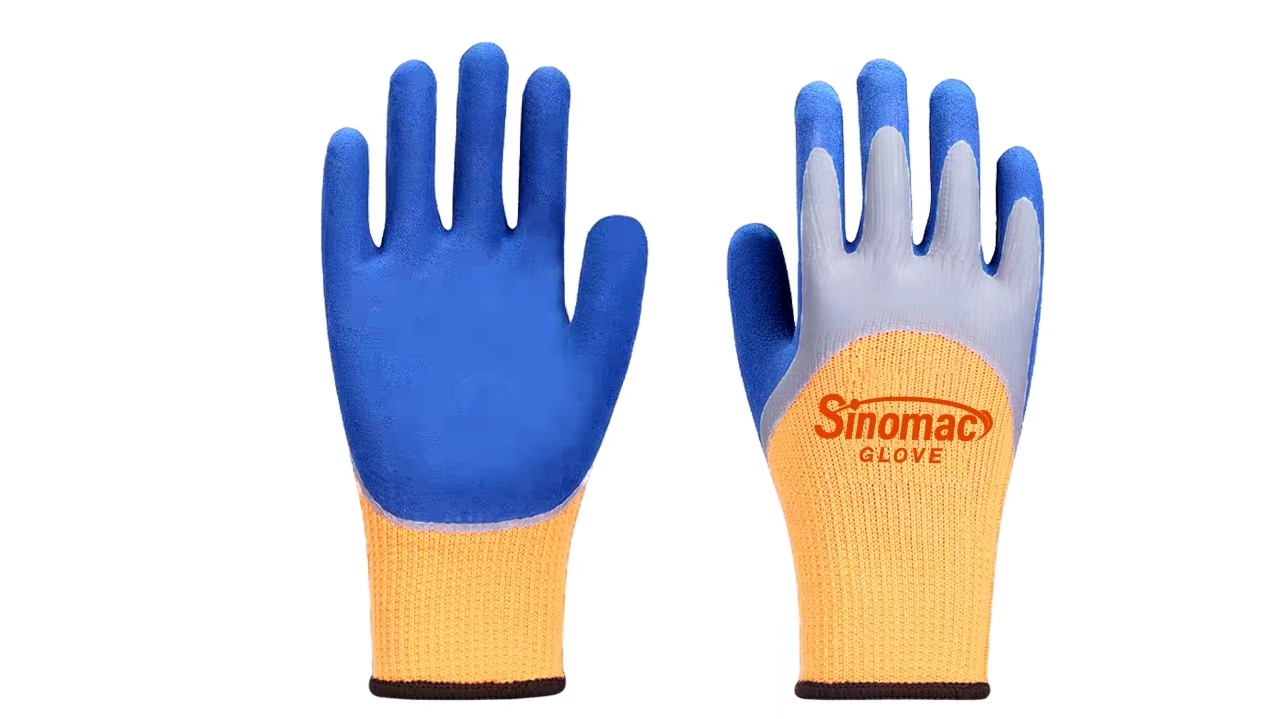
Thermal Insulation and Heat Retention Mechanisms
The effectiveness of a cold-proof glove lies in its ability to retain heat. This is achieved through a combination of insulation thickness, air trapping, and material structure.
Air is a poor conductor of heat, so insulation materials are designed to trap as much still air as possible. Fibrous and lofted materials create tiny air pockets that slow the transfer of heat from the hand to the surrounding environment.
In addition, layered glove construction helps reduce heat loss through conduction and convection. Multiple layers work together to create thermal resistance while maintaining flexibility.
Breathability and Moisture Management
One common misconception is that colder environments require completely airtight gloves. In reality, breathability is crucial for long-term comfort and warmth.
When hands sweat inside a glove, moisture accumulates. Wet skin loses heat much faster than dry skin, which can actually make hands feel colder despite heavy insulation. Therefore, cold-proof gloves must balance insulation with moisture management.
Modern designs use breathable membranes, moisture-wicking linings, and ventilation strategies to reduce internal moisture buildup. This is especially important for workers performing physically demanding tasks in cold environments.
Grip and Dexterity in Cold Conditions
Maintaining grip and dexterity is one of the biggest challenges in cold-weather glove design. Thick insulation can reduce finger mobility and tactile sensitivity, making it difficult to handle tools, fasteners, or equipment.
Cold-proof gloves address this challenge through:
-
Ergonomic shaping
-
Pre-curved fingers
-
Flexible insulation materials
-
Textured or coated palms
These design features allow the glove to follow the natural movement of the hand, reducing fatigue and improving control. In industrial settings, a reliable grip is essential for safety and productivity.
Cold Proof Gloves in Industrial Applications
Cold-proof gloves are widely used across multiple industries where exposure to low temperatures is unavoidable.
Cold Storage and Refrigeration
Workers in cold storage facilities and refrigerated warehouses handle frozen goods for extended periods. Gloves used in these environments must provide consistent insulation while allowing workers to grip packaging, operate machinery, and perform repetitive tasks.
Construction and Outdoor Work
Construction workers often operate in winter conditions, exposed to wind, snow, and cold surfaces. Cold-proof gloves protect hands while still enabling the use of tools, machinery controls, and fasteners.
Logistics and Transportation
In logistics, workers load and unload goods outdoors or in unheated spaces. Cold-proof gloves help maintain hand function during long shifts and reduce the risk of cold-related injuries.
Manufacturing and Industrial Maintenance
Certain manufacturing processes and maintenance tasks take place in cold environments or involve contact with cold materials. Gloves must offer both thermal protection and mechanical resistance.
Cold Proof Gloves for Outdoor and Recreational Use
Beyond industrial applications, cold-proof gloves are essential for outdoor and recreational activities.
Hiking, skiing, snowboarding, fishing, and camping all require gloves that keep hands warm without sacrificing movement. In these activities, comfort and flexibility are just as important as insulation.
Recreational gloves often emphasize lightweight materials, ergonomic design, and enhanced comfort while still providing reliable cold protection.
Durability and Performance in Low Temperatures
Cold temperatures can make many materials brittle, leading to cracking, tearing, or reduced flexibility. A high-quality cold-proof glove is designed to maintain its structural integrity even in sub-zero conditions.
Durability considerations include:
-
Resistance to abrasion and puncture
-
Stable flexibility at low temperatures
-
Strong stitching and seam construction
-
Reliable coatings that do not harden in the cold
These characteristics ensure that the glove remains functional and protective throughout its service life.
Sizing, Fit, and Comfort Considerations
Proper fit is essential for both warmth and functionality. Gloves that are too tight restrict blood circulation, reducing warmth. Gloves that are too loose allow heat to escape and reduce control.
Cold-proof gloves are typically designed with ergonomic sizing that accounts for insulation thickness while preserving natural hand movement. Some designs include adjustable cuffs or closures to improve fit and reduce cold air infiltration.
Safety Standards and Performance Ratings
In professional environments, cold-proof gloves may need to meet specific safety or performance standards. These standards evaluate factors such as thermal insulation, mechanical protection, and durability.
Compliance with recognized standards assures that the glove has been tested under controlled conditions and is suitable for its intended use.
Customization and Branding Options
Many manufacturers offer customization options for cold-proof gloves, particularly for industrial and commercial customers. Custom features may include:
-
Logo printing or embossing
-
Custom colors
-
Packaging options
-
Application-specific design modifications
Customization allows companies to align protective equipment with their brand identity or specific operational requirements.
Maintenance and Care of Cold-Proof Gloves
Proper maintenance extends the life of cold-proof gloves and preserves their performance. General care guidelines include:
-
Drying gloves thoroughly after use
-
Avoiding direct heat sources during drying
-
Cleaning according to manufacturer recommendations
-
Inspecting for wear or damage regularly
Well-maintained gloves provide consistent protection and comfort over time.
Environmental and Sustainability Considerations
As sustainability becomes increasingly important, glove manufacturers are exploring environmentally responsible materials and production processes.
Recycled fibers, eco-friendly coatings, and longer-lasting designs help reduce environmental impact. Choosing durable gloves that do not require frequent replacement also contributes to sustainability goals.
Selecting the Right Cold Proof Glove
Choosing the right cold-proof glove depends on several factors:
-
Temperature range of the environment
-
Duration of exposure
-
Level of physical activity
-
Required dexterity and grip
-
Exposure to moisture or chemicals
There is no single glove that fits every situation. Understanding the specific working conditions is key to selecting the most effective glove.
Future Trends in Cold-Proof Glove Design
Cold-proof glove technology continues to evolve. Advances in materials science are leading to thinner, lighter insulation with higher thermal efficiency. Smart textiles and integrated heating elements are also emerging in specialized applications.
As industries demand higher performance and greater comfort, cold-proof gloves will continue to become more sophisticated, combining protection, ergonomics, and intelligent design.
The cold-proof glove is far more than a simple accessory. It is a critical piece of protective equipment that safeguards hands, maintains productivity, and enhances safety in cold environments.
Through careful material selection, intelligent construction, and application-specific design, modern cold-proof gloves deliver reliable warmth without sacrificing dexterity or durability. From industrial cold storage and construction sites to outdoor recreation and logistics, these gloves play a vital role wherever cold conditions challenge human performance.
Understanding how cold-proof gloves work—and how to choose the right ones—empowers users to work more safely, comfortably, and efficiently in cold environments. As technology advances and application demands grow, cold-proof gloves will remain an indispensable solution for cold weather protection.