




Anti-cut gloves appear to be a straightforward solution to a straightforward problem. First, sharp objects cut the hands, and gloves are used to prevent this. However, once you delve past the surface, anti-gloves that are designed to prevent cuts become the product of decades of scientific research on material science, the evolution of safety philosophy, and the human limitations of fatigue, distraction, and overconfidence. They exist because people are human, not because people are careless.
To understand what anti-manipulative gloves are, you must first understand why they were conceived, how they function at the material level, their successes, their failures, and how they are actually employed in the real world. This isn’t simply a narrative about safety gear. It’s a narrative that describes the modern attempt to balance safety, productivity, and the fragility of the human hand.
Why are they so common?
Hands are the primary means of transportation. They’re involved in every practical endeavor, from industrial, commercial, and domestic tasks. Additionally, they are remarkably flabby. The skin has a limited amount of resistance to sharp objects; beneath it are the tendons, nerves, and blood vessels that are damaged permanently in just a few seconds.
The injuries that persist are not due to a lack of safety awareness, but instead are caused by hazards that are present in the cutting process. Sheetmetal borders, glass panels, blades, boxes, strapping bands, and damaged materials all pose dangers that are often imperceptible until they actually occur. Even experienced workers who follow protocols can be adversely affected by material shifts, tool failures, or distraction.
Cut prevention gloves are available to reduce the effects of these common occurrences. They do not substitute for safety or training processes. They serve as the ultimate layer of defense when other layers have failed.
What “anti-cut” actually means
The word “anti-scratch” is frequently misassimilated. It doesn’t have to be cutproof, and it doesn’t have to be invulnerable. No glove is completely invulnerable to a sharp blade if the blade is sufficiently powerful. What unique attributes do anti-gloves with a cut-resistant effect have?
In practical applications, this implies that the glove can slow down a blade, spread the cutting force across a larger area, and reduce the thickness or severity of the cut. Often, the outcome is the difference between a minor abrasion and a serious laceration that requires stitches or surgery.
The idea of wearing anti-shredded gloves as weapons leads to hazardous optimism. Thinking of them as a seatbelt for the hands is a more accurate mental model. They mitigate the severity of injuries, not the risk of injury itself.
The physics behind cut resistance
The primary goal of cutting resistance is to regulate energy and force. When a blade encounters a glove, several different mechanisms occur simultaneously.
First, the blade’s edge may be misaligned with the surface’s texture or fiber direction, which diminishes the blade’s capacity to consume the material. Second, strong fibers are resistant to being cut, which causes the blade to have to work harder and take more energy. Third, the glove may slightly deform, which will absorb and distribute force instead of having it focus at one point. Ultimately, the blade’s friction with the fibers can slow the cutting process.
Different types of glove materials focus on different mechanisms, which is why a single glove cannot be effective in all situations.
Materials used in anti-cut gloves
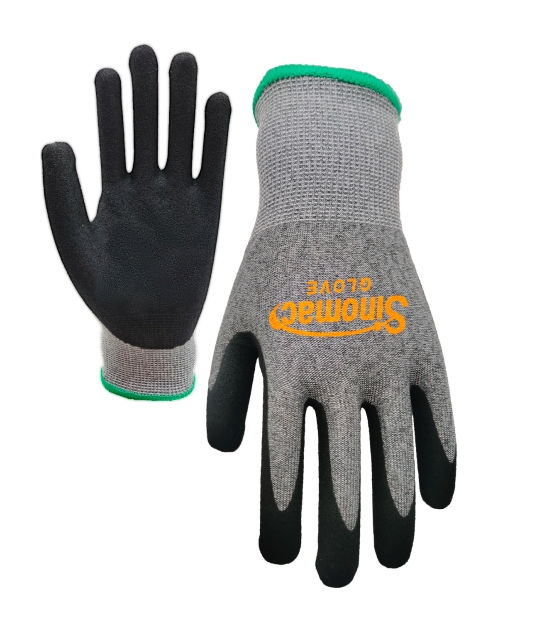
Modern anti-shredded gloves are primarily composed of advanced fibers that were originally intended for use in aerospace, military, and high-end industrial applications. These materials have a high tensile strength combined with a low weight, which makes them ideal for use in hand defense.
Commonly employed fibers include high-performance polyethylene (HPPE), ultra-high-molecular-weight polyethylene (UHMWPE), and aramid fibers like Kevlar. These fibers are often more powerful than steel, but flexible enough to be woven into gloves.
To increase the resistance of the cut blade, manufacturers often add harder components like glass fiber or fine steel wire to the blade. These materials create small microscopic obstacles that impede the blade’s passage; these materials can even dull the blade over time. When inserted into more flexible fibers, they increase the protection without significantly diminishing comfort.
Metal mesh gloves represent another category entirely. They’re made from interconnected steel bands that offer a high degree of cutting resistance; they’re commonly employed in the meat and fish industry. Their downsides include decreased amount of dexterity, a heavier weight, and discomfort associated with long periods of use.
How glove construction affects protection
The choice of material alone is not sufficient to determine performance. The construction of the building is of paramount importance.
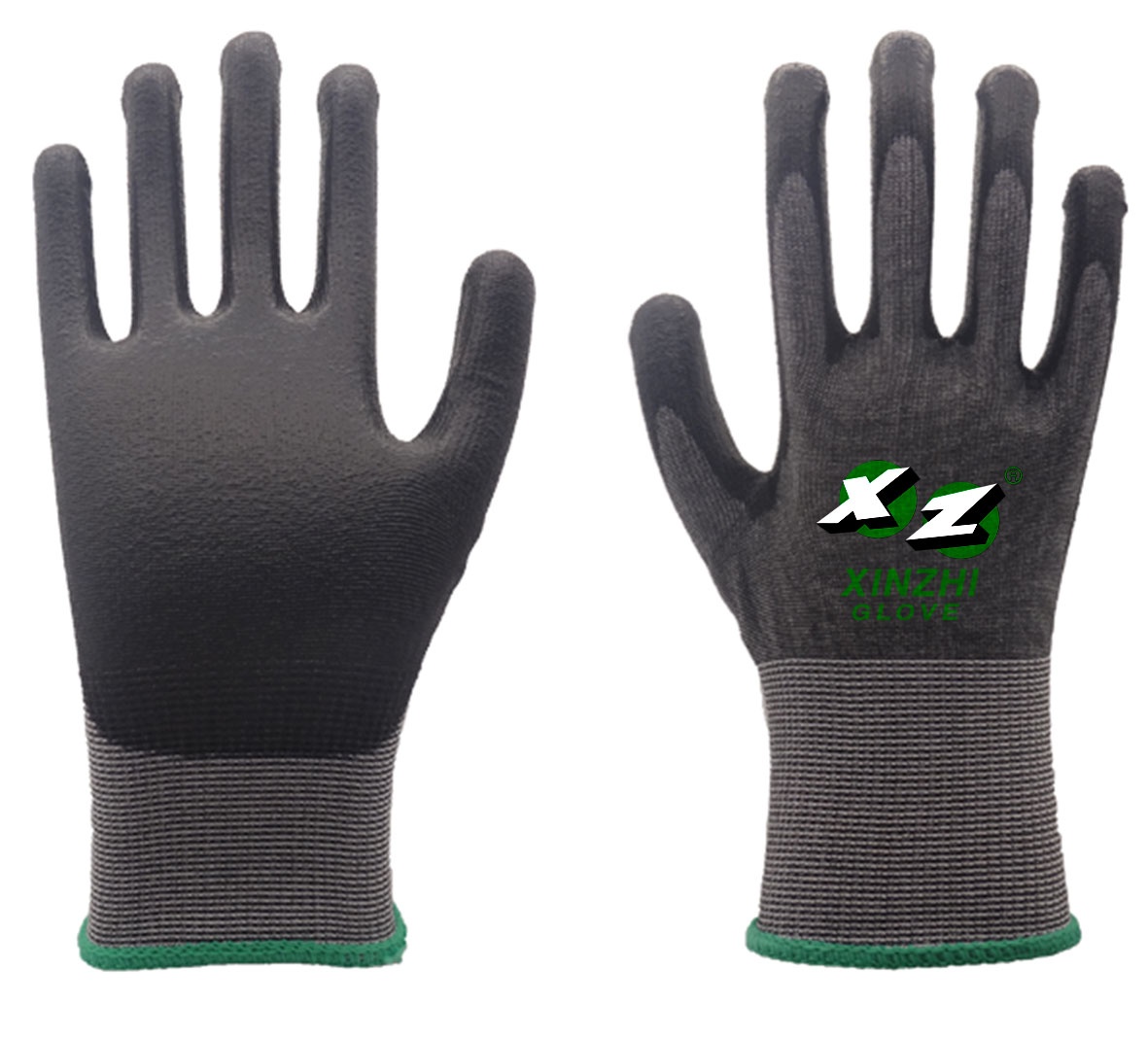
Knitted gloves are the most common form of protection against cuts. The apretness of the knit, called the gauge, affects both dexterity and safety. A higher quality glove has more sensitive felt fibers and is better suited for sensitive areas, while a lower quality glove is more protective and typically used in the winter.
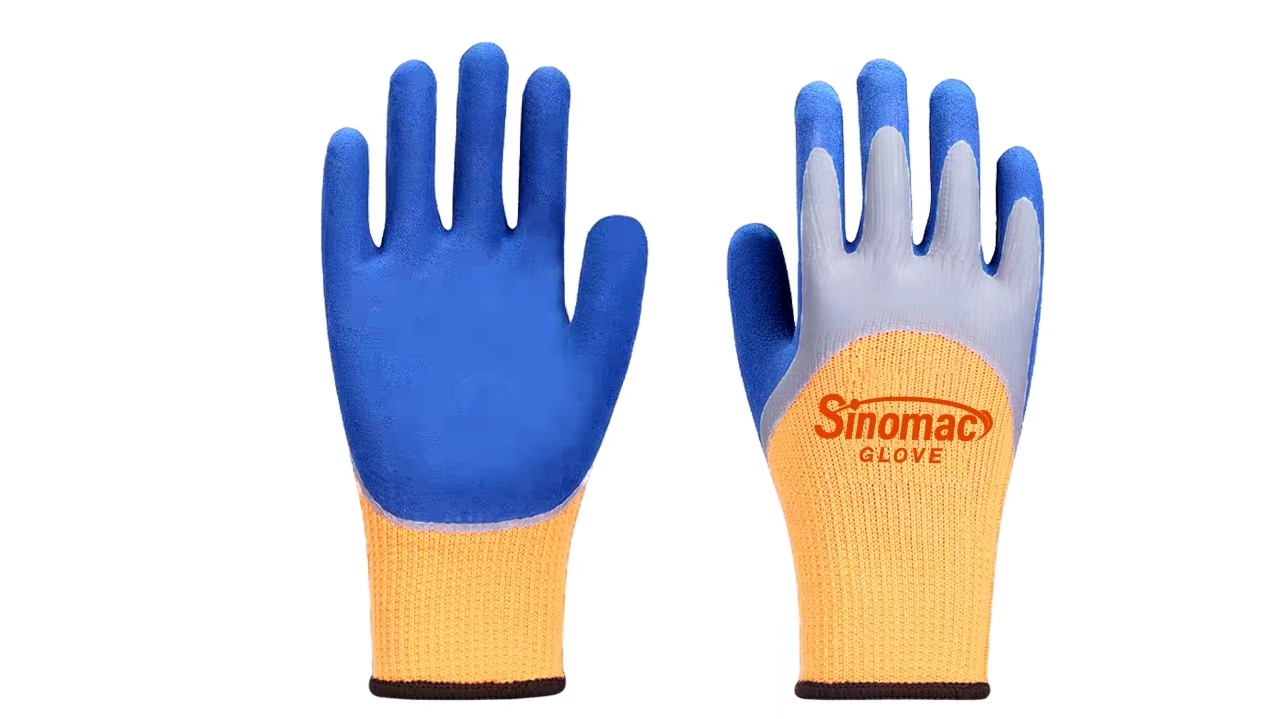
Coatings provide another layer of functionality. Polyurethane coatings enhance the grip and feel of control. Nitrile coatings enhance the resistance of materials to oils and abrasion. Latex coatings provide a strong grip in adverse conditions. These coatings also have the potential to serve as a partial barrier that would impede the blade’s ability to reach the fibers below.
In environments with higher risk, layered glove configurations are employed. Multiple layers of different substances allow each layer to address a specific component of cut resistance, energy expenditure, or comfort.
How cut resistance is measured
Because anti-cut is a relative term, standardized testing is crucial. International standards facilitate the comparison of gloves in a controlled environment.
The most commonly accepted systems are European EN 388 and North American ANSI/ISEA standards. These tests determine the amount of force or cycles needed for a blade to sever the glove’s material.
However, laboratory analyses have flaws. They employ common blades, speeds, and angles; these parameters do not accurately represent the real world. Actual cuts are often caused by twisting, uneven pressure, or blades that are worn or misaligned. The standards should be considered a set of rules, rather than an absolute predictor of success.
Where anti-cut gloves are commonly used
Anti-cut gloves are used across a wide range of industries, each with its own risk profile and performance requirements.
-
Manufacturing and metalworking
Workers handle stamped parts, machined components, and sheet metal with sharp edges. Gloves must offer strong cut resistance while maintaining dexterity for assembly and inspection tasks. -
Construction and glass handling
Tasks involve unpredictable materials and environments. Gloves must balance protection, grip, and durability, often under changing weather conditions. -
Food processing and preparation
Knives are used constantly and repetitively. Gloves must provide cut resistance without compromising hygiene, washability, or tactile control. -
Logistics, warehousing, and recycling
Cardboard edges, strapping bands, broken packaging, and hidden sharp objects create frequent low-to-moderate cut risks that add up over time.
These environments demonstrate why no single glove design works everywhere.
The protection–dexterity trade-off
One of the most important realities of anti-cut glove design is the trade-off between protection and dexterity. Increasing cut resistance usually means adding material thickness, stiffness, or harder fibers. These changes reduce tactile sensitivity and finger mobility.
For this reason, selecting gloves based solely on the highest cut rating is often a mistake. Overprotective gloves can slow work, increase fatigue, and ironically increase accident risk as workers struggle to handle tools and materials.
Effective glove selection starts with understanding the task:
-
What type of cutting hazard is present: slicing, scraping, or puncture?
-
How much force is typically involved?
-
How precise does the task need to be?
-
How long will the gloves be worn continuously?
The answers determine the appropriate level of protection.
Comfort, fit, and human behavior
Comfort is not a secondary concern. It directly affects safety outcomes. Gloves that are too stiff, too hot, or poorly fitted are often worn incorrectly or removed entirely.
Modern anti-cut gloves are designed with ergonomics in mind. Breathable knits, moisture-wicking fibers, seamless construction, and anatomical shaping all contribute to long-term wearability. Even small details such as cuff length and elasticity influence whether gloves stay in place during work.
There is also a psychological dimension. When workers trust their equipment and feel comfortable using it, compliance increases. When equipment feels like an obstacle, workarounds appear.
Common misconceptions about anti-cut gloves
Despite their widespread use, several misconceptions persist.
-
Anti-cut gloves do not provide the same protection against punctures as they do against slicing cuts.
-
They are not permanent and degrade with use, washing, and abrasion.
-
They do not eliminate the need for safe work practices and tool maintenance.
-
All anti-cut gloves are not equal, even if they carry similar labels.
Understanding these limits is essential for effective safety management.
Care, maintenance, and lifespan
Anti-cut gloves are consumable safety equipment. Their performance declines over time due to mechanical wear, fiber fatigue, coating degradation, and environmental exposure.
Regular inspection is critical. Gloves with visible damage, thinning areas, or hardened coatings should be replaced. Washing instructions must be followed carefully, as heat and harsh detergents can weaken high-performance fibers.
A proper glove program treats gloves as part of a system, not a one-time purchase.
The evolution of anti-cut glove technology
The development of anti-cut gloves reflects broader trends in industrial safety. Early solutions relied on heavy materials that prioritized protection over usability. As productivity demands increased, lighter and more flexible solutions became necessary.
Advances in fiber technology have allowed manufacturers to create gloves that feel almost like ordinary fabric while offering significant cut resistance. Research continues into adaptive materials that respond dynamically to force, stiffening only when needed.
This evolution points toward a future where protection becomes increasingly invisible to the user.
Anti-cut gloves outside industrial settings
In recent years, anti-cut gloves have gained popularity among consumers. Home cooks use them when working with mandolins and sharp knives. DIY enthusiasts wear them when handling tools and materials. Gardeners use them to manage thorny plants and sharp equipment.
This broader adoption reflects growing awareness that hand injuries are not just workplace problems. They are life problems, with consequences that extend far beyond the moment of injury.
What anti-cut gloves ultimately represent
Anti-shredded gloves are not associated with fear or overcaution. They are a recognition of the practicality of reality. Humans employ sharp objects in their work, humans make mistakes, and injuries have a high cost.
By combining the science of materiality, considered design, and a comprehension of human behavior, anti-gloves that reduce the cost of cutting are created. They não make the job risk-free, but instead make it more forgiving.
In this regard, anti-shredded gloves are less concerned with stopping blades and instead have a more dedicated goal of respecting the boundaries of human flesh in a world full of sharp objects.