



Introduction
Ten minutes into a freezing morning shift, your fingers go numb. By noon, dexterity drops, mistakes increase, and productivity suffers. This isn’t just discomfort—it’s cold stress, a real workplace hazard that affects safety, performance, and health.
Between 2020 and 2025, cold stress caused 22 deaths, 171 injuries, and over $480 million in annual property damage in the U.S., with more than 30% of outdoor workers exposed to winter cold risks. The solution is simple but critical: the right pair of thermal insulated work gloves keeps hands warm, dry, and functional even in extreme conditions.
This guide explains what to look for in high-performance gloves and why the right protection makes a measurable difference across construction, logistics, and cold storage environments.
What Cold Really Does to Your Hands
When your hands are exposed to low temperatures, your body automatically constricts blood vessels to preserve core heat. As a result, fingers cool quickly, sensation fades, and fine motor control declines. Muscle temperature can drop below 27°C, slowing contraction speed, while joint fluid becomes thicker, making movement stiff and less precise.
In simple terms, cold hands mean slow, less accurate hands.
Research from NIOSH confirms that hand cooling significantly reduces endurance and manual performance in cold environments. It also increases the risk of workplace errors and accidents, as the hands are usually the first body part affected by cold exposure.
This is where thermal insulated work gloves make a real difference. They act as a barrier against heat loss by reducing both convective cold (wind and air) and direct contact with cold surfaces. Effective insulation slows the rate of cooling and helps maintain finger temperature above critical performance thresholds.
In practice, this means better control, safer handling, and longer working capacity in cold environments. In short, the right gloves don’t just add comfort—they preserve performance.
The Real Cost of Cold: Statistics That Might Surprise You
You might think cold hands are just a winter inconvenience. The data suggests otherwise.
Here’s what the numbers actually say about cold exposure in the workplace:
| Statistic | Source |
|---|---|
| Over 30% of outdoor workers are at risk of cold stress during winter | NIOSH |
| Approximately 70% of outdoor workers report experiencing cold-related health issues | OSHA data |
| 22 deaths, 171 injuries, and $484M+ in property damage annually from cold stress (2020-2025) | BLS / NIOSH |
| Slips and falls on ice and snow cause over 20,000 workplace injuries each year in the winter months | BLS |
| Winter-related slip injuries increase by up to 80% during freezing rain and snow events | NIOSH |
| More than 75% of cold-related workers’ compensation claims involve frostbite of the extremities | NIOSH |
The pattern is clear: cold exposure isn’t a minor complaint. It’s a major workplace hazard that directly impacts safety, health, and the bottom line. Frostbite of the extremities—primarily fingers and hands—represents the overwhelming majority of cold injury claims.
In other words, hand protection should be priority number one. That’s why investing in thermal insulated work gloves pays off in fewer injuries and better productivity.
What Sets a High-Performance Thermal Insulated Work Glove Apart?
Not all winter gloves are created equal. Some are fine for scraping ice off your car windshield. For eight hours on a construction site, in a freezer warehouse, or out on a snow-covered road crew, you need something entirely different. A genuine thermal insulated work gloves solution delivers where cheap alternatives fail.
Here’s what separates a serious thermal insulated work gloves product from the rest.
The 10-Gauge Knit Shell: Why Gauge Matters
Gauge refers to the number of stitches per inch in the knitted glove shell. A 10-gauge construction means the glove has a balanced density—not too loose (which would let cold air in) and not too tight (which would sacrifice flexibility). It’s the sweet spot for thermal work gloves.
The 10-gauge thick knitted shell offers several advantages:
-
Even insulation distribution across the entire hand, with no thin spots
-
Good breathability without compromising warmth—your hands stay warm without getting sweaty
-
Structural integrity that maintains shape wash after wash
Think of it this way: a poorly knitted glove is like a loosely woven sweater—air moves right through it. A 10-gauge thermal insulated work gloves build is your down jacket for the hands.
The Liner: Where True Insulation Lives
The shell keeps the structure. The liner keeps the heat.
High-quality thermal insulated work gloves use multiple liner materials working together: HPPE (for durability and cut resistance), polyester (for moisture-wicking), acrylic fiber (excellent thermal insulation even when damp), and spandex (for stretch and fit).
The thick thermal fleece lining is what actually traps warm air against your skin. Without a quality liner, no amount of outer coating will keep your hands warm in truly cold conditions. That‘s why cheap gloves fail—they skim on the liner and rely on marketing instead of materials. Always check the liner specs when buying thermal insulated work gloves.
Waterproof Coating: Dry Hands Are Warm Hands
Here’s something that surprises a lot of people: wet insulation is useless insulation.
If moisture gets into your glove, the thermal liner’s air pockets collapse. Heat conducts right through. Your hands get cold fast—often faster than if you weren’t wearing gloves at all.
That’s why the sandy latex coating matters. It provides a waterproof barrier that keeps external moisture (rain, snow, slush) out while also offering excellent grip. The textured surface improves handling of tools, pipes, and equipment in wet conditions without that slippery, “losing my grip“ feeling. A truly waterproof thermal insulated work gloves design is non-negotiable for wet winter jobs.
Fit and Dexterity
The biggest complaint about winter work gloves? They’re too bulky to actually do the job. You can‘t tie a knot, pick up a small fastener, or work a control panel when your fingers feel like sausages stuffed into oversized mittens.
Quality thermal insulated work gloves solve this by using a flexible knit construction that moves with your hand. The snug yet flexible fit allows for ease of movement and dexterity, even while maintaining thermal protection. Fingers remain flexible enough for precision tasks, but warm enough to stay functional for hours.
How a Thermal Insulated Work Glove Performs
The 10-Gauge Thermal Insulated Waterproof Winter Work Gloves are engineered for extreme cold conditions where ordinary gloves fail. Every element of this glove is designed to protect hands while maintaining dexterity and comfort.
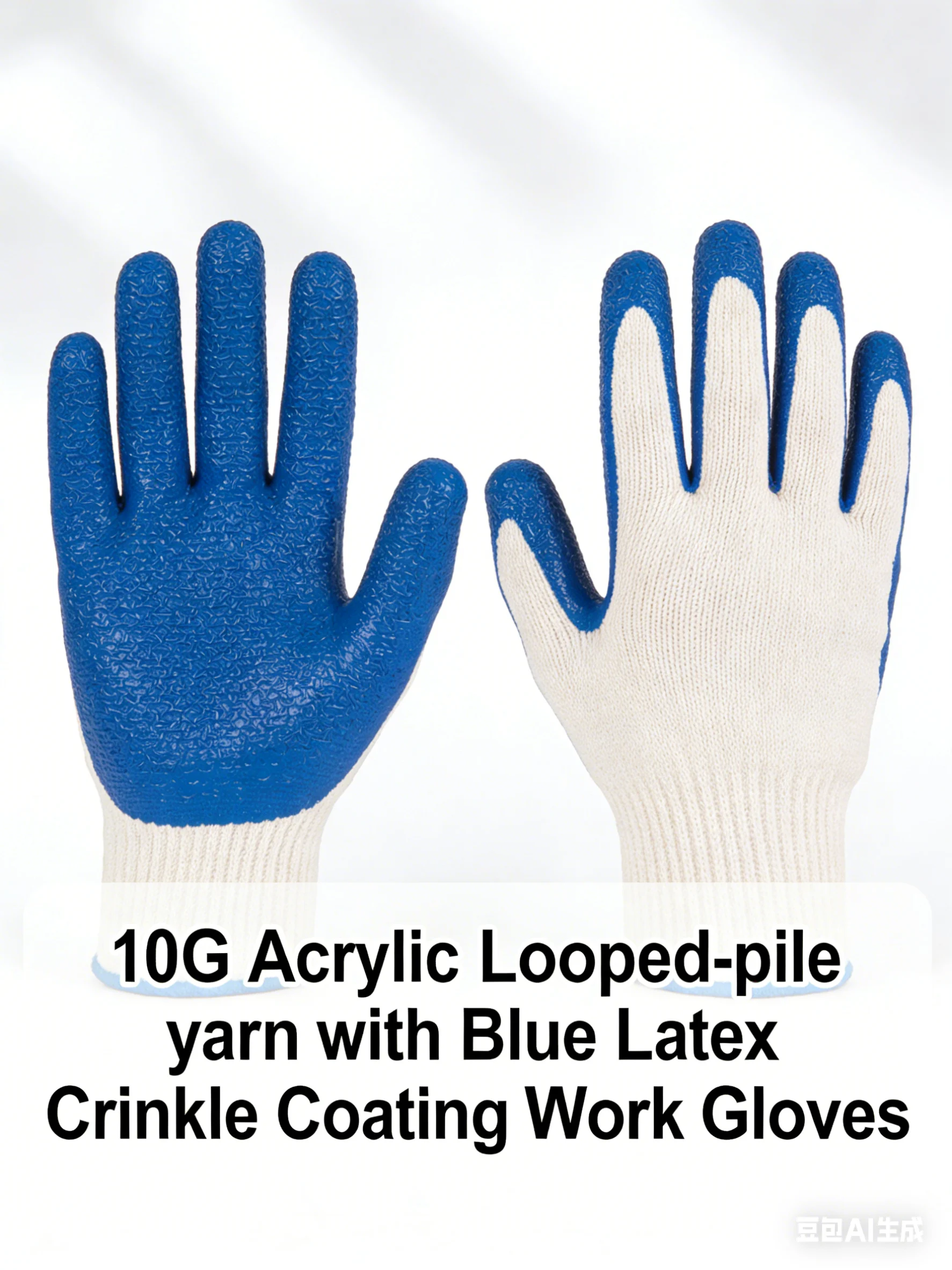
- Shell Construction: 10-gauge thick knit offers balanced density for warmth, breathability, and long-lasting structural integrity.
- Liner System: Multi-layer thermal fleece retains heat even during extended exposure to sub-zero temperatures.
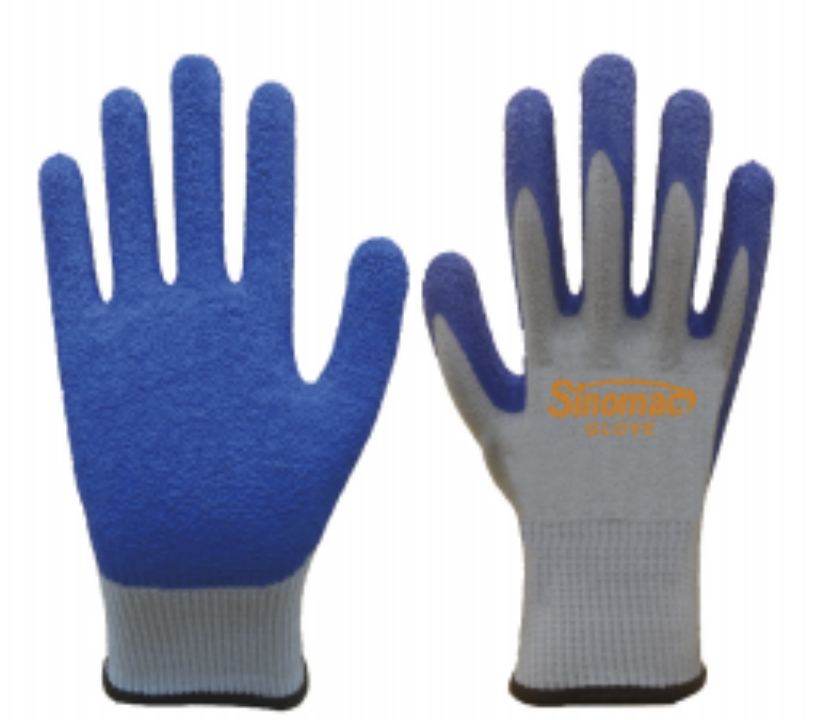
- Protective Coating: Sandy latex on the palm and back provides waterproofing, abrasion resistance, and a secure grip in wet conditions.
- Certifications: OEKO-TEX Standard 100 ensures safety from chemical residues—an essential mark for reliable gloves.
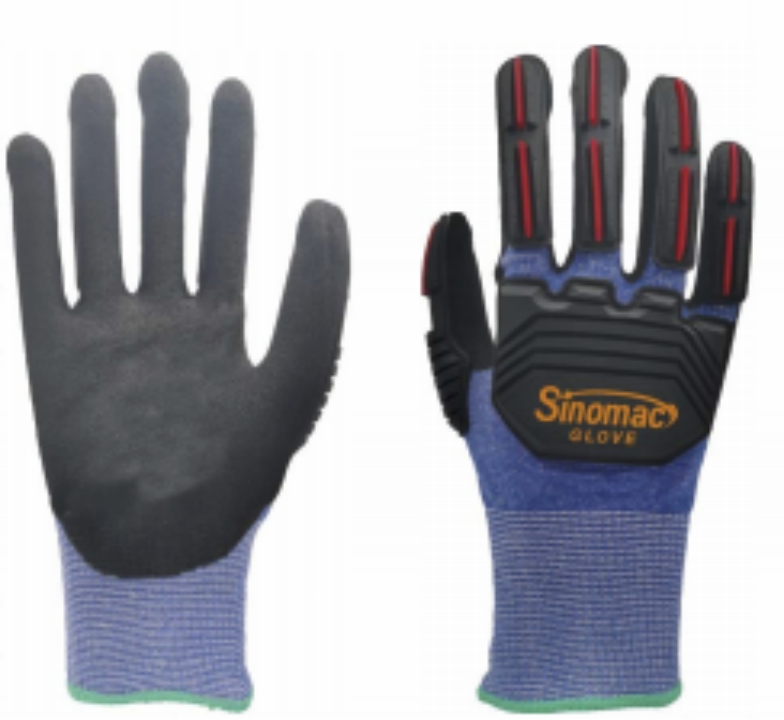
- Sizing: Ranges from XS to 2XL, with options for different liners, coatings, and impact patterns.
These gloves are ideal for cold storage, freezer handling, outdoor construction, logistics, mining, and winter maintenance. From unloading frozen freight at -23°C to working in snowstorms, they deliver consistent protection and performance.
EN 511: The Benchmark for Cold Protection
The EN 511 standard is the recognized measure for thermal glove performance in extreme cold, testing resistance down to -50°C. Understanding the rating ensures you choose gloves that truly protect:
- Convective Cold (0–4): Insulation against heat loss from moving air or water. Level 4 is optimal for windy conditions.
- Contact Cold (0–4): Resistance to heat transfer when touching cold surfaces. Level 4 prevents rapid cooling when handling frozen materials or metal.
- Water Penetration (0 or 1): Pass/fail test for waterproofing. Level 1 means no water penetration, maintaining insulation integrity.
Before EN 511 testing, gloves must meet EN 388 abrasion and tear standards, ensuring mechanical durability at temperatures below -30°C. The EN 511 symbol is not marketing—it reflects lab-tested performance, guaranteeing both thermal and physical protection in extreme conditions.
Thermal Insulated Work Gloves vs. Standard Winter Gloves: A Comparison
Put a cheap pair of winter gloves next to a proper thermal insulated work gloves pair, and the differences become obvious within the first hour on the job.
| Feature | Standard Winter Gloves | Thermal Insulated Work Gloves |
|---|---|---|
| Insulation type | Thin fleece or no real liner | Multi-layer thermal fleece + acrylic/HPPE/polyester |
| Waterproofing | Often none or water-resistant only | Full latex coating, EN 511 level 1 rated |
| Grip quality | Smooth fabric, poor in wet conditions | Textured sandy latex, firm even when wet |
| Gauge/knit | Unspecified, often loose | 10-gauge balanced knit |
| Dexterity | Bulky, restrictive | Snug fit that allows finger movement |
| Durability | Wears out in weeks | Built for season after season |
| Certifications | None | OEKO-TEX, EN 511 |
| Price point | $10–30 | $20–50+ (but lasts much longer) |
| Best for | Commuting, shoveling a driveway | Construction, cold storage, heavy outdoor work |
The price difference isn’t a difference at all when you consider lifespan. A cheap pair of winter gloves that fails in three weeks costs more per month than a quality thermal insulated work gloves product that lasts three years.
Real Users, Real Cold: What Workers Are Saying
Users report big improvements after switching to proper thermal insulated work gloves:
A worker in a -25°C cold storage called his previous gloves “useless.” After switching: “So much better.” Similar experiences are common in cold storage and freezer environments.
A garbage collector needed waterproof, non-bulky gloves. After three weeks: “No holes or tears… just ordered three more pairs.”
A walk-in freezer worker said, “My grip and flexibility are not restricted,” even during long shifts.
A truck washer in New Jersey winters described them as a wetsuit for the hands: “Warm and dry even in freezing water.”
Extreme test: one user put his hand in freezing water—“cool, but not cold.” This shows the difference between basic insulation and real protection. Reliable thermal insulated work gloves truly improve cold-weather work performance.
Fit issues are the only common complaint—fingers too long or gloves too tight. Measure carefully and refer to the sizing chart. A properly fitted thermal insulated work gloves performs as intended; a poor fit diminishes effectiveness regardless of material quality.
Who Needs Thermal Insulated Work Gloves?
If you’re reading this and thinking, “That’s not me,” ask yourself these questions:
-
Do you work outside during winter?
-
Do you spend more than 30 minutes at a time in a refrigerated or frozen storage area?
-
Do you handle cold metal, frozen goods, or refrigerated equipment?
-
Do your hands ever feel numb, stiff, or clumsy on the job?
If you answered yes to any of those, you need proper thermal hand protection. That means investing in thermal insulated work gloves suited to your conditions.
Here’s who uses thermal insulated work gloves every day:
-
Cold storage and freezer warehouse workers — Temperatures often range from -23°C to +10°C. Long exposure without proper gloves is a recipe for cold stress and lost productivity.
-
Outdoor construction crews — Cold wind, wet conditions, and heavy tools demand gloves that keep hands warm without sacrificing dexterity.
-
Logistics and delivery drivers — Loading and unloading in freezing weather, handling cold cargo, and working in unheated truck beds.
-
Mining and heavy industrial workers — Extreme conditions, long shifts, and unforgiving materials.
-
Municipal winter maintenance — Snow removal, road salting, and emergency response in below-freezing conditions.
-
Landscaping and grounds maintenance — Winter clean-up, snow blowing, and equipment operation.
-
Fishing and maritime industries — Wet, cold, windy—arguably the toughest environment for hand protection.
-
Oil and gas field workers — Remote locations, extreme temperatures, and safety-critical tasks.
The common thread? Each of these jobs demands hand protection that works in conditions where standard winter gloves fail. A purpose-built, thermal insulated work gloves product meets that demand.
Proper Care and Maintenance: How to Make Your Thermal Insulated Work Gloves Last
Even the best thermal insulated work gloves won’t last if you treat them poorly. Here’s how to extend their life.
Wash properly. Use cool or lukewarm water (30°C max). Hot water degrades elastic fibers and can damage waterproof coatings. Use a mild detergent—no bleach, no fabric softener.
Air dry whenever possible. High heat from tumble dryers is the fastest way to shrink liners and crack latex coatings. Hang gloves in a well-ventilated area away from direct heat sources.
Check for damage regularly. Look for tears in the knit, cracks in the coating, or thinning in high-wear areas like the palm and fingertips. Damaged gloves should be replaced—they won’t provide reliable protection.
Store properly. Keep gloves in a cool, dry place away from direct sunlight. UV exposure degrades latex and synthetic materials over time.
Rotate between pairs. If you work in the cold daily, two or three pairs in rotation allow each pair to fully dry between uses and reduce wear on any single pair.
Don’t skimp on fit. A glove that’s too loose lets cold air circulate. A glove that’s too tight restricts circulation—ironically making hands colder. Take the time to get the right size. Properly maintained, thermal insulated work gloves will serve you for multiple winter seasons.
A well-maintained pair of thermally insulated work gloves can last multiple seasons. A neglected pair will fail mid-winter, usually at the worst possible moment. Don’t let that happen.
Why Thermal Hand Protection Is Growing Fast
The numbers behind thermal hand protection tell an interesting story. The global industrial safety gloves market is projected to grow at 5.0% CAGR through 2033, driven by rising workplace safety regulations and increasing awareness about occupational health.
More specifically, the insulated gloves market is projected to grow at 7.5% CAGR through 2032, fueled by industrial expansion in cold chain logistics, construction, oil and gas, and manufacturing.
The global multi-purpose insulated gloves market was estimated at roughly $75 billion in 2025 and is projected to exceed $300 billion by 2032—an extraordinary 22.4% CAGR.
Why the rapid growth? Three reasons:
-
Stricter safety regulations — OSHA may not have a specific cold stress standard, but the General Duty Clause requires employers to protect workers from recognized hazards, including cold exposure. Ignoring cold stress protection invites citations, lawsuits, and reputational damage. The demand for certified thermal insulated work gloves is rising as a direct result.
-
Expansion of cold-dependent industries — E-commerce grocery delivery, pharmaceutical cold chain logistics, and frozen food distribution have exploded. Every cold storage facility needs thermal hand protection.
-
Awareness is finally catching up — Only 33% of outdoor workers in cold climates reported adequate knowledge about cold-weather protection in a recent survey. That’s a massive education gap—and a massive opportunity for employers to improve worker safety.
Put simply, the market is growing because the need is real and the consequences of ignoring it are severe. Modern thermal insulated work gloves are becoming standard PPE, not an afterthought.
How to Choose the Right Thermal Insulated Work Gloves
If you’ve made it this far, you’re serious about solving your cold-hands problem. Here’s a step-by-step selection guide.
Step 1: Assess your actual conditions. What’s the typical temperature? Is the environment wet or dry? Do you handle cold objects or just work in cold air? How long are your shifts? Different thermal insulated work gloves suit different conditions.
Step 2: Prioritize features according to your needs. Wet environments demand waterproofing (EN 511 level 1). Extremely cold conditions need high convective cold ratings (level 3 or 4). Handling frozen materials requires cold contact protection. Dexterity-intensive tasks need a snug fit.
Step 3: Check the certifications. Look for OEKO-TEX Standard 100 for material safety. Look for EN 511 ratings that match your working conditions. These aren‘t decorations—they’re evidence.
Step 4: Get the sizing right. Measure your hand circumference and finger length. Compare to the manufacturer’s size chart. When in doubt, size up—loose gloves can be tightened with liners, but tight gloves are useless.
Step 5: Buy quality once. Cheap gloves fail fast. A good pair costs more upfront but lasts longer and protects better. The real cost isn‘t the purchase price—it’s the number of times you have to replace them. That’s why durable thermal insulated work gloves are a smarter investment.
Conclusion: Protect Your Hands, Boost Your Productivity
Cold hands aren’t just uncomfortable—they’re a safety risk and a productivity killer. From freezer warehouses to outdoor construction sites, the difference between struggling through a shift and working comfortably often comes down to one thing: your gloves.
The right thermal insulated work gloves keep your hands warm, dry, and fully functional, hour after hour. They reduce cold-related injuries, improve performance, and make winter work manageable instead of miserable.
Don’t settle for numb fingers or bulky, ineffective gloves. Invest in a proven thermal insulated work gloves solution that fits your hands, matches your work conditions, and delivers real protection. Your hands will thank you, your productivity will improve, and you’ll wonder why you waited so long.