



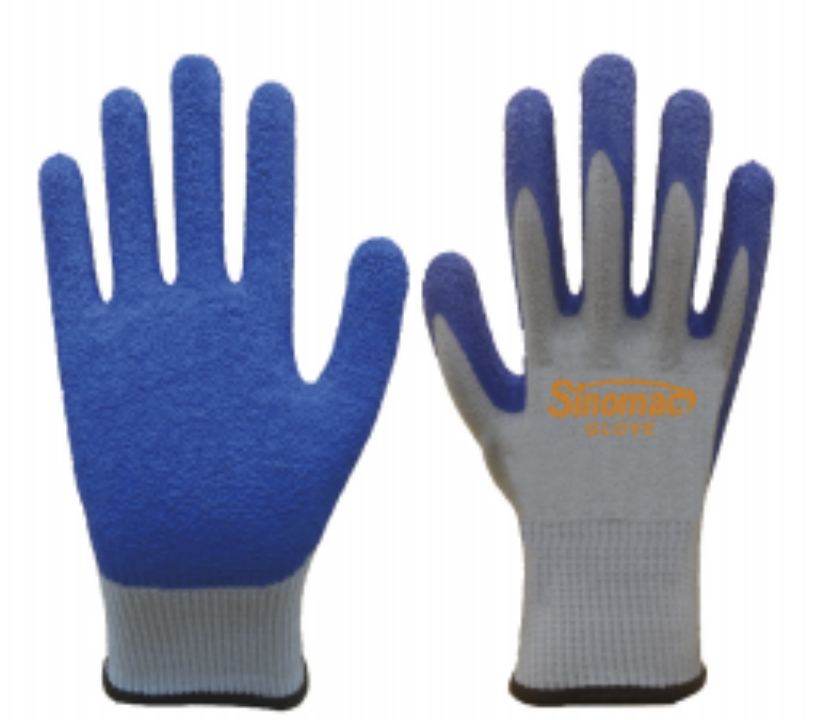
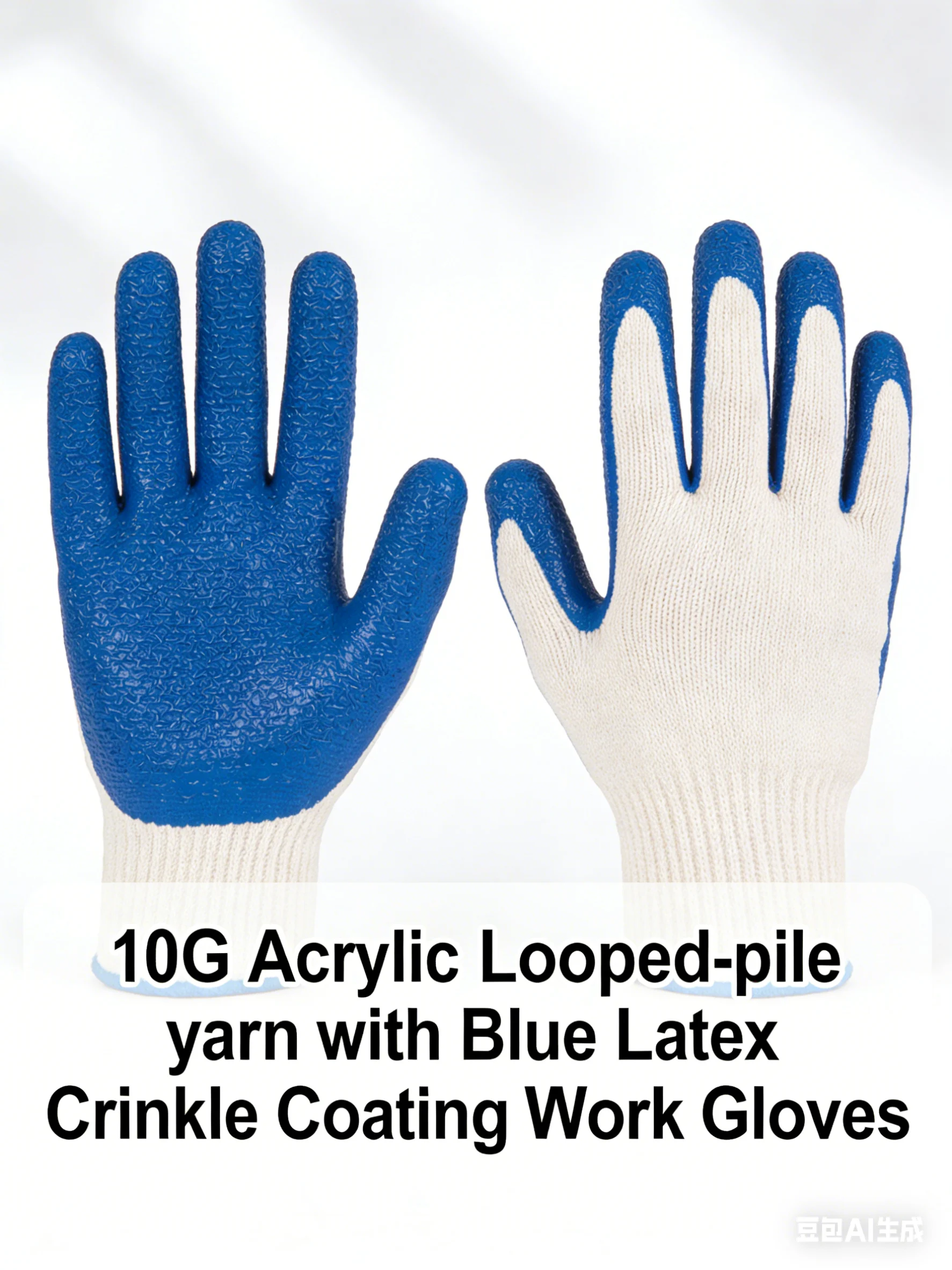
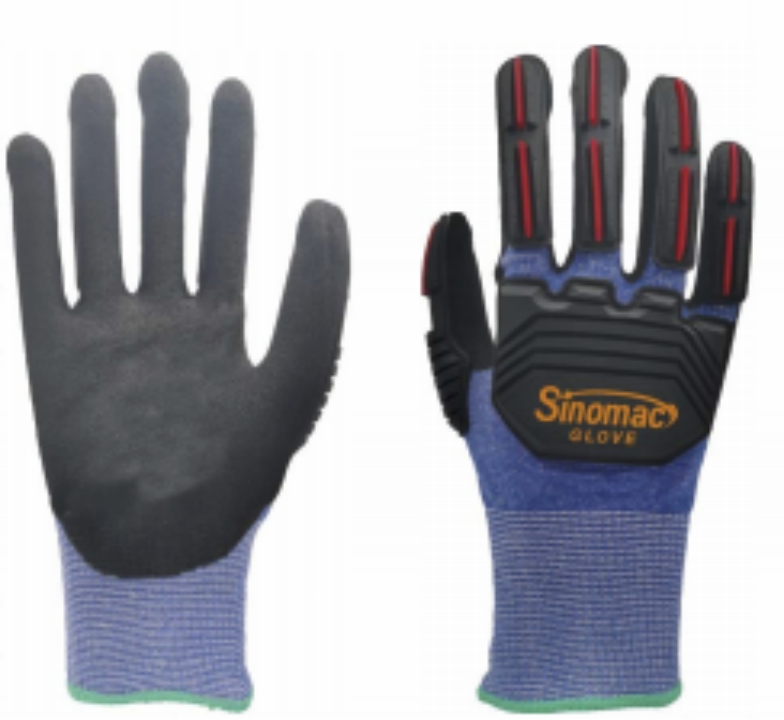
Industrial workplaces place enormous stress on workers’ hands. From handling sharp metal edges to operating machinery and managing oily parts, hands are exposed to risks that can easily result in cuts, abrasions, or slipping accidents. Protective gloves have long been part of standard safety equipment, but not all gloves perform equally well in demanding environments. Among the most widely trusted solutions today are cut-resistant gloves with sandy nitrile coating, a combination designed to balance protection, grip, durability, and comfort.
Across manufacturing, construction, automotive assembly, and logistics operations, companies are increasingly turning to this glove structure to reduce workplace injuries while maintaining productivity. The reason is simple: the combination of cut-resistant fibers and sandy nitrile coating addresses multiple hazards at once. It protects against sharp materials while providing a secure grip even in oily or wet conditions.
The Growing Importance of Cut-Resistant Gloves in Modern Industry
Industrial processes today involve faster production speeds, heavier materials, and more complex machinery than ever before. These factors increase the risk of hand injuries if proper protection is not used. According to occupational safety reports from various industrial sectors, hand injuries remain among the most common workplace incidents.
Cut-resistant gloves are designed to reduce these risks by using specialized fibers and advanced knitting structures that resist sharp edges and abrasion. They are particularly important in environments where workers frequently handle materials such as sheet metal, glass, tools, wires, or construction components.
Several factors explain why these gloves have become essential safety equipment:
-
Frequent contact with sharp materials
Workers in industries such as metal fabrication, glass processing, and recycling handle materials with sharp edges daily. Even a minor slip can result in severe lacerations without proper hand protection. -
Increased productivity requirements
Modern factories often require employees to work quickly and repeatedly handle components. Gloves that combine cut protection with flexibility allow workers to perform tasks efficiently without compromising safety. -
Workplace safety regulations
Many industrial regions enforce strict occupational safety standards. Employers must provide personal protective equipment that meets recognized safety certifications, and cut-resistant gloves are often required. -
Protection against secondary hazards
Besides cuts, gloves also help protect against abrasion, punctures, and contact with oils or chemicals commonly found in industrial operations.
Cut-resistant gloves, therefore, play a dual role. They protect workers from injury while also supporting productivity by allowing tasks to be performed safely and efficiently.
Sandy Nitrile Coating Technology
While cut-resistant fibers form the foundation of the glove, the outer coating determines how the glove performs during real work conditions. Sandy nitrile coating is widely recognized as one of the most effective coatings for industrial gloves because it improves grip, durability, and oil resistance.
Nitrile itself is a synthetic rubber known for its chemical resistance and mechanical strength. When applied to gloves in a sandy or textured finish, the coating forms a micro-rough surface that enhances friction.
This structure creates several practical advantages.
First, sandy nitrile significantly improves grip performance. The rough surface texture increases contact with objects, making it easier to hold tools or materials securely. This is especially important when handling oily machine parts or wet materials.
Second, the coating provides excellent abrasion resistance. Industrial environments often involve repeated friction between gloves and surfaces. The nitrile layer protects the underlying fibers and extends the service life of the glove.
Third, the sandy nitrile coating maintains flexibility. Unlike some heavy rubber coatings, nitrile remains relatively lightweight and elastic. Workers can still move their fingers naturally, which improves precision and reduces fatigue.
Finally, nitrile is known for its resistance to oils and certain chemicals. Many industrial processes involve lubricants or cutting fluids that can quickly degrade other glove materials. Nitrile coating helps maintain performance even under these conditions.
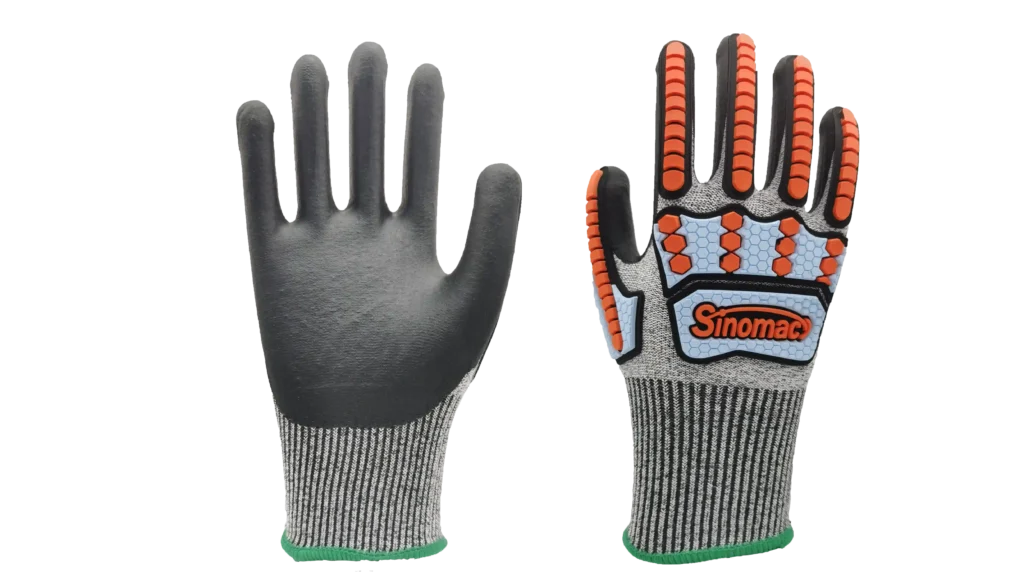
Key Performance Features of Sandy Nitrile Coated Cut Gloves
Industrial buyers typically evaluate gloves based on several critical performance characteristics. Sandy nitrile-coated cut gloves perform well in many of these areas, which explains their popularity in professional safety equipment markets.
One major advantage is superior grip performance. The sandy surface improves traction when handling metal parts, tools, or equipment. Workers can maintain better control, which reduces accidents caused by slipping objects.
Another important feature is oil resistance. Many industrial gloves lose their grip when exposed to oil or grease. Sandy nitrile coating maintains a stable grip in these conditions, making it suitable for automotive and mechanical industries.
Durability is also a defining characteristic. The nitrile layer protects the glove structure from wear caused by friction, rough surfaces, and repeated handling tasks. This helps reduce replacement frequency and lowers operational costs.
Comfort and breathability are equally important. Modern cut-resistant gloves are typically knitted using lightweight fibers that allow air circulation. The nitrile coating is usually applied only on the palm and fingers, leaving the back of the glove breathable.
These combined characteristics make sandy nitrile-coated gloves an effective balance between safety and usability.
Industrial Applications Where These Gloves Excel
Cut-resistant gloves with sandy nitrile coating are widely used across multiple industrial sectors. Each industry has specific hazards, but the combination of cut protection and a strong grip makes these gloves suitable for many environments.
Manufacturing and Metal Processing
In metal fabrication and sheet metal handling, workers frequently deal with sharp edges that can easily cut unprotected hands. Gloves with strong cut resistance help reduce injury risks during operations such as stamping, bending, welding preparation, and assembly.
Automotive Assembly
Automotive factories require workers to handle metal components, tools, and mechanical parts. Many of these components are coated with oils or lubricants. Sandy nitrile gloves help maintain grip while protecting against sharp surfaces.
Construction and Building Materials
Construction sites involve handling tools, steel bars, glass panels, and heavy materials. Protective gloves help prevent both cuts and slips when carrying or installing these materials.
Logistics and Warehousing
Warehouse workers often handle packaged goods, metal frames, and equipment parts. Gloves that combine flexibility and grip make lifting and moving items safer and more efficient.
Glass and Recycling Industries
Glass manufacturing and recycling operations present significant cutting hazards. Specialized cut-resistant gloves help workers safely manage glass sheets, broken materials, or scrap.
These industries rely on protective gloves not only for safety compliance but also to maintain smooth operations and reduce downtime caused by workplace injuries.
Comparing Sandy Nitrile Coating with Other Glove Coatings
Industrial gloves are available with various coatings, each offering different benefits. Comparing Sandy Nitrile with other common coatings helps clarify why it is often preferred for demanding environments.
| Coating Type | Grip Performance | Oil Resistance | Durability | Flexibility |
|---|---|---|---|---|
| Sandy Nitrile | Excellent | Excellent | High | High |
| Smooth Nitrile | Good | Good | High | Moderate |
| PU Coating | Good in dry conditions | Low | Moderate | Very high |
| Latex Coating | Very good in dry conditions | Low | Moderate | High |
Sandy nitrile stands out because it performs well across multiple categories. While PU coatings offer excellent flexibility, they may not provide the same oil resistance. Latex coatings provide strong dry grip but can degrade in oily environments.
This balance of grip, durability, and chemical resistance makes sandy nitrile one of the most versatile glove coatings for industrial applications.
Factors Industrial Buyers Consider When Choosing Cut-Resistant Gloves
Selecting the right protective glove requires careful evaluation of several factors. Industrial buyers typically look beyond simple product descriptions and focus on measurable performance characteristics.
Cut Resistance Level
Different gloves provide different levels of cut protection. International standards such as EN388 or ANSI cut levels help classify gloves based on their resistance to cutting forces. The appropriate level depends on the specific hazards of the workplace.
Grip and Handling Performance
Workers must maintain control of tools and materials while wearing gloves. Gloves with textured nitrile coating offer better grip, especially in oily or wet environments.
Durability and Service Life
High-quality gloves should withstand repeated use without rapid wear. Durable coatings and strong fiber structures help extend the lifespan of the gloves.
Comfort and Fit
Poorly fitting gloves can reduce productivity and increase fatigue. Modern designs focus on ergonomic knitting structures that follow the natural shape of the hand.
Breathability
Workers often wear gloves for long periods. Breathable materials help reduce heat buildup and improve comfort during extended tasks.
-
Proper fit and ergonomic design improve worker comfort during long shifts
-
Breathable glove structures reduce heat accumulation inside the glove
-
Flexible coatings allow natural finger movement during detailed work
-
Lightweight materials help reduce fatigue during repetitive tasks
By considering these factors, companies can choose gloves that protect workers without interfering with performance.
Why Grip Matters in Industrial Safety
Grip strength plays a crucial role in workplace safety. Many industrial accidents occur not because of sharp objects alone, but because workers lose control of tools or materials.
When gloves provide a stable grip, workers can hold items securely even when surfaces are wet or covered with oil. This reduces the chance of dropping objects or losing control of equipment.
Sandy nitrile coating addresses this problem by creating a rough surface texture that increases friction. The result is improved control when handling heavy or slippery materials.
Grip also influences worker confidence. Employees who trust their protective equipment tend to perform tasks more efficiently because they feel secure handling tools and materials.
Durability and Cost Efficiency for Industrial Operations
Safety equipment must balance protection with long-term cost efficiency. While protective gloves are relatively inexpensive compared to machinery or tools, frequent replacement can still add high operational costs.
Durable glove materials help reduce these costs by extending service life. Sandy nitrile-coated gloves are known for their resistance to abrasion and tearing. The coating protects the underlying fibers from wear caused by rough surfaces.
Longer glove lifespan means fewer replacements, lower purchasing costs, and less downtime for workers who need new protective equipment.
From a procurement perspective, this durability makes sandy nitrile gloves a cost-effective choice for many industries.
Maintenance and Proper Use of Protective Gloves
Even high-quality gloves require proper handling to maintain performance. Workers and safety managers should follow certain practices to ensure gloves remain effective.
Gloves should be inspected regularly for signs of wear, cuts, or damage. Damaged gloves may not provide the intended level of protection and should be replaced promptly.
Proper storage is also important. Gloves should be kept in dry environments away from direct sunlight or chemicals that could degrade the materials.
Workers should also select gloves that match the specific hazards of their tasks. A glove designed for light assembly work may not provide enough protection for heavy metal handling.
-
Inspect gloves before each use for visible damage
-
Replace gloves that show excessive wear or tears
-
Store gloves in dry, clean environments
-
Choose glove types that match the task requirements
Following these practices helps ensure that protective gloves continue to perform effectively throughout their lifespan.
The Future of Industrial Hand Protection
Industrial safety equipment continues to evolve as manufacturers develop new materials and production technologies. Advances in high-performance fibers, ergonomic knitting techniques, and improved coating technologies are making protective gloves more effective than ever.
Modern glove designs aim to combine multiple protective features in a single product. These may include enhanced cut resistance, improved grip, touch-screen compatibility, and increased breathability.
Sandy nitrile coating will likely remain an important component of these designs because of its proven performance in industrial environments. As industries continue to prioritize worker safety and operational efficiency, protective gloves will play an even larger role in workplace safety strategies.
Cut-resistant gloves with sandy nitrile coating have become an essential part of industrial safety equipment. Their combination of advanced fibers and textured nitrile coating provides reliable protection against sharp materials while maintaining a strong grip and flexibility.
Industries such as manufacturing, construction, automotive assembly, and logistics rely on these gloves to protect workers and maintain efficient operations. The gloves offer a balance of durability, comfort, and performance that supports both safety compliance and productivity.
As workplaces continue to adopt stricter safety standards and more complex production processes, the demand for high-performance protective gloves will continue to grow. Sandy nitrile-coated cut gloves provide a practical solution that meets the evolving needs of modern industrial environments.