



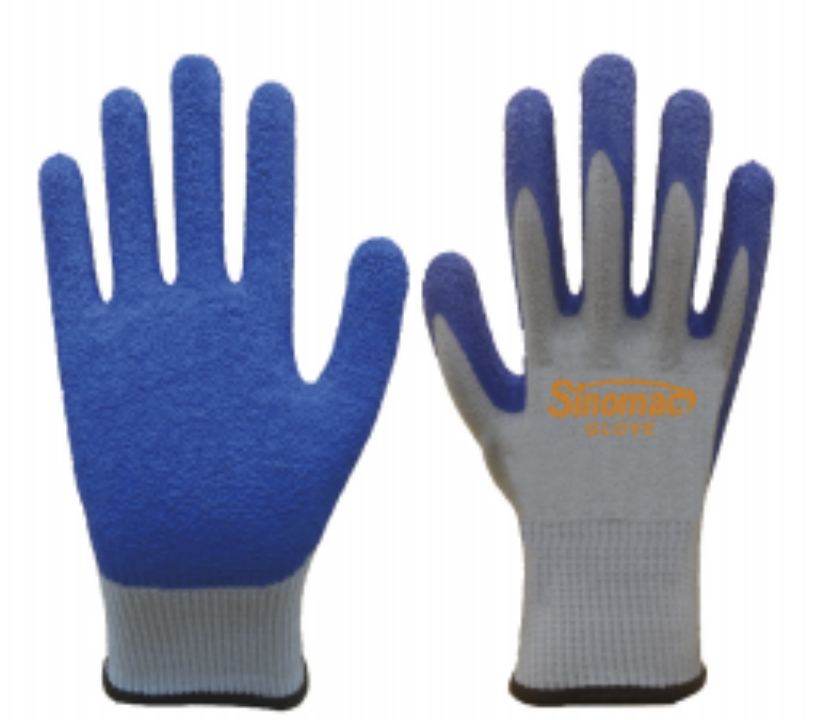
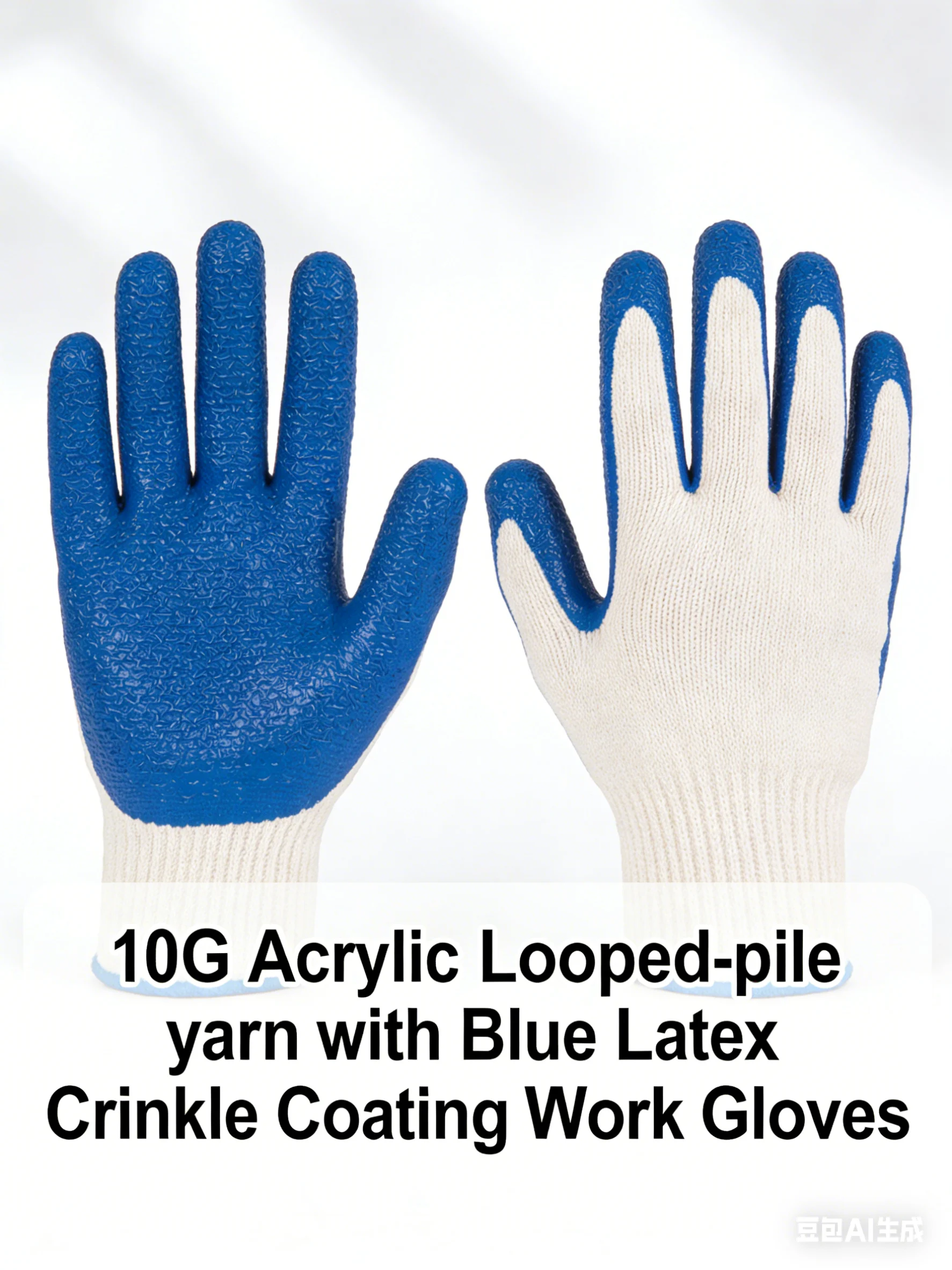
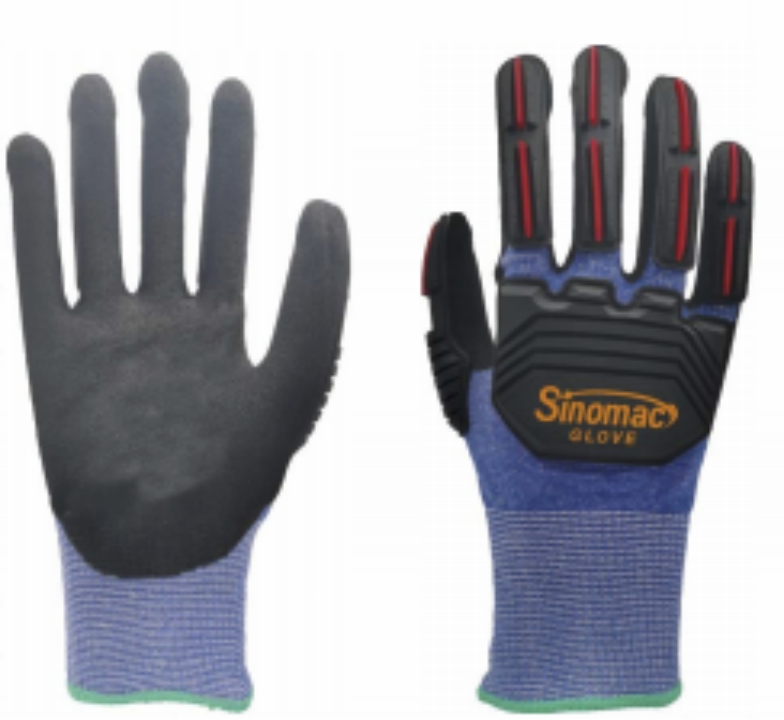
Hand injuries remain one of the most common and costly workplace incidents across industrial environments. From metal fabrication floors to warehouse operations, workers routinely handle sharp materials, exposed edges, glass panels, blades, and rough components. In such environments, even a minor lapse in protection can result in lacerations that lead to downtime, medical expenses, lost productivity, and long-term complications.
Cut resistant gloves are designed specifically to reduce the risk of these injuries. They are not ordinary work gloves. They are engineered protective equipment built to delay or prevent cuts caused by sharp objects. Understanding how they work, what standards define their performance, and how to select the right type is critical for any safety-conscious organization.
This guide explores what cut resistant gloves are, how they function, what standards govern them, and why they are indispensable in modern industrial safety programs.
What Are Cut Resistant Gloves?
Cut resistant gloves are protective hand coverings designed to reduce the likelihood of lacerations when handling sharp tools or materials. Unlike standard fabric or leather work gloves, which primarily protect against dirt, minor abrasions, or light impact, cut resistant gloves are constructed using specialized high-strength fibers.
These gloves are engineered to resist slicing motions from sharp edges. It is important to clarify one common misconception: cut resistant does not mean cut proof. No glove can guarantee complete protection against every sharp object under all conditions. Instead, cut resistance refers to a glove’s ability to withstand a blade under controlled testing conditions for a defined amount of force.
The key purpose of cut resistant gloves is to buy time. When a blade contacts the glove, the material resists the cutting action long enough for the worker to react, pull away, or reduce applied pressure. That time difference can mean the difference between a superficial mark and a deep laceration.
These gloves are widely used in industries where workers handle:
-
Sheet metal
-
Glass panels
-
Sharp tools
-
Industrial machinery components
-
Packaging materials with sharp edges
They are now considered an essential part of personal protective equipment (PPE) in many sectors.
How Do Cut Resistant Gloves Work?
To understand cut resistance, we need to look at basic material science.
When a sharp blade contacts a surface, it concentrates force into a very small point. If the material cannot disperse that force, the blade penetrates and slices through. Cut resistant gloves work by using fibers that are both strong and slippery at a microscopic level. These fibers disperse and absorb force, reducing the blade’s ability to penetrate.
High-Strength Fibers
Most cut resistant gloves use advanced synthetic fibers such as high-performance polyethylene (HPPE), aramid fibers, steel blends, or glass fiber reinforcements. These fibers have extremely high tensile strength, meaning they resist being pulled apart.
When a blade presses against the glove, the fibers move and shift rather than break immediately. Instead of the blade cutting through cleanly, it encounters resistance and friction.
Fiber Structure and Yarn Engineering
Cut resistant gloves are typically knitted rather than woven. Knitting allows elasticity and flexibility while maintaining structural integrity. The density of the knit, often described in gauge (for example, 13-gauge or 18-gauge), influences flexibility and tactile sensitivity.
A tighter knit increases surface density, improving resistance. However, flexibility and comfort must also be maintained, especially for precision work.
Force Distribution
Rather than absorbing impact like padding, cut resistant materials distribute force along the length of the fibers. The blade’s energy spreads out instead of concentrating in one location. This distribution slows penetration.
Role of Coatings
Many cut resistant gloves include palm coatings such as foam nitrile, polyurethane (PU), or latex. These coatings improve grip, especially in oily or wet conditions. Improved grip reduces accidental slips, which are a common cause of cuts. The coating does not provide the primary cut resistance; instead, it enhances control and abrasion resistance.
In short, cut resistant gloves combine fiber science, knitting engineering, and surface coatings to create layered protection against laceration hazards.
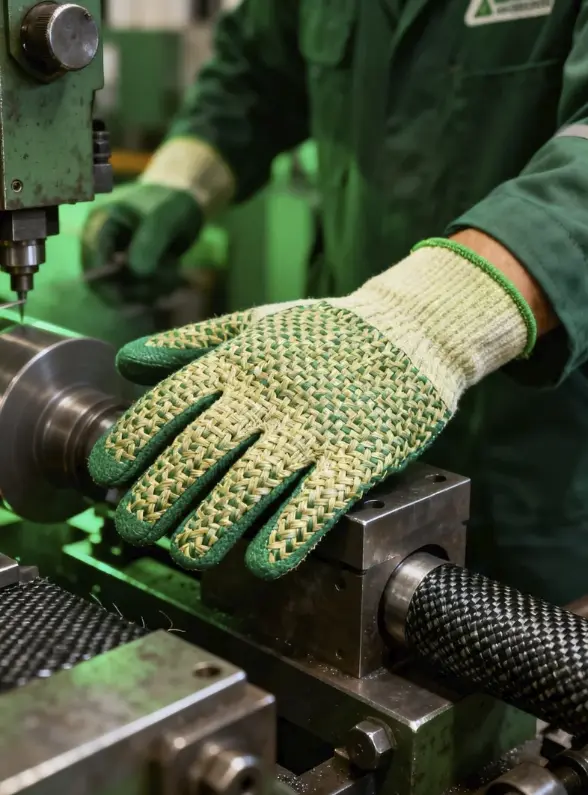
Cut Resistance Levels and Safety Standards
Not all cut resistant gloves provide the same level of protection. To measure performance consistently, international standards define testing methods and rating systems.
ANSI/ISEA 105 Standard
In North America, the ANSI/ISEA 105 standard is widely used. It classifies gloves on a scale from A1 to A9.
-
A1: Light cut hazards
-
A2–A3: Moderate cut risks
-
A4–A6: High cut risks
-
A7–A9: Extreme cut hazards
The higher the number, the greater the force required to cut through the glove material during testing.
ANSI testing measures the grams of force needed for a blade to cut through the fabric. For example:
-
A1 may withstand around 200 grams
-
A9 may withstand over 6,000 grams
This standardized testing allows safety managers to match glove protection levels to workplace risks.
EN 388 European Standard
In Europe, EN 388 is commonly used. It evaluates gloves for:
-
Abrasion resistance
-
Blade cut resistance
-
Tear resistance
-
Puncture resistance
-
Impact protection (optional marking)
Cut resistance is measured differently under EN 388 compared to ANSI, but both systems aim to provide consistent, repeatable ratings.
Matching Risk to Rating
Choosing the correct rating depends on the task. Handling cardboard boxes does not require the same protection as handling stamped metal sheets. Over-specifying protection can reduce dexterity and comfort, while under-specifying can increase injury risk.
Risk assessments should consider:
-
Type of material handled
-
Sharpness level
-
Frequency of contact
-
Applied force
-
Environmental conditions
Understanding these standards is essential to building an effective safety strategy.
Materials Used in Cut Resistant Gloves
The protective capability of cut resistant gloves depends largely on the materials used in their construction.
High-Performance Polyethylene (HPPE)
HPPE fibers are lightweight yet extremely strong. They offer excellent cut resistance relative to weight. They are also breathable and comfortable, making them popular in many industrial settings.
Aramid Fibers
Aramid materials are known for heat resistance and strength. They are often used in environments where both cut protection and moderate heat protection are required.
Steel Fiber Blends
In high-risk applications, stainless steel fibers may be blended into yarns to increase cut resistance. These gloves offer very high ratings but may reduce flexibility if not engineered carefully.
Glass Fiber Reinforcement
Glass fibers are sometimes incorporated to increase tensile strength. They are typically wrapped within other fibers to prevent skin irritation.
Blended Constructions
Modern gloves often combine multiple materials to balance cut resistance, comfort, flexibility, and durability. A glove may include a strong core fiber for resistance and softer exterior fibers for comfort.
Material selection affects:
-
Protection level
-
Weight
-
Breathability
-
Flexibility
-
Cost
Understanding these trade-offs is crucial when selecting gloves for specific industrial tasks.
The Role of Coatings in Cut Resistant Gloves
While the inner liner provides cut resistance, coatings significantly affect performance.
Foam Nitrile Coating
Foam nitrile is highly popular because it offers excellent grip in dry and oily conditions. The micro-foam structure enhances friction without compromising flexibility. It also improves abrasion resistance and extends glove lifespan.
Polyurethane (PU) Coating
PU coatings are thin and flexible, making them ideal for precision work requiring tactile sensitivity. However, they may offer less oil resistance compared to nitrile.
Latex Coating
Latex provides strong grip and elasticity. It is often used in construction environments but may not be suitable for workers with latex sensitivities.
Full vs Palm Coating
Some gloves are palm-coated, while others are fully coated. Palm coatings maximize breathability, while full coatings provide additional protection against liquids.
Choosing the right coating depends on environmental conditions, such as oil exposure, moisture, and abrasion levels.
Industries That Require Cut Resistant Gloves
Cut resistant gloves are essential in numerous industries where sharp materials are handled daily.
- Construction
Workers handle metal framing, tools, sharp edges, and glass. Lacerations are common without proper protection. - Metal Fabrication
Sheet metal edges can cause severe cuts. High cut resistance ratings are typically required in this environment. - Automotive Manufacturing
Assembly lines involve handling stamped parts and mechanical components with sharp surfaces. - Glass Handling
Glass manufacturing and installation present high laceration risks. Specialized gloves with high ratings are necessary. - Logistics and Warehousing
Workers opening boxes, cutting packaging straps, and handling pallets face frequent minor cut hazards. - Food Processing
In meat processing plants, workers handle sharp knives. Specialized cut resistant gloves protect non-dominant hands during cutting tasks.
Each industry presents unique risk profiles that influence glove selection.
What Happens Without Proper Cut Protection?
Failing to implement cut resistant gloves can have serious consequences.
- Direct Injuries
Hand lacerations can range from superficial cuts to deep wounds requiring stitches or surgery. Severe cases may involve tendon damage or nerve injury. - Productivity Loss
Even minor injuries can remove workers from the floor temporarily. Replacement staffing, overtime, and training increase operational costs. - Insurance and Liability Costs
Workplace injuries increase insurance premiums and potential legal liability. - Long-Term Worker Impact
Repeated minor injuries can reduce morale and trust in safety management. Chronic hand damage can affect long-term dexterity and career longevity.
The financial and human costs of inadequate hand protection far exceed the investment in proper PPE.
How to Choose the Right Cut Resistant Gloves
Selecting the appropriate glove requires structured evaluation rather than guesswork.
Step 1: Conduct a Hazard Assessment
Identify the source of cut risks:
-
Sharp metal edges
-
Blades
-
Glass shards
-
Tools
Determine force levels and frequency of exposure.
Step 2: Select the Appropriate Cut Level
Match hazard severity with ANSI or EN rating levels. Do not automatically choose the highest rating; balance protection with dexterity.
Step 3: Consider Coating Requirements
If oil is present, nitrile may be ideal. For precision assembly, a thinner PU coating may be preferable.
Step 4: Evaluate Dexterity and Comfort
Workers are less likely to wear uncomfortable gloves. Proper fit and flexibility are critical for compliance.
Step 5: Assess Durability and Cost Efficiency
Higher-quality gloves may cost more upfront but last longer, reducing the total cost of ownership.
Effective selection improves safety and productivity simultaneously.
Maintenance, Replacement, and Lifespan
Cut-resistant gloves require proper maintenance to remain effective.
Inspection
Workers should inspect gloves daily for:
-
Holes
-
Fraying
-
Excessive wear
-
Coating degradation
Cleaning
Some gloves are washable. Follow manufacturer guidelines to avoid damaging fibers.
Replacement Schedule
Replace gloves immediately if structural damage is visible. Even high-rated gloves lose effectiveness once fibers are compromised.
Storage
Store gloves in dry environments away from direct sunlight or chemicals that may degrade materials.
A proactive maintenance program ensures consistent protection.
The Future of Industrial Hand Protection
Industrial safety continues to evolve. Cut-resistant gloves are no exception.
Lightweight High-Performance Fibers
New materials are being engineered to provide higher protection with lower weight and greater comfort.
Increased Dexterity
Advances in knitting technology allow thinner gloves to achieve higher cut ratings than older models.
Smart Gloves
Emerging technologies explore embedded sensors to monitor hand movement, exposure, or environmental hazards.
Sustainability Trends
Manufacturers are exploring recyclable materials and eco-friendly production processes to meet sustainability goals.
As industries become more automated and materials more advanced, hand protection will continue adapting to meet emerging risks.
Cut resistant gloves are not optional accessories; they are a foundational element of industrial safety programs. They are designed using advanced fiber technology to resist slicing forces and reduce laceration injuries. Standardized testing systems such as ANSI and EN 388 provide measurable benchmarks for protection levels.
From construction and manufacturing to logistics and food processing, countless industries rely on these gloves to safeguard workers’ hands. Without proper protection, injuries can result in financial loss, productivity disruption, and long-term harm.
Selecting the right cut resistant gloves requires evaluating hazard levels, understanding safety standards, considering environmental conditions, and balancing protection with dexterity. Regular inspection and proper maintenance ensure continued effectiveness.
As technology progresses, cut resistant gloves will continue to become lighter, stronger, and more adaptable. However, their fundamental purpose remains unchanged: protecting one of the most valuable tools in any workplace — the human hand.
Industrial safety is not built on assumptions. It is built on informed decisions, tested standards, and consistent protective practices. Cut resistant gloves play a central role in that commitment to safety and operational excellence.