



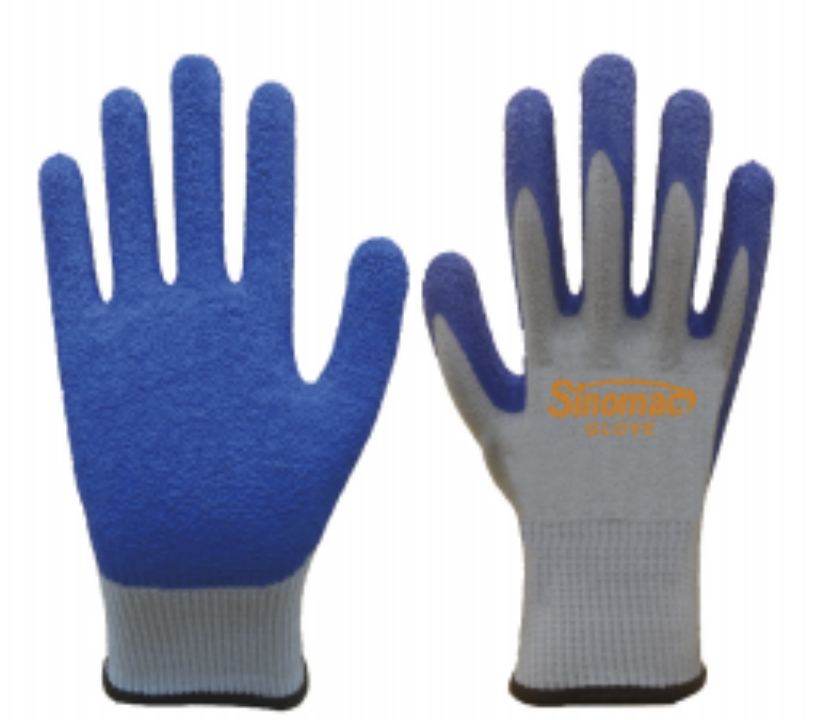
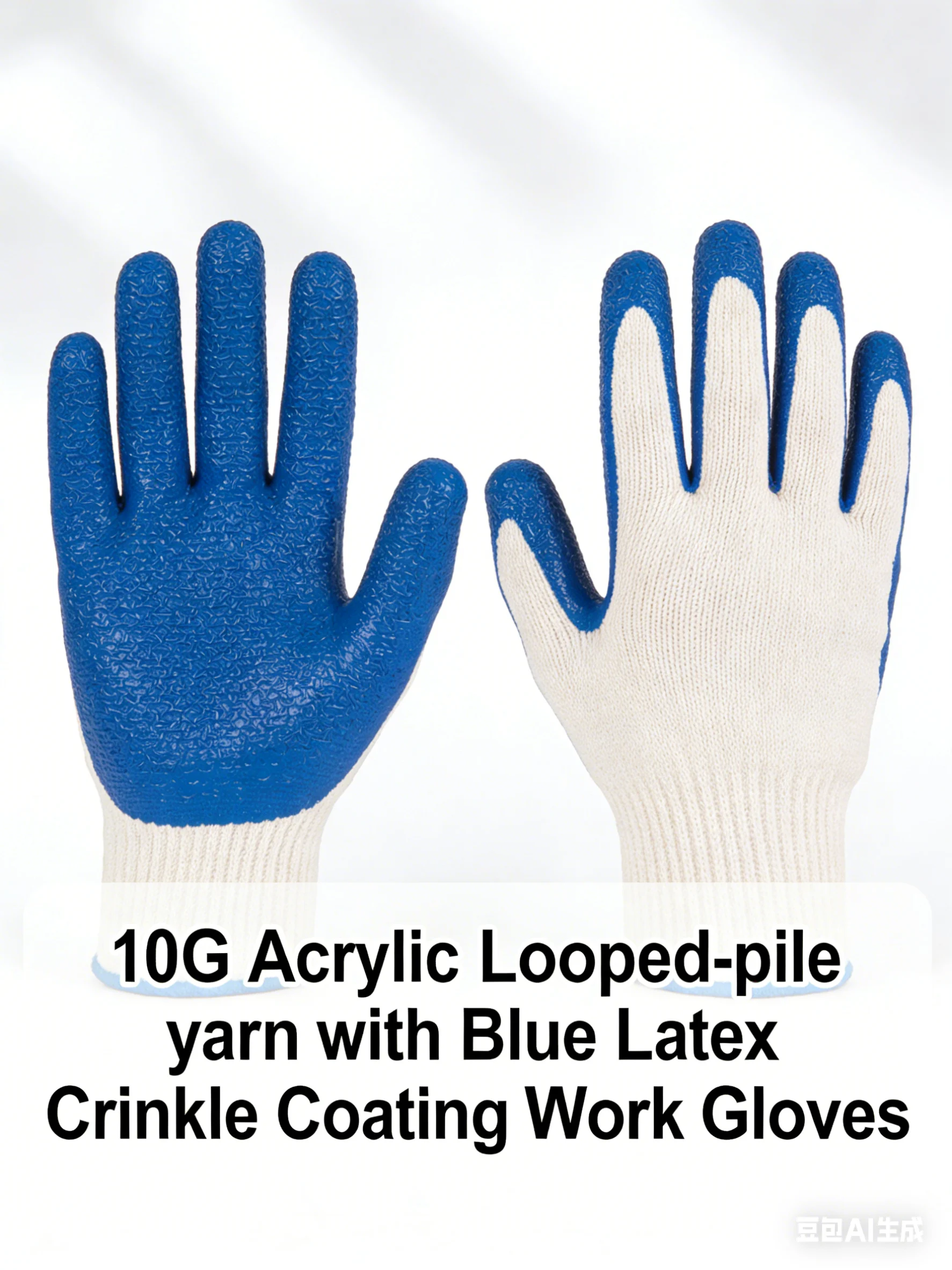
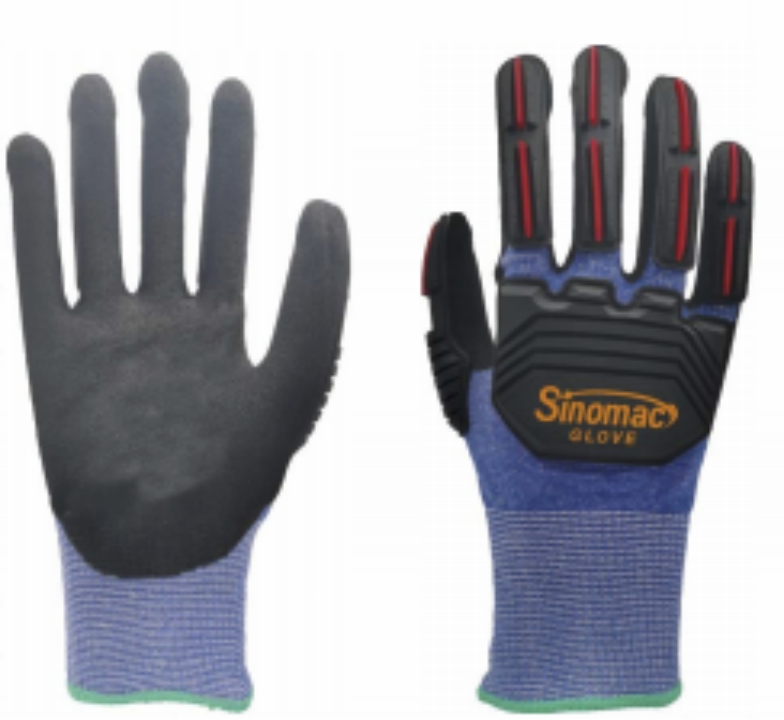
This comprehensive guide examines short fiber gloves designed for heavy-duty industrial applications, analyzing material composition, performance standards, and selection criteria. B2B buyers will gain insights into technical specifications, compliance requirements, and cost-effectiveness metrics to make informed procurement decisions for workplace safety equipment. Short fiber gloves represent a critical balance between hand protection and operational dexterity in manufacturing environments where mechanical hazards, abrasion, and repetitive handling tasks dominate daily operations. This analysis provides procurement managers with quantifiable comparison frameworks, enabling data-driven selection processes that optimize both worker safety and operational budgets across automotive, metal fabrication, and construction sectors.
Short Fiber Glove Technology
Material Composition and Manufacturing Process
Short fiber gloves utilize staple fiber yarns—typically cotton, polyester, or engineered blends—with individual fiber lengths ranging from 38-60mm. Unlike continuous filament construction, short fiber technology creates a textured surface that enhances grip characteristics while maintaining breathability. The manufacturing process begins with carding, where fibers align parallel before ring-spinning into yarn. Modern facilities employ 7-gauge to 21-gauge knitting machines, with higher gauge numbers producing thinner, more dexterous gloves suitable for precision assembly work.
[Image Placeholder: Cross-section diagram comparing fiber structure in 7G vs. 21G gloves]
Coating technologies significantly differentiate performance categories:
- Latex dipping: Provides 30-40% better wet grip than uncoated alternatives, with shore A hardness ratings between 50-70 for optimal tactile feedback
- Nitrile coatings: Deliver superior oil resistance (tested per ASTM F903) and puncture resistance up to 150 Newtons in palm areas
- Polyurethane (PU) micro-foam: Achieves 15% weight reduction compared to latex while maintaining ANSI Level 3 abrasion resistance (>8,000 cycles)
The polyester-cotton blend ratio critically impacts durability. Industry data shows 60/40 polyester-cotton compositions extend service life by 35% compared to 100% cotton in abrasive environments, while maintaining 85% of cotton’s natural comfort properties. Advanced manufacturing facilities now incorporate silver-ion antimicrobial treatments during the dyeing phase, reducing bacterial colonization by 99.9% after 50 wash cycles—a crucial factor for gloves used in multi-shift operations.
Performance Ratings and Safety Standards
Heavy-duty short fiber gloves must satisfy EN 388:2016 mechanical risk standards, which evaluate four core parameters through standardized testing:
| Test Parameter | Measurement Method | Heavy-Duty Minimum |
|---|---|---|
| Abrasion Resistance | Cycles to failure (Martindale method) | Level 3 (2,000+ cycles) |
| Cut Resistance | Coupe Test (grams) | Level 3 (10+ grams) |
| Tear Resistance | Force required (Newtons) | Level 3 (50+ N) |
| Puncture Resistance | Force required (Newtons) | Level 2 (60+ N) |
North American markets prioritize ANSI/ISEA 105-2016 compliance, particularly the TDM-100 cut resistance test, which addresses the “dulling effect” issue in earlier coupe testing. Level A3-A5 ratings (700-2,200 grams cut resistance) suit most metal fabrication applications, while automotive assembly lines typically specify A2-A3 for balancing protection with component handling dexterity.
ISO 21420:2020 establishes baseline requirements, including pH neutrality (4.0-9.5 range), chromium VI content below 3 ppm for leather components, and dimensional tolerances ensuring consistent sizing across production batches. Procurement specifications should mandate certificates of conformity documenting third-party testing by notified bodies—generic “CE marked” claims without supporting documentation present significant liability risks in workplace injury scenarios.

Critical Selection Criteria for Heavy Duty Applications
Industry-Specific Requirements Analysis
Automotive assembly operations demand gloves balancing cut protection with fine motor control for handling stamped components with sharp edges. Optimal specifications include:
- 13-15 gauge construction for tactile sensitivity during connector assembly
- PU palm coating (0.5-0.7mm thickness), maintaining grip on oily surfaces
- ANSI A3 cut resistance protects against sheet metal edges
- Seamless knit construction eliminates pressure points during 8-hour shifts
Metal fabrication environments require maximum abrasion resistance due to continuous handling of raw stock and machined parts. Priority specifications shift toward:
- 7-10 gauge heavyweight construction extending service life to 80-120 hours
- Nitrile full-coating providing chemical resistance against cutting fluids
- EN 388 Level 4 abrasion rating (8,000+ cycles)
- Reinforced thumb crotch areas addressing the highest-wear zone
Construction site applications present mixed hazards requiring multi-threat protection. Effective specifications include:
- Double-dipped latex coatings achieving Level 4 abrasion resistance
- Knuckle guards or impact-resistant thermoplastic rubber (TPR) overlays
- High-visibility color schemes (ANSI/ISEA 107 compliant)
- Extended cuffs (75-100mm) preventing debris infiltration
Durability vs. Dexterity Trade-offs
The gauge-thickness relationship creates an inverse correlation between protection and precision handling. Laboratory testing reveals:
- 7-gauge gloves: 2.2mm average thickness, 450-gram average weight, suitable for loads >25kg
- 13-gauge gloves: 1.1mm thickness, 180-gram weight, enabling handling of 2mm fasteners
- 18-gauge gloves: 0.7mm thickness, 95-gram weight, permitting touchscreen operation
Grip coefficient measurements using ASTM D1894 testing demonstrate coating material impact:
- Uncoated cotton: μ = 0.35 (dry), 0.18 (wet)
- Latex-dipped: μ = 0.68 (dry), 0.52 (wet)
- Nitrile foam: μ = 0.71 (dry), 0.58 (wet)
- PU micro-dot: μ = 0.64 (dry), 0.61 (wet)
Tactile sensitivity benchmarks measured via two-point discrimination testing show 13-gauge gloves achieve 4-5mm discrimination thresholds—adequate for most assembly tasks—while 7-gauge models reach only 8-10mm, limiting suitability for precision work.
Comparative Specifications for Heavy-Duty Short Fiber Gloves
| Specification | Economy Grade | Standard Industrial | Premium Heavy-Duty |
|---|---|---|---|
| Gauge | 10G | 13G | 7G |
| Coating Type | Single latex dip | Nitrile foam | Double nitrile dip |
| Cut Level | ANSI A2 | ANSI A3 | ANSI A4 |
| Abrasion (cycles) | 4,000 | 8,000 | 12,000+ |
| Average Lifespan | 40 hours | 80 hours | 120 hours |
| Price per Dozen | $18-24 | $32-42 | $58-75 |
Quality Assurance and Compliance Framework
International Certification Standards
ISO 21420:2020 establishes fundamental safety requirements applicable to all protective gloves, mandating:
- Harmlessness testing ensuring pH levels between 3.5-9.5 prevent skin irritation
- Sizing consistency per EN 420 measurement points (palm circumference, finger lengths)
- Manufacturer information permanence through 25 wash cycles
- Material composition disclosure for allergen identification
CE marking under EU Regulation 2016/425 (PPE Regulation) requires Category II certification for mechanical risks, involving:
- Type-examination by notified body (four-digit identification number must accompany CE mark)
- Technical documentation retention for 10 years post-production
- Annual production quality assurance audits
OSHA requirements under 29 CFR 1910.138 mandate employers assess workplace hazards and select appropriate PPE, creating procurement obligations to:
- Document hazard assessment findings justifying glove selection
- Provide training on proper donning, doffing, and limitation understanding
- Maintain records demonstrating employee competency verification
Supplier Audit and Testing Protocols
Effective procurement programs implement three-tier verification systems:
Tier 1 – Documentation Review: Verify ISO 9001:2015 certification, request test reports from accredited laboratories (ISO/IEC 17025 accredited), and confirm notified body authorization for CE marking claims.
Tier 2 – Sample Testing: Submit production samples to independent testing facilities for validation testing. Critical parameters include:
- Cut resistance verification using the TDM-100 methodology
- Coating adhesion testing per ASTM D3359 (minimum 4B rating)
- Dimensional stability after laundering (maximum 5% shrinkage)
Tier 3 – Production Audits: Conduct facility inspections evaluating:
- Raw material traceability systems (batch coding, supplier qualification)
- In-process quality control (statistical process control implementation)
- Final inspection protocols (AQL sampling plans, defect classification)
Warranty terms for heavy-duty applications should specify:
- Minimum performance guarantees (hours of service under defined conditions)
- Defect rate thresholds (typically 1-2% AQL for critical defects)
- Remediation procedures, including replacement timelines and freight responsibility
Total Cost of Ownership Analysis
Lifecycle Cost Calculation Model
Traditional procurement focuses on unit price, but total cost of ownership (TCO) analysis reveals hidden expenses:
TCO Formula: TCO = (Unit Price × Annual Volume) + (Replacement Labor Cost) + (Injury-Related Costs) – (Productivity Gains)
Case Study – Automotive Stamping Plant:
-
Scenario A: Economy gloves at $2.00/pair, 40-hour lifespan, 500 workers
- Annual glove cost: $2.00 × 12 pairs/worker × 500 = $12,000
- Replacement labor: 24 minutes/worker/year × $35/hour × 500 = $7,000
- Hand injury incidents: 8/year × $4,500 average cost = $36,000
- Total Annual Cost: $55,000
-
Scenario B: Premium gloves at $4.50/pair, 120-hour lifespan, 500 workers
- Annual glove cost: $4.50 × 4 pairs/worker × 500 = $9,000
- Replacement labor: 8 minutes/worker/year × $35/hour × 500 = $2,333
- Hand injury incidents: 2/year × $4,500 = $9,000
- Productivity gain (reduced hand fatigue): $8,000
- Total Annual Cost: $12,333
ROI calculation: ($55,000 – $12,333) / $9,000 initial investment increase = 474% first-year return.
Volume Procurement Strategies
MOQ considerations vary by supplier tier:
- Tier 1 manufacturers: 10,000-50,000 dozen minimum, 45-60 day lead times
- Regional distributors: 100-500 dozen minimum, 7-14 day delivery
- Stockless programs: Zero inventory commitment, 3-5% price premium, 24-48 hour replenishment
Contract pricing structures achieving optimal value:
- Annual volume commitments: 8-15% discount for 12-month forecast with quarterly true-ups
- Consignment inventory: Supplier-owned stock at buyer location, payment upon usage
- Vendor-managed inventory (VMI): Automated reordering based on consumption triggers, reducing administrative costs by 40-60%
Inventory management optimization:
- Implement kanban systems for high-volume SKUs (visual replenishment triggers)
- Establish par levels based on lead time + safety stock (typically 1.5× average weekly consumption)
- Utilize ABC classification: A-items (80% value) receive daily monitoring, C-items (5% value) use periodic review
FAQ Module
Q1: What cut resistance level is required for metal stamping operations?
Metal stamping operations typically require ANSI/ISEA A3-A4 cut resistance (1,500-2,200 grams TDM-100 test) or EN 388 Level C-D. The specific level depends on material thickness and edge sharpness—stamping operations with steel gauge >2mm handling sharp-edged blanks warrant A4/Level D protection, while aluminum component handling may suffice with A3/Level C. Conduct a hazard assessment documenting cut injury history and material characteristics. Pilot test selected gloves for 2-week periods, measuring both injury reduction and productivity impact before full deployment.
Q2: How do coating materials affect chemical resistance in short fiber gloves?
Coating materials provide the primary chemical barrier in short fiber gloves, as base textile materials offer minimal resistance. Nitrile coatings resist petroleum-based oils, greases, and most solvents (permeation breakthrough time >30 minutes for mineral oils per EN 374-3). Latex provides adequate protection against water-based chemicals and dilute acids but degrades rapidly when exposed to hydrocarbons. PU coatings offer minimal chemical resistance, suitable only for dry or water-based environments. For comprehensive chemical protection, specify full-coating (palm and back) rather than palm-only dipping, which leaves textile exposed. Always request permeation data specific to your chemical exposures—generic “chemical resistant” claims lack verification.
Q3: What is the average replacement cycle for heavy-duty short fiber gloves in automotive plants?
Automotive assembly environments typically achieve 60-90 hour service life from 13-gauge nitrile-coated gloves under normal conditions. Factors influencing replacement frequency include:
- Task intensity: Parts handling with sharp edges reduces lifespan by 30-40%
- Environmental conditions: Temperatures >35°C accelerate coating degradation by 25%
- Maintenance practices: Proper storage (cool, dry conditions) extends life by 15-20%
Establish replacement protocols based on visual inspection criteria (coating delamination, hole formation, loss of grip) rather than fixed schedules. Leading facilities implement “glove vending machines” with employee ID tracking, enabling data-driven replacement pattern analysis and identifying high-wear work areas requiring process improvements or enhanced protection levels.
Selecting optimal short fiber gloves for heavy-duty applications requires balancing multiple factors: cut and abrasion protection levels must align with specific mechanical hazards, while gauge selection impacts both dexterity and durability. Procurement decisions should prioritize total cost of ownership over unit price, recognizing that premium gloves delivering 2-3× service life and reducing injury rates generate substantial ROI through decreased replacement frequency and workers’ compensation costs.
Key decision factors include:
- Verification of EN 388 and ANSI/ISEA compliance through third-party test reports
- Supplier quality systems assessment (ISO 9001 certification, production audit results)
- Pilot testing programs measuring actual service life and user acceptance in target applications
- TCO modeling incorporating injury prevention value and productivity impacts
Recommended implementation approach: Establish supplier partnerships with manufacturers demonstrating consistent quality through batch testing documentation and warranty support. Implement staged rollouts beginning with highest-risk work areas, collecting performance data for 60-90 days before facility-wide deployment. Develop standardized replacement criteria based on visual inspection protocols, training supervisors to identify gloves requiring retirement before protection degradation occurs.
For procurement managers navigating complex industrial glove specifications, prioritize suppliers offering technical support resources, including on-site hazard assessments and application-specific recommendations backed by industry case studies and performance data.