



Abstrakt
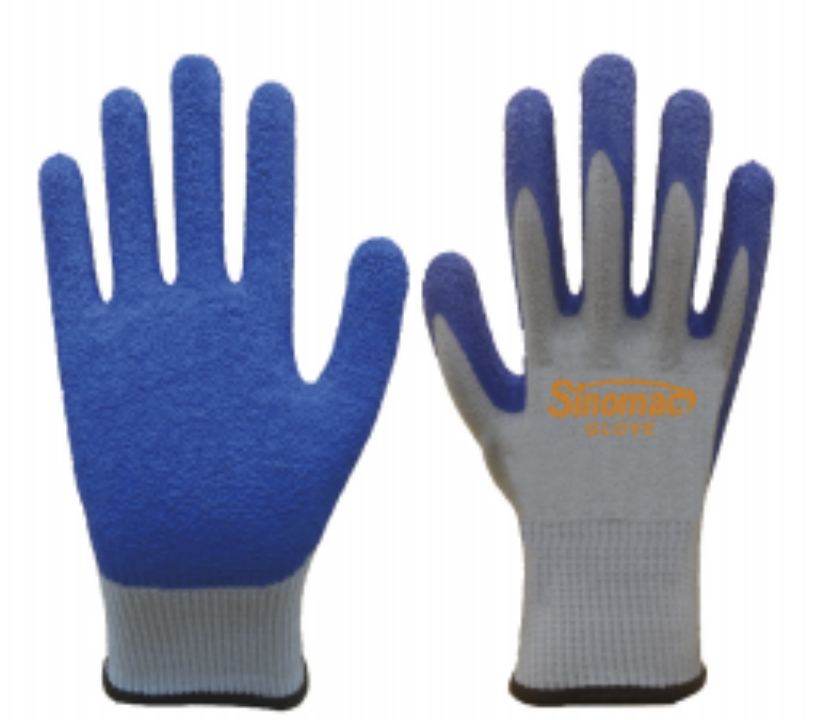
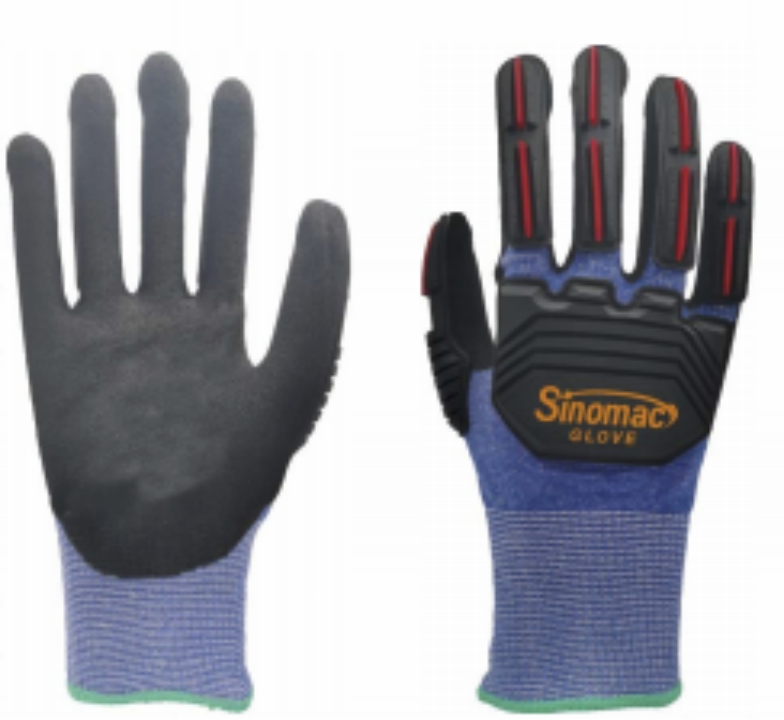
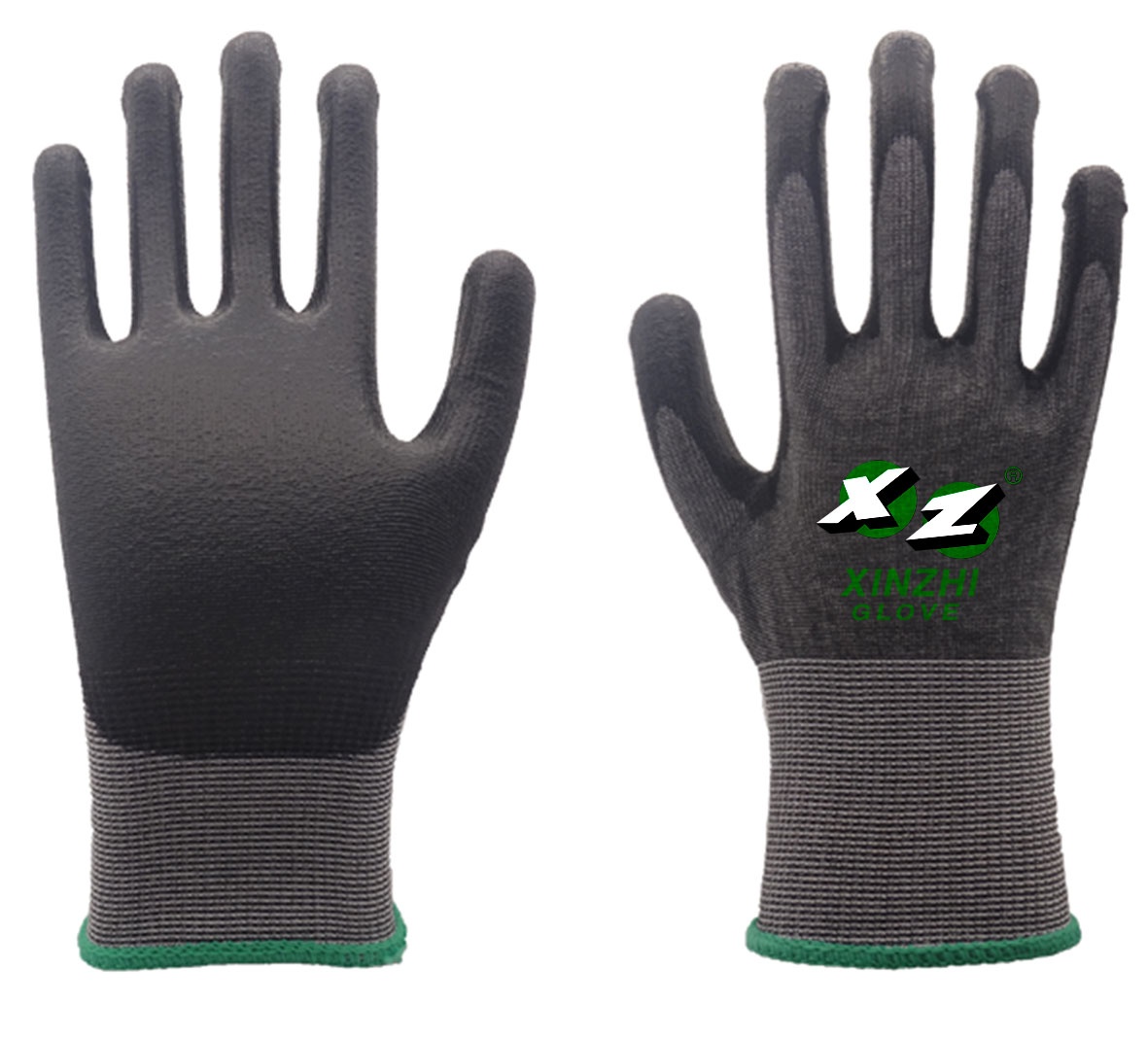
In high-risk industrial environments, hand injuries remain one of the most frequent and costly workplace incidents. A6 cut resistant gloves with PU coating address this challenge by combining top-tier slash protection with the tactile sensitivity workers need to perform precision tasks efficiently. Unlike lower-rated alternatives, A6 cut resistant work gloves are engineered to withstand extreme blade forces while maintaining the glove flexibility that productivity demands.
This article provides procurement managers and EHS officers with a technical breakdown of ANSI/ISEA A6 cut level standards, polyurethane coating performance, real-world industrial deployment scenarios, and actionable sourcing criteria. Whether you are evaluating your current PPE program or sourcing for a new facility, understanding what separates the best cut resistant gloves for industrial use from commodity options will directly impact both safety outcomes and total operational cost.
1. Understanding A6 Cut Resistance: Standards and Protection Levels
1.1 What Does ANSI/ISEA A6 Cut Level Mean?
The ANSI/ISEA 105 standard classifies cut resistance across nine levels (A1–A9) based on the gram-force required to cut through the glove liner using a standardized TDM-100 blade test. A6 is defined by a cut threshold of ≥4,000g and <5,000g of blade force — placing it firmly in the high-protection tier used for environments where sharp metal edges, glass, or stamped components are routinely handled.
To contextualize the protection jump:
- A4 (≥1,500g): Suitable for light assembly and packaging with occasional sharp-edge exposure.
- A5 (≥2,200g): Appropriate for moderate metalworking and sheet handling.
- A6 (≥4,000g): Designed for sustained contact with sharp-edged materials in metal fabrication, automotive stamping, and glass processing.
The step from A5 to A6 is not incremental — it represents a fundamental shift in liner construction and yarn density, making A6 gloves the appropriate specification for operations where a single slip-and-contact incident can cause a severe laceration.
1.2 Core Materials Behind A6 Cut Protection
Achieving A6 performance requires a multi-component yarn architecture. The primary fiber is Hochleistungs-Polyethylen (HPPE), which delivers an exceptional strength-to-weight ratio, allowing thin, flexible glove constructions without sacrificing cut resistance. HPPE alone, however, typically reaches A4–A5 levels.
To reach A6 thresholds, manufacturers integrate reinforcing filaments:
- Stainless steel wire — increases slash resistance significantly; typically 0.05–0.10mm diameter strands interwoven with HPPE.
- Fiberglass filaments — cost-effective reinforcement that adds cut resistance without excessive bulk.
- Tungsten or basalt fiber blends — emerging alternatives offering corrosion resistance and consistent performance in chemically active environments.
Yarn construction density (gauge) also plays a critical role. A tighter knit structure reduces inter-fiber gaps, directly correlating with higher TDM test scores. The result is a liner that resists blade penetration under realistic handling conditions.
Cut Level and Coating Comparison Table
| Parameter | A4 | A5 | A6 |
|---|---|---|---|
| ANSI Blade Force Threshold | ≥1,500g | ≥2,200g | ≥4,000g |
| Typical Liner Fiber | HPPE | HPPE + Glass | HPPE + Steel/Glass |
| Recommended Coating | Nitrile / PU | PU / Nitrile | PU (dry) / Nitrile (wet) |
| Grip Rating (EN 388) | 3–4 | 3–4 | 4 |
| Primary Applications | Light assembly | Sheet metal, packaging | Metal stamping, glass, automotive |
| Glove Weight Class | Light | Light–Medium | Mittel |
2. PU Coating Technology: How It Enhances Grip Without Compromising Flexibility
2.1 PU Coating Structure and Performance Properties
Polyurethane (PU) coating is applied to the palm and fingertips of A6 glove liners through a controlled dip-and-cure process. The result is a micro-foam cellular structure that conforms to surface irregularities, dramatically improving grip on smooth, dry workpieces — a common condition in precision manufacturing and electronics assembly.
Key performance properties of PU coating include:
- Dry grip coefficient: PU outperforms uncoated liners and competes with nitrile on smooth, dry surfaces due to its conformable surface texture.
- Atmungsaktivität: The micro-foam structure allows moisture vapor transmission, reducing hand fatigue and perspiration buildup during extended wear.
- Coating thickness control: Industrial-grade PU coatings are applied at 0.3–0.6mm, thin enough to preserve tactile feedback while providing abrasion resistance rated at EN 388 Level 4.
- Chemical resistance: PU resists mild oils and solvents, maintaining coating integrity in light-duty lubricated environments.
One critical limitation: standard PU coatings are not optimized for heavily oily or wet conditions. In those environments, nitrile foam or sandy nitrile coatings offer superior grip retention.
2.2 Flexibility and Dexterity: Engineering the Balance
The primary complaint about high-cut-resistance gloves is stiffness. A6 gloves with steel or fiberglass reinforcement can feel rigid if construction is not carefully engineered. Manufacturers address this through two primary design strategies:
Knit gauge selection: 13-gauge and 15-gauge knitting machines produce finer, more pliable liners than the 7-gauge or 10-gauge constructions used in heavy-duty gloves. A 15-gauge HPPE/steel liner maintains A6 cut resistance while closely conforming to finger contours.
Finger articulation design: Pre-curved finger channels and seamless knit construction reduce material bunching at the knuckle joints. This allows workers performing repetitive pick-and-place, torque tool operation, or component inspection to sustain performance without grip fatigue.
The combination of a 13/15-gauge liner with PU palm coating produces gloves that score consistently high in standardized dexterity tests — enabling workers to handle fasteners, operate precision instruments, and manage small components without removing PPE.
3. Industrial Applications and Compliance Fit
3.1 High-Risk Industries Where A6 Gloves Are Deployed
A6 cut resistant work gloves are deployed across multiple sectors where sharp-edge exposure is inherent to the workflow:
- Metal stamping and fabrication: Workers handling stamped sheet metal parts, burr-edged components, and raw stock face consistent laceration risk. A6 protection provides the necessary safety margin for sustained contact tasks.
- Automotive assembly: Door panel installation, chassis component handling, and trim assembly involve sharp brackets and fasteners. A6 flexible cut resistant gloves for dexterity allow assembly workers to maintain speed without PPE interference.
- Glass processing: Cutting, sorting, and installing architectural or automotive glass requires both high cut resistance and tactile sensitivity. PU-coated A6 gloves handle dry glass surfaces with reliable grip.
- Recycling and waste processing: Sorting streams containing metal scrap, broken glass, and sharp debris demand maximum liner protection.
- Elektronikfertigung: Thin metal shields, PCB edges, and heat sinks present laceration hazards; 15-gauge A6 gloves with PU coating maintain the precision touch required.
3.2 Regulatory Compliance and Certification Requirements
Buyers sourcing A6 cut resistant gloves for international supply chains must verify compliance against two primary frameworks:
- ANSI/ISEA 105-2016: The U.S. standard governing cut, puncture, and abrasion resistance classification. A6 certification requires third-party TDM-100 blade test documentation.
- EN 388:2016+A1:2018: The European standard for mechanical risk gloves. Cut resistance is reported using both the Coup test (Levels 1–5) and the ISO 13997 TDM test (Levels A–F), where Level F corresponds to approximately A6 ANSI performance.
- CE Marking under PPE Regulation (EU) 2016/425: Required for gloves sold in EU markets. Category III PPE (complex design protecting against irreversible injury) demands EU-type examination by a notified body.
Procurement teams should request test reports from accredited third-party laboratories — not solely manufacturer self-declarations — to confirm genuine compliance.
4. Procurement Considerations: Selecting the Best A6 Cut Resistant Gloves for Industrial Use
4.1 Key Specification Checkpoints for Buyers
When evaluating A6 cut resistant gloves with PU coating, procurement teams should verify the following technical specifications before placing orders:
- Cut level test documentation: Request TDM-100 test reports from ISO 17025-accredited labs. Confirm the tested product SKU matches the supplied product.
- Coating durability: PU coatings should maintain integrity through a minimum of 20–30 industrial wash cycles without delamination or grip degradation. Ask for wash durability data.
- Sizing consistency: For large-scale deployments, size variation between production batches causes fit compliance issues. Request AQL sampling data from the supplier.
- Gauge specification: Confirm 13-gauge or 15-gauge liner construction for applications requiring dexterity.
- MOQ and lead time: Standard A6 glove orders typically carry 500–1,000 pair MOQs with 30–45 day production lead times. Clarify stock availability for urgent reorders.
4.2 Total Cost of Ownership vs. Unit Price
A6 gloves carry a higher unit cost than A4 or A5 alternatives — typically 20–40% more per pair. However, total cost of ownership analysis consistently favors the higher-protection option in high-risk environments:
- Injury cost reduction: A single hand laceration requiring medical treatment, lost work time, and potential OSHA recordable incident costs can exceed $10,000–$40,000 in direct and indirect costs. A6 gloves reduce laceration frequency measurably.
- Glove lifespan: Quality A6 liners with reinforced yarn construction typically last 2–4× longer than A4 equivalents in abrasive environments, reducing replacement frequency.
- Supplier audit value: Certified suppliers with documented QMS (ISO 9001) and PPE compliance programs reduce the risk of non-conforming product entering your supply chain.
Procurement decisions based solely on unit price consistently underestimate the financial and operational impact of inadequate hand protection.
FAQ
1. What is the difference between A6 and A4 cut resistant gloves, and when should I upgrade?
A4 gloves (≥1,500g blade force) are appropriate for light assembly with occasional sharp-edge contact. A6 gloves (≥4,000g) are required when workers have sustained or frequent contact with stamped metal edges, glass, or sharp fabricated components. If your facility has recorded hand lacerations while workers wore A4 or A5 gloves, upgrading to A6 is the evidence-based response.
2. Can A6 cut resistant gloves with PU coating be used in wet or oily work environments?
Standard PU coatings perform best in dry conditions. For environments with light oil or moisture, a PU foam variant offers marginally better wet grip. For heavily oily or wet applications, nitrile foam or sandy nitrile coatings on an A6 liner are the appropriate specification. Always match coating type to the actual surface conditions workers encounter.
3. How do I verify that a supplier’s A6 gloves meet genuine ANSI/ISEA 105 or EN 388 certification standards?
Request third-party test reports from ISO 17025-accredited laboratories, confirming the specific product SKU was tested. For EN 388 compliance in EU markets, request the EU Declaration of Conformity and the notified body certificate number. Cross-reference the notified body number against the NANDO database to confirm its active status.
Schlussfolgerung
A6 cut resistant gloves with PU coating represent a technically mature solution to one of industrial safety’s most persistent challenges: delivering maximum hand protection without the stiffness and reduced dexterity that historically made high-cut-resistance gloves impractical for precision tasks. Through HPPE/steel fiber liner construction, optimized knit gauge engineering, and micro-foam PU coating technology, modern A6 gloves meet the dual demands of ANSI/ISEA 105 and EN 388 compliance while enabling the hand flexibility workers require.
For procurement managers and safety officers, the decision framework is clear: verify cut level test documentation from accredited labs, evaluate coating durability against your wash and use conditions, and calculate total cost of ownership rather than unit price alone. The best cut resistant gloves for industrial use are those that keep workers protected, productive, and compliant — every shift.