



Inledning
Cold weather doesn’t stop essential work. Construction sites, cold storage facilities, and outdoor operations continue even in rain, snow, and freezing temperatures. In these conditions, wet and cold hands can reduce grip, flexibility, and work efficiency.
Unlike ordinary winter gloves, waterproof winter work gloves are designed to provide reliable protection against moisture, low temperatures, and demanding work environments. This guide covers the key factors to consider, including waterproof performance, insulation, grip, and fit, to help you choose the right gloves for your application.
What Separates Waterproof Winter Work Gloves From Ordinary Winter Gloves?
Not all winter gloves provide the same level of protection. Many products labeled as “water-resistant” can handle light moisture but may fail in prolonged exposure to rain, snow, slush, or wet materials. Once water enters the glove, the insulation becomes less effective, making hands colder and reducing comfort and dexterity.
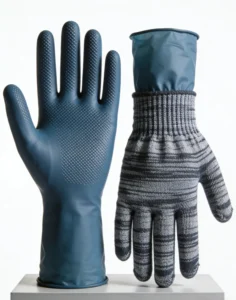
Kvalitet waterproof winter work gloves use dedicated waterproof barriers, such as sealed coatings or waterproof membranes, to prevent moisture from reaching the hands. Unlike surface water-repellent treatments that may wear down over time, these protective layers are integrated into the glove structure to provide more reliable performance in demanding environments.
Here’s a clear breakdown of protection levels:
| Protection Level | Typical Performance | Failure Point | Recommended Use |
|---|---|---|---|
| Water‑resistant | Sheds light snow or brief drizzle | Soaks through after 5‑10 minutes of heavy rain | Quick outdoor tasks, errands |
| Water‑repellent (DWR) | Beads water initially | Coating wears off with abrasion and washing | Occasional light wet work |
| Fully waterproof | Blocks rain, snow, slush, and immersion | Seam failure or water entry at the cuff | Full‑shift work in wet, cold conditions |
When you’re shopping for waterproof winter work gloves, always look for explicit wording like “100% waterproof” or “waterproof membrane” on the packaging. Avoid vague terms like “water‑resistant” if you’ll be exposed to persistent moisture.
Why Insulation Type and Placement Matter in Waterproof Winter Work Gloves
Waterproof protection keeps moisture out, while insulation helps retain body heat. For cold-weather applications, both factors are essential. A glove that prevents water penetration but lacks proper insulation may leave hands cold, while an insulated glove without waterproof protection can lose its thermal performance once it becomes wet.
High-quality waterproof winter work gloves combine a protective outer layer with effective thermal insulation to maintain warmth, comfort, and dexterity during extended use. The choice of insulation material can significantly affect performance in different working environments.
Common insulation options include:
- Thermal fleece – Soft, comfortable, and effective at retaining heat. It is widely used in winter gloves that require warmth and quick drying performance.
- Acrylic fiber – Lightweight and cost-effective, providing moderate insulation without adding excessive bulk.
- Thinsulate™ – A microfiber insulation known for delivering strong warmth without requiring a thick glove structure, helping maintain better hand flexibility.
- Wool or wool blends – Naturally insulating and capable of retaining warmth in damp conditions, although less common in heavy-duty work gloves.
- Foam insulation – Provides additional cushioning and thermal protection but may reduce flexibility in some applications.
Beyond insulation material, placement also affects glove performance. Many cold-weather work gloves use thicker insulation on the back of the hand, where heat loss is greater, while keeping the palm area thinner to improve grip sensitivity. This balance helps workers handle tools and materials more efficiently.
Breathability is another important consideration. Moisture from sweat can reduce warmth if it becomes trapped inside the glove. Features such as moisture-wicking liners and breathable membranes help release vapor while keeping external moisture away.
Choosing the Right Grip Coating for Waterproof Winter Work Gloves
In wet and cold working conditions, grip performance is just as important as warmth. The coating applied to the palm and fingers determines how effectively workers can handle tools, equipment, and materials on slippery or rough surfaces.
Different coatings are suited for different applications:
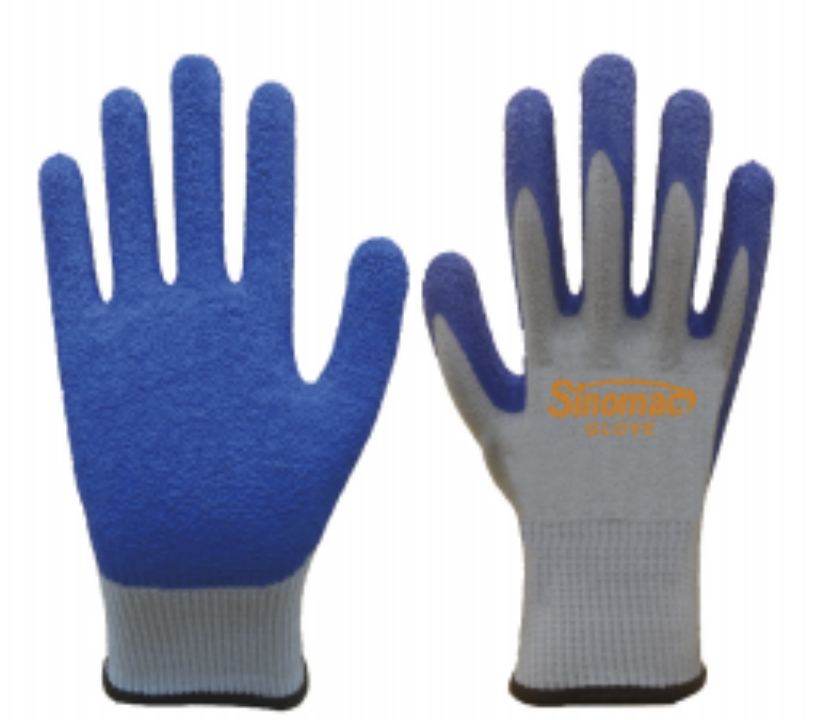
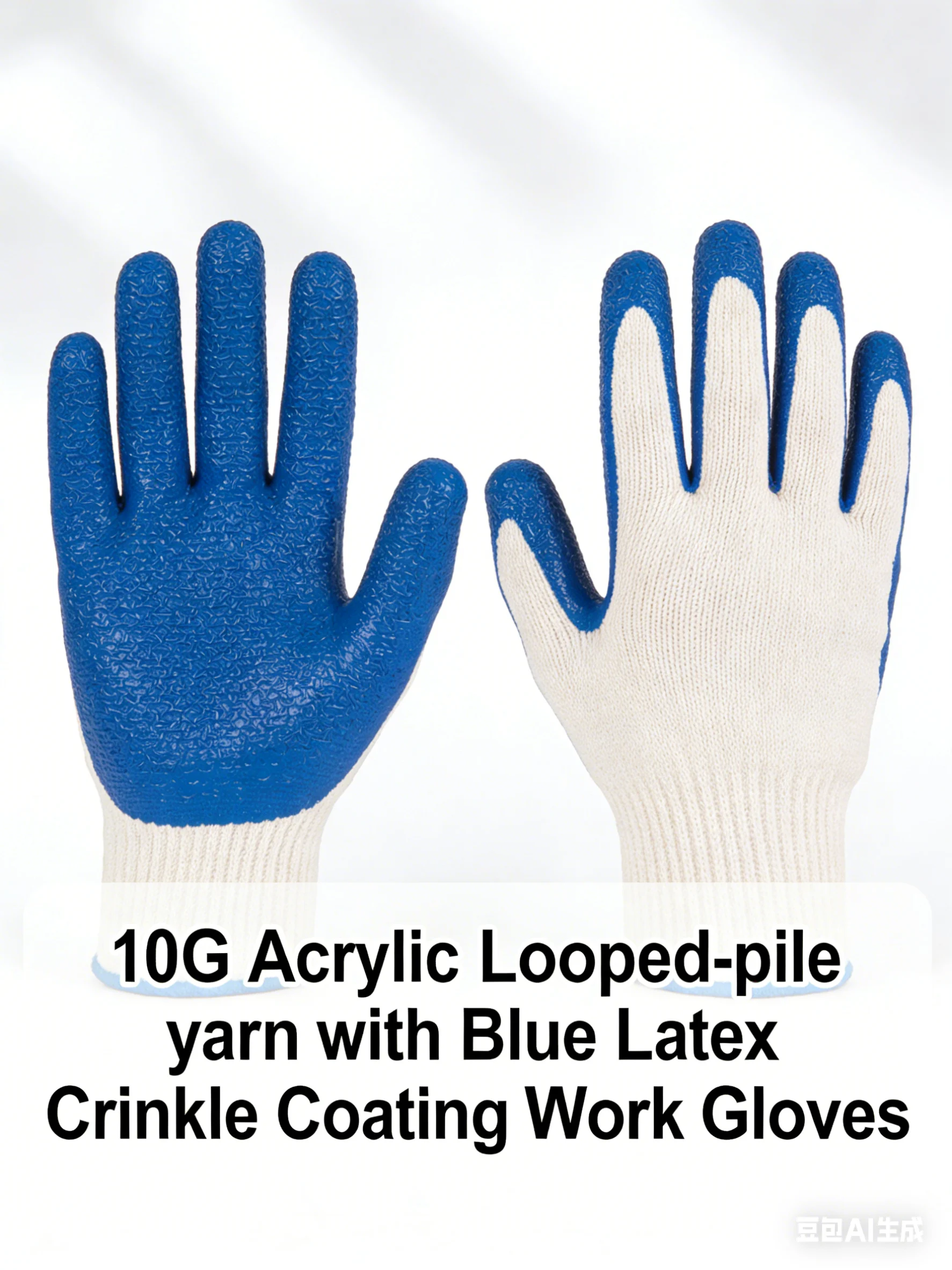
- Sandy latex coating – Provides strong wet grip and flexibility in cold conditions, making it a popular choice for construction, outdoor work, and material handling. The textured surface improves control when handling wood, metal, and other rough materials.
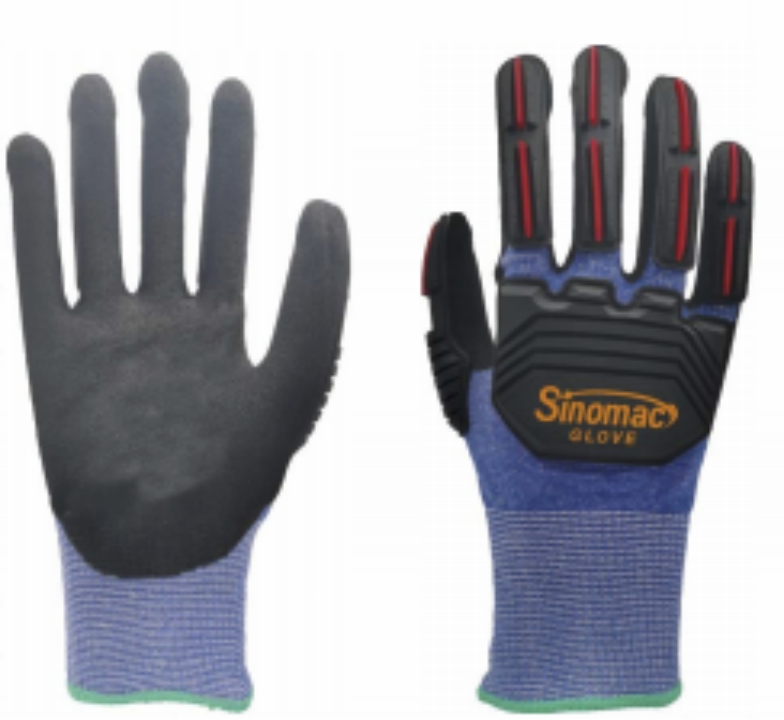
- Nitrile coating – Offers excellent resistance to oils, chemicals, and abrasion. It is often preferred for automotive, industrial, and environments involving contact with greasy or chemical substances.
- PVC coating – Designed for heavy-duty applications where abrasion and puncture resistance are priorities. It is commonly used in mining, manufacturing, and waste handling, although flexibility may decrease in extreme cold.
- PU-beläggning (polyuretan) – Lightweight and flexible, providing good dexterity for tasks that require precise handling. It is better suited for dry, cold environments rather than continuous wet conditions.
| Typ av beläggning | Wet‑Grip Performance | Cold Flexibility | Chemical/Oil Resistance | Motståndskraft mot nötning | Best‑Suited Work Environments |
|---|---|---|---|---|---|
| Sandig latex | Utmärkt | Mycket bra | Dålig | Bra | Construction, outdoor, yard work, wet handling |
| Nitrile | Bra | Bra | Utmärkt | Mycket bra | Automotive, oil/gas, chemical exposure |
| PVC | Fair | Poor (stiffens) | Bra | Utmärkt | Mining, heavy industry, sharp objects |
| PU | Fair | Utmärkt | Måttlig | Måttlig | Light assembly, dry cold storage |
When selecting waterproof winter work gloves, think about the primary hazards you face daily. If you’re constantly handling wet timber or metal, sandy latex is your friend. If oils and solvents are your enemy, nitrile wins. There’s no one‑size‑fits‑all—match the coating to the task.
Fit, Dexterity, and Comfort: Why They Matter in Waterproof Winter Work Gloves
Warmth is important, but it means little if workers cannot properly control their tools. The biggest challenge with waterproof winter work gloves is finding the right balance between insulation and dexterity. Gloves that are too bulky may provide excellent cold protection but limit hand movement and reduce work efficiency.
A proper fit should feel secure without restricting movement. Gloves that are too tight can impair circulation and increase hand fatigue, while oversized gloves may let cold air in and cause unnecessary friction. The ideal fit leaves enough room for natural finger movement while maintaining control and comfort.
Sizing is another important consideration for professional users. Many manufacturers provide sizes from XS to 2XL along with measurement guides based on hand length and circumference. For workers operating in extremely cold environments, slightly larger sizing may also allow space for a thin liner glove when additional warmth is needed.
Dexterity depends not only on size but also on glove construction. Features such as pre-curved fingers, ergonomic designs, reinforced fingertips, and adjustable cuffs help improve flexibility while maintaining protection. These details are especially valuable for tasks that require frequent handling of tools, fasteners, or equipment.
In real working conditions, the best performance comes from the combination of insulation, coating, and ergonomic design. A well-balanced pair of waterproof winter work gloves allows workers to stay protected without sacrificing productivity.
Matching Waterproof Winter Work Gloves to Different Job Environments
Different industries face different cold-weather challenges, so the ideal glove depends on the working environment. A glove designed for freezer storage may not provide the flexibility needed on a construction site.
When selecting waterproof winter work gloves, consider the temperature range, moisture exposure, grip requirements, and potential hazards of the job.
- Cold storage and freezer operations – Extremely low temperatures require strong thermal insulation, such as fleece or Thinsulate™ lining. A reliable waterproof barrier helps prevent moisture from frozen products or condensation from reducing warmth. Extended cuffs and reinforced coatings can provide additional protection.
- Outdoor construction and carpentry – Workers need protection against rain, snow, wind, and abrasive materials. Sandy latex coatings are commonly used for their wet grip and flexibility, while reinforced palms and fingertips improve durability when handling wood, metal, and concrete.
- Logistics and cold warehouse operations – These environments require a balance between warmth and dexterity. Gloves should provide sufficient grip for cartons and equipment while allowing workers to operate scanners or handle smaller items efficiently.
- Oil, gas, and chemical applications – Exposure to oils, fuels, and chemicals requires coatings with stronger resistance, such as nitrile. Longer cuffs may also help reduce exposure risks.
- Mining and heavy industry – These applications demand excellent abrasion and puncture resistance. Durable PVC or heavy-duty nitrile coatings are often preferred where protection is more important than maximum flexibility.
- Road maintenance and utility work – Outdoor maintenance in freezing rain or snow requires waterproof protection, reliable grip, and insulation suitable for long working periods.
- Fishing and marine operations – Continuous exposure to water requires strong waterproof performance and secure grip on wet surfaces. Materials that maintain warmth when damp are particularly valuable.
Understanding the actual working conditions helps buyers choose waterproof winter work gloves that deliver the right combination of safety, comfort, and performance.
Standards and Certifications: What to Look For in Waterproof Winter Work Gloves
For professional applications, safety standards provide valuable information about glove performance. They help buyers evaluate protection against cold temperatures, water penetration, and workplace hazards.
Den EN 511 standard is widely used in Europe to measure protection against cold. It evaluates three key areas:
- Convective cold resistance – Measures protection against heat loss caused by moving air.
- Contact cold resistance – Measures protection when handling cold objects.
- Water penetration resistance – Indicates whether water passes through the glove.
A higher EN 511 rating generally indicates stronger cold-weather protection, making it an important reference when selecting waterproof winter work gloves for wet and low-temperature environments.
In North America, ANSI/ISEA 105 focuses on mechanical risks such as abrasion, puncture, and cut resistance rather than cold protection. However, many industrial gloves combine cold protection with these safety features, especially for construction and manufacturing applications.
Beyond testing standards, certifications such as CE marking can also help buyers evaluate product compliance when sourcing for professional use. For companies purchasing in bulk, checking relevant certifications can reduce safety risks and ensure the gloves meet workplace requirements.
What Workers Look for in Waterproof Winter Work Gloves
User experience often reveals whether a glove performs well in real working conditions. Workers typically prioritize three factors: keeping hands warm, maintaining dryness, and preserving grip.
Common positive feedback for waterproof winter work gloves focuses on:
- Reliable warmth during long hours outdoors or in cold storage environments.
- Waterproof performance when exposed to rain, snow, or wet materials.
- Sufficient flexibility for handling tools and equipment.
At the same time, some users report issues with gloves that are too bulky, lack sufficient insulation, or lose grip when wet. These concerns highlight why buyers should evaluate insulation thickness, coating type, and application requirements before making a purchase.
A glove that works well for freezer operations may feel too heavy for precision tasks, while a lightweight glove may not provide enough protection for extreme outdoor conditions. Choosing based on actual job requirements is the key to better performance.
Maintenance Tips to Extend the Life of Your Waterproof Winter Work Gloves
Even durable waterproof winter work gloves require proper care to maintain their protective performance. Regular maintenance helps extend service life and prevents premature failure.
- Dry gloves completely after use – Moisture from sweat or external exposure can reduce insulation performance over time. Allow gloves to air dry naturally and avoid direct heat sources that may damage coatings or materials.
- Clean regularly – Dirt, oil, and debris can reduce grip performance and accelerate material wear. Follow the manufacturer’s cleaning recommendations and avoid harsh chemicals that may affect waterproof layers.
- Inspect for damage – Check seams, coatings, fingertips, and palm areas regularly. Small tears or worn sections can compromise waterproof protection and should be addressed promptly.
- Store properly – Keep gloves in a dry, ventilated area away from direct sunlight. For teams using multiple pairs, rotating gloves allows each pair to dry fully between shifts.
With proper care, waterproof winter work gloves can maintain their warmth, grip, and protective performance through multiple seasons.
Choose Gloves Built for Winter Work
In cold and wet environments, waterproof winter work gloves are essential for maintaining safety, comfort, and productivity. The right pair helps keep hands warm and dry while providing the grip and flexibility needed for demanding tasks.
When selecting winter gloves, consider waterproof protection, insulation performance, grip coating, and fit. Choosing the right combination of features can help reduce downtime and improve working efficiency in challenging conditions.
Our 10-Gauge Thermal Insulated Waterproof Winter Work Gloves are designed with a thermal fleece lining, sandy latex coating, and waterproof construction to provide reliable cold protection and wet grip for construction, cold storage, logistics, and outdoor applications.
Contact us to learn more about winter work gloves built for demanding environments.