



Introduction
Dyneema fiber is up to 15 times stronger than quality steel on a weight-for-weight basis, yet it floats on water. That combination of extreme strength and ultralight weight is exactly what makes Dyneema cut resistant gloves so effective for hand protection. A worker who refuses to wear bulky, heavy gloves will wear a comfortable, breathable pair of Dyneema cut resistant gloves—and a worn glove is the only glove that actually protects.
Hand injuries account for nearly 23% of workplace injuries, according to Bureau of Labor Statistics data, and the majority of those are cuts and lacerations. The financial impact is severe: each severe laceration costs an average of 21,000–45,000 in medical treatment and downtime. But the real failure mode in hand protection is not inadequate materials—it is gloves left in the toolbox because they are too thick, too hot, or too stiff. High-quality Dyneema cut resistant gloves solve this problem by delivering high cut protection in a thin, breathable format that workers actually want to wear.
This article explains the material science behind the fiber, how cut resistance is tested and rated, and how to choose the right Dyneema cut resistant gloves for your specific work environment.
What Makes Dyneema Different from Other Cut-Resistant Materials
Dyneema cut resistant gloves are made from an ultra-high molecular weight polyethylene (UHMWPE) fiber. Its molecular chains are extremely long and aligned in the same direction, which gives it exceptional tensile strength. For hand protection, three properties matter most.
Strength-to-weight ratio. Dyneema is up to 15 times stronger than quality steel on a weight-for-weight basis and up to 40% stronger than aramid fibers like Kevlar. This means a thin, lightweight Dyneema cut resistant glove can provide the same cut resistance as a much thicker glove made from other materials. Thinner gloves mean better dexterity, better tactile sensitivity, and less hand fatigue. Many Dyneema cut resistant gloves achieve A3–A5 cut levels while weighing much less than steel-reinforced alternatives.
Floatation and moisture management. Dyneema has a density less than 1.0 g/cm³, which means it floats. More relevant to daily wear, the fiber transports moisture away from the skin and adapts to skin temperature, keeping hands cool and dry during long shifts. Workers in hot environments consistently prefer Dyneema cut resistant gloves over aramid or fiberglass options because of this breathability.
Durability. Dyneema resists moisture, ultraviolet light, and most chemicals. The fiber does not degrade significantly with washing, allowing Dyneema cut resistant gloves to be cleaned and reused multiple times without losing protective performance. This makes them cost-effective over time compared to disposable alternatives.
How Cut Resistance Testing Works for Dyneema Cut Resistant Gloves
Understanding how cut resistance is measured helps explain why Dyneema cut resistant gloves perform so well. Two main standards dominate the market: ANSI/ISEA 105 in North America and EN 388 in Europe and many other regions.
ANSI/ISEA 105 uses a testing machine that draws a straight blade across the material under increasing loads. The cut level (A1 through A9) corresponds to the force in grams required to cut through the sample. Dyneema cut resistant gloves are commonly available in levels A2 through A7, with Diamond Technology versions reaching higher levels without steel or fiberglass.
| ANSI Level | Cut Force (grams) | Typical Applications |
|---|---|---|
| A1 | 200–499 | Light assembly, paper handling |
| A2 | 500–999 | Warehouse picking, strapping removal |
| A3 | 1,000–1,499 | Sheet metal, light glass work |
| A4 | 1,500–2,199 | Metal stamping, automotive assembly |
| A5 | 2,200–2,999 | Glass panels, sharp automotive parts |
| A6 | 3,000–3,999 | Sharp sheet metal, aggressive edges |
| A7+ | 4,000+ | Heavy metal processing, steel slitting |
EN 388 uses two tests. The older coupe test (result 1–5) uses a rotating circular blade. The more accurate ISO 13997 test uses a straight blade and produces an alphabetic rating from A (lowest) to F (highest) based on the force in Newtons required to cut through the material. Most Dyneema cut resistant gloves intended for industrial use carry both ANSI and EN388 markings.
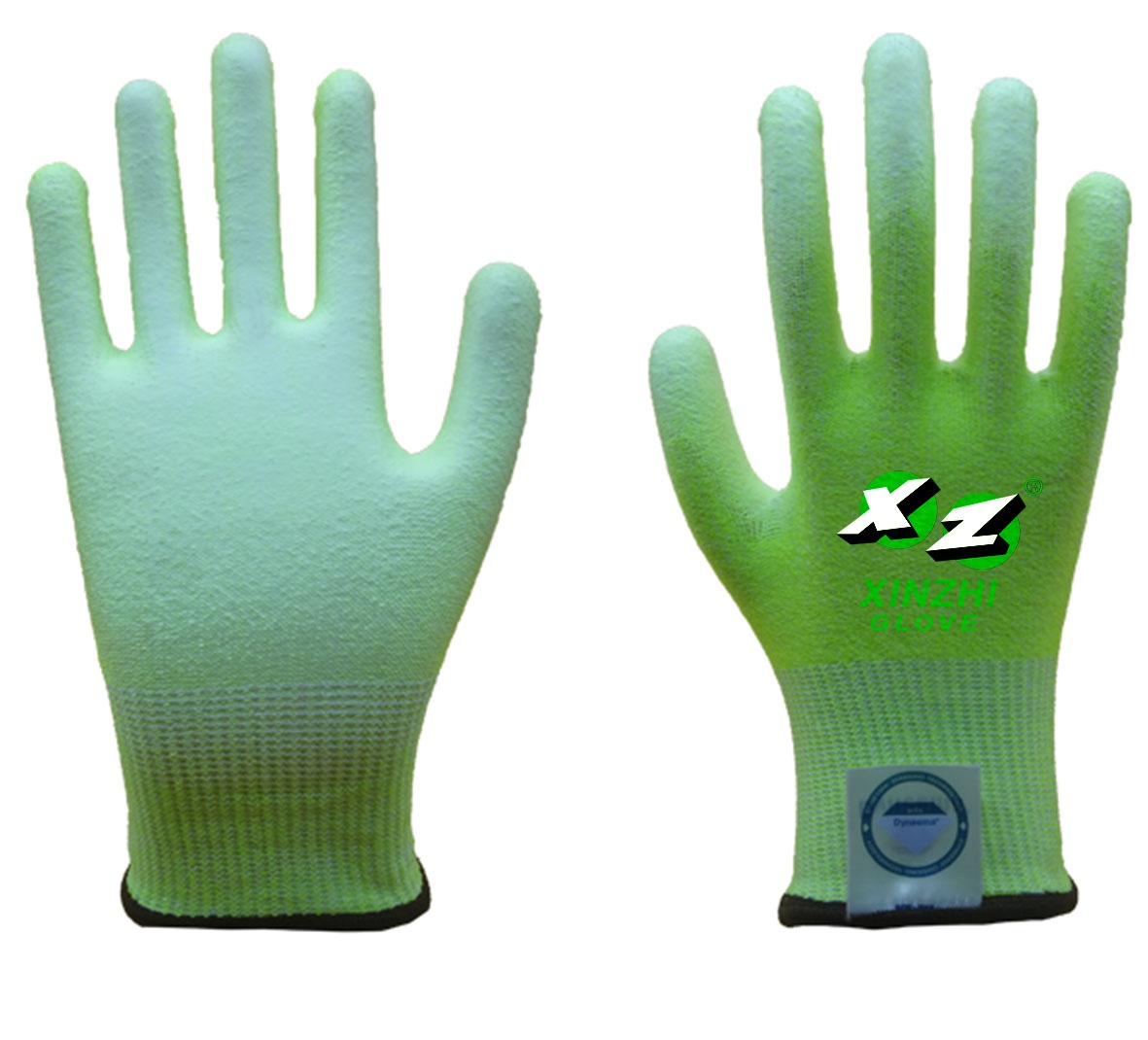
For the gloves featured on Xinzhu Safety‘s product page, the 13-gauge Dyneema cut resistant gloves with PU coating offer ANSI A3 cut protection. The seamless knitted shell combines lightweight flexibility with reliable cut resistance for tasks like metal processing, glass handling, and automotive assembly.
Material Science: Why Dyneema Cut Resistant Glasses Outperform Other Fibers
A direct material comparison helps clarify the trade-offs:
| Fiber | Strength (weight-for-weight) | Comfort | Heat Resistance | Best Applications |
|---|---|---|---|---|
| Dyneema (HPPE) | Up to 15x steel | Excellent — lightweight, cool | Low — not for welding | General cut protection, high dexterity |
| Kevlar (aramid) | 5x steel | Lower — heavier, less breathable | High — chars at 800°F | Heat + cut applications |
| Stainless steel mesh | Very high | Poor — heavy, stiff | High | Food processing, meat cutting |
| Fiberglass composites | High | Poor — itchy, stiff | Medium | High-cut industrial applications |
The table highlights a key trade-off: materials that provide higher cut resistance often sacrifice comfort. Steel and fiberglass-reinforced gloves can achieve A5 or A6 cut levels, but workers frequently remove them because they are heavy, stiff, and hot. Dyneema cut resistant gloves sit in the sweet spot: high protection with low weight and good breathability. Comfort is not a luxury; it is a safety requirement. If workers remove their Dyneema cut resistant gloves mid-shift, the gloves provide zero protection.
One safety professional with years of factory floor experience put it bluntly: “I learned this the hard way on a factory floor. A team insisted on the highest cut gloves available. They hated the stiffness, ditched the gloves mid-shift, and we had nicks by lunch. We dropped to a breathable pair of Dyneema cut resistant gloves with a sandy nitrile palm. Incidents fell to zero because people actually wore them.”
New Technology: Dyneema Diamond and Single-Yarn Construction
Traditional high-cut gloves achieve their protection through composite yarns—blending Dyneema with fiberglass, stainless steel, or both. These reinforcements add weight, reduce flexibility, and create discomfort. Fiberglass can cause skin irritation over time. Stainless steel makes the glove heavy and less dexterous. Many users of older Dyneema cut resistant gloves complained about the itchy feel of fiberglass blends.
Dyneema Diamond Technology solves this problem by embedding cut-resistant microparticles directly into the polymer itself during manufacturing. The result is a single-yarn Dyneema cut resistant glove with built-in cut resistance that requires no reinforcement fibers. The performance gains are measurable: Dyneema Diamond Technology fiber offers a 200% improvement in cut resistance over standard Dyneema fiber and is 40% lighter than aramid fiber. Gloves made with third-generation Dyneema Diamond 3.0 are up to 40% lighter than previous generations and deliver six times higher cut resistance than generic HPPE fiber. These next-generation Dyneema cut resistant gloves are changing safety compliance rates in automotive and metal fabrication plants.
From a workplace safety perspective, the most important feature of Diamond Technology is that it eliminates the trade-off between protection and comfort. Workers no longer have to choose between safety and dexterity. A thin, lightweight, breathable pair of Dyneema cut resistant gloves can now achieve A3, A4, or even higher cut levels without the bulk or stiffness of reinforced alternatives.
Coating Selection: What PU, Nitrile, and Foam Do
The fiber provides cut resistance, but the coating determines grip, durability, and suitability for specific environments. The product page example uses a foam nitrile coating on the palm and fingers, described as providing “superior grip, cushioning, and excellent abrasion resistance” with “enhanced grip performance in dry, wet, and light oil working environments.” When selecting Dyneema cut resistant gloves, matching the coating to your work surface is as important as the cut level.
Here is how different coatings perform in practice:
PU (polyurethane) coating provides excellent tactile sensitivity and grip on dry, clean surfaces. It is thin and flexible, making it ideal for tasks that require fine dexterity, such as precision assembly or quality inspection. However, PU performs poorly with any oil or wetness. For dry assembly lines, PU-coated Dyneema cut resistant gloves are a popular choice.
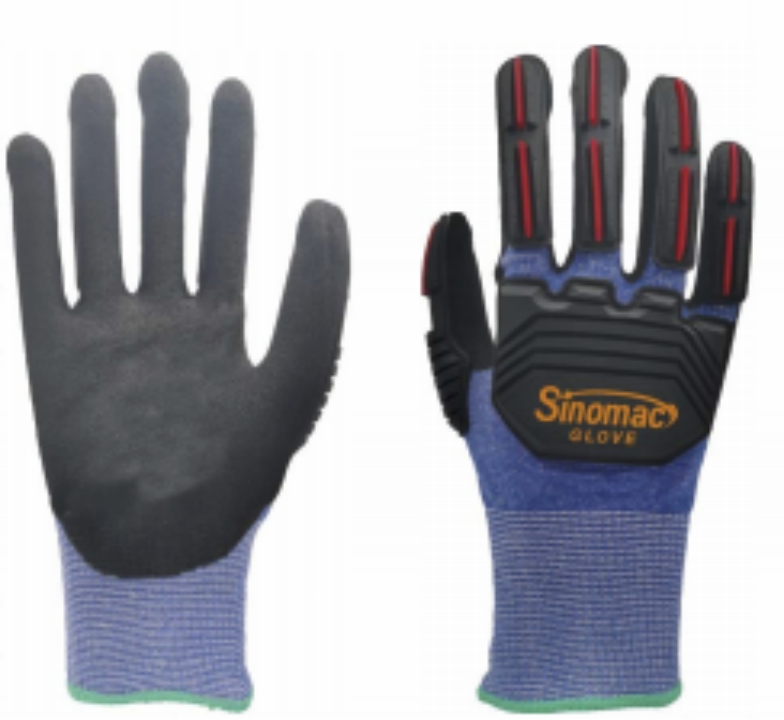
Foam nitrile coating uses a textured, porous surface that channels oil away from the contact area, maintaining grip even on light-to-medium oil conditions. The foam structure also adds cushioning, reducing hand fatigue during repetitive gripping tasks. This is the most versatile coating across automotive, metalworking, and general industrial applications. Many Dyneema cut resistant gloves for automotive assembly use foam nitrile.
Sandy nitrile coating adds an aggressive, sandpaper-like texture for maximum grip on heavy oil or slippery wet surfaces. However, the texture reduces tactile sensitivity and can be uncomfortable for extended fine work. This coating is best for environments where grip is the priority over dexterity.
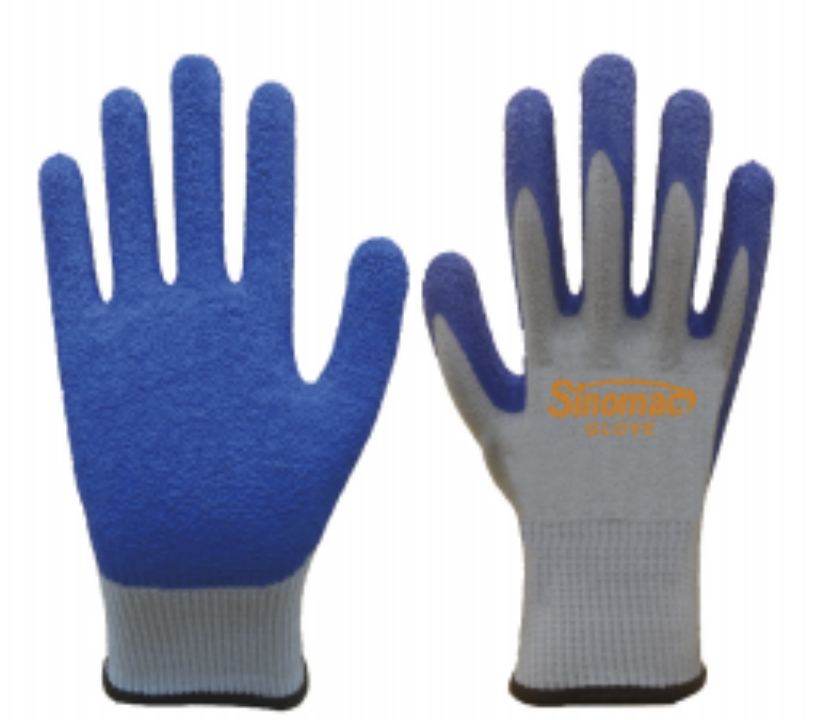
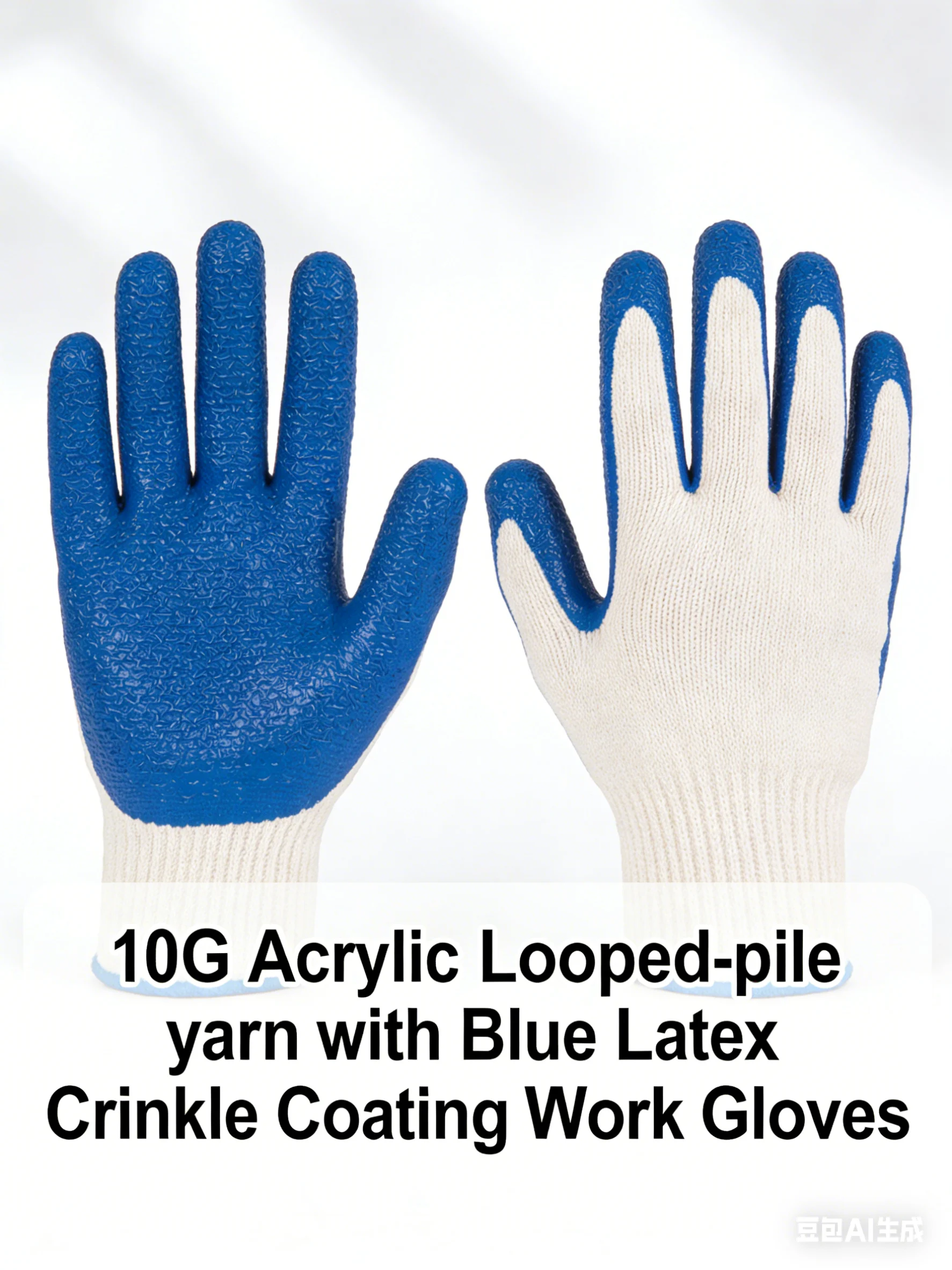
Latex crinkle coating provides excellent wet grip but has lower chemical resistance than nitrile.
Coating selection directly affects whether workers will actually wear their Dyneema cut resistant gloves. An oily steel environment requires nitrile or sandy nitrile, not PU. A dry assembly line requires PU tactile sensitivity, not heavy, sandy coating. Safety managers who match coating to the actual work surface see significantly higher compliance rates.
Matching Cut Levels to Real-World Tasks
Different jobs require different Dyneema cut resistant gloves levels. The table below provides a practical reference:
| Application | Recommended ANSI Level | Recommended EN388 Level | Key Considerations |
|---|---|---|---|
| Light assembly, picking, and packaging | A2–A3 | C–D | Emphasis on dexterity |
| Sheet metal handling, light fabrication | A3–A4 | D–E | Mixed burrs, repetitive contact |
| Glass handling, metal stamping | A4–A5 | D–E | Long edges, high contact time |
| Automotive assembly, door panels | A4–A5 | D–E | Oil exposure favors foam nitrile |
| HVAC, stamped parts | A4–A5 | D–E | Balanced protection and comfort |
| Demolition, recycling, and scrap | A6–A8 | E–F | Irregular hazards |
| Heavy metal processing, steel slitting | A7–A9 | F | Extreme hazards |
For glass handling specifically, a material handler reported: “Good pair of Dyneema cut resistant gloves for handling sharp material like glass, brick, metal, or tool blades.” Another user noted that for cleaning up demolition sites, cut-resistant gloves worked well against glass and metal edge cuts, though they warned that hidden sharp corners can still puncture traditional gloves. This underscores why cut level alone is not enough—a glove must also fit well to provide full protection.
User Experiences: What Workers Actually Report
Field feedback reveals patterns that laboratory tests do not capture. Across multiple industries, users consistently praise Dyneema cut resistant gloves for their comfort and real-world protection.
Positive feedback. In a glass manufacturing setting where employees used nitrile-coated gloves for handling panels, “within one week, two severe cuts occurred.” The root cause was poor cut performance of the previous gloves. The company upgraded to Dyneema cut resistant gloves reinforced with HPPE, and incident rates dropped by 80%. In an automotive assembly environment, “workers rejected high-cut gloves because they were bulky and sweaty.” The switch to breathable Dyneema cut resistant gloves with foam nitrile palms improved compliance and eliminated laceration cases.
A demolition worker shared: “We wore the Dyneema cut resistant gloves while cleaning up a demolition dump site. They worked great against glass and metal edge cuts.” Another user in metal handling noted: “I used the measurement chart and rounded up—very flexible.”
Negative feedback and lessons learned. Not every tough environment is solved by simply moving up cut levels. A safety professional recounted how a team demanded the highest possible cut-rated glove, only to abandon them mid-shift due to stiffness. The solution was not thicker, heavier gloves, but a breathable pair of Dyneema cut resistant gloves rated A5 with an optimized coating. After switching, incidents dropped to zero. This reinforces that comfort drives compliance, and Dyneema cut resistant gloves excel at providing both.
When Higher Cut Level Is Not the Answer
Selecting the highest cut rating available is often a mistake. The correct approach is to match the Dyneema cut resistant gloves to the actual hazard, not to assume higher numbers are always better.
Scenario: Light assembly with occasional sharp edges. A fabricator insisted on A6 gloves for a team handling stamped metal parts with smooth edges. The gloves were heavy and reduced dexterity. Workers removed them, causing a nick injury. A4 Dyneema cut resistant gloves with better dexterity and breathability were substituted, and compliance improved to 95%.
Scenario: Glass handling—smooth surfaces but sharp edges. This requires A4–A6 depending on edge sharpness and handling duration. A foam nitrile coating works best because nitrile handles oils from glass cutting equipment. PU-coated Dyneema cut resistant gloves lose grip if glass is wet or oily.
Scenario: Recycling / scrap sorting—unknown irregular hazards. This demands A6–A8. Lower-rated Dyneema cut resistant gloves risk catastrophic failure around jagged metal edges. For this environment, Dyneema Diamond or composite construction is recommended.
The rule of thumb: match cut level to risk, not ego. Light trim requires A2–A3. Sheet metal or glass requires A4–A5. Aggressive edges or long exposure requires A6–A9. If you are between levels, size up; the cost delta is smaller than a lost-time incident. Dyneema cut resistant gloves are available across all these levels, so you can dial in exactly what you need.
Recommendations for Different Applications
Automotive Assembly
Hazards: Sheet metal edges, sharp fasteners, oily parts, repetitive gripping.
Recommended cut level for Dyneema cut resistant gloves: A4–A5 (ANSI) / D–E (EN388).
Coating: Foam nitrile for light-to-moderate oil conditions. PU works for dry assemblies.
Why: Workers in automotive have rejected heavy high-cut gloves. Lightweight Dyneema cut resistant gloves with foam nitrile balance protection and comfort, directly improving wear compliance.
Glass Handling and Manufacturing
Hazards: Sharp edges, clean or lightly oiled glass, extended edge contact.
Recommended cut level: A4–A6. Industry guidance specifically lists glass handling at A4–A5.
Coating: Foam nitrile for wet or oily glass; PU for dry, clean glass.
Why: Glass handling requires the balance of cut resistance and grip. Dyneema cut resistant gloves with foam nitrile coating are the most common choice in glass plants.
Sheet Metal and Metal Fabrication
Hazards: Sharp burrs, repetitive handling, mixed dry and oily surfaces.
Recommended cut level: A4–A5.
Coating: Foam nitrile for oily conditions; sandy nitrile for heavy oil; PU for dry clean parts.
Why: Sheet metal tasks involve high repetition. A heavy glove induces fatigue. Lightweight Dyneema cut resistant gloves reduce hand fatigue and maintain compliance.
Warehouse Picking and Logistics
Hazards: Opening cartons, strapping removal, handling boxes with metal staples.
Recommended cut level: A2–A3.
Coating: PU for dry cardboard; foam nitrile for dusty or slightly damp conditions.
Why: Warehouse tasks involve low cut forces but high repetition. Over-speccing Dyneema cut resistant gloves to A5 adds unnecessary cost and bulk.
Construction and Demolition
Hazards: Irregular sharp edges, hidden hazards, broken glass.
Recommended cut level: A6–A8.
Coating: Sandy nitrile or hybrid for high grip.
Why: Demolition environments produce unpredictable hazards. Heavy-duty Dyneema cut resistant gloves with sandy coating are preferred.
FAQ
Q1: What ANSI cut level do most Dyneema cut resistant gloves provide?
Most Dyneema cut resistant gloves used in automotive assembly, warehouse handling, and sheet metal fabrication range from ANSI A2 to A7+. Lightweight 13-gauge gloves are commonly rated A3–A4 for balanced protection and dexterity, while reinforced or Diamond Technology gloves can achieve A5–A7+ cut resistance for higher-risk applications.
Q2: Can I wash and reuse Dyneema cut resistant gloves?
Yes. Most Dyneema cut resistant gloves are designed for repeated industrial use and can maintain their cut protection performance after multiple wash cycles. The fiber resists moisture and abrasion well, making these gloves suitable for long-term use in metal fabrication, logistics, and glass handling environments. Always follow the manufacturer’s washing instructions and avoid high-temperature drying.
Q3: Are Dyneema cut resistant gloves completely cut-proof?
No. “Cut-resistant” is the correct term. No industrial safety glove is completely cut-proof. Dyneema cut resistant gloves reduce the risk of cuts and lacerations from sharp edges, sheet metal, glass, and tools, but they should never be used directly against moving blades, saws, or rotating machinery.
Q4: How do Dyneema cut resistant gloves compare to stainless steel mesh gloves?
Stainless steel mesh gloves provide extremely high cut protection but are heavy, rigid, and less comfortable for long shifts. Dyneema cut resistant gloves are much lighter, more breathable, and more flexible, making them a better choice for general industrial work, automotive assembly, warehouse operations, and metal handling tasks that require dexterity.
Q5: Do Dyneema cut resistant gloves protect against punctures?
Not completely. Cut resistance and puncture resistance are different safety properties. Dyneema cut resistant gloves perform well against sharp edges and slicing hazards, but pointed objects such as nails, wires, or sharp metal corners can still penetrate the glove. For puncture-heavy environments, additional palm reinforcement or specialized puncture-resistant gloves may be required.
Q6: Which industries use Dyneema cut resistant gloves most often?
Dyneema cut resistant gloves are widely used in automotive manufacturing, glass handling, sheet metal fabrication, warehouse logistics, recycling, HVAC installation, construction, and food processing. They are especially popular in industries that require a balance of cut protection, lightweight comfort, grip, and long-term wearability.
Conclusion
Dyneema cut resistant gloves work because they solve the fundamental tension in hand protection. The fiber is strong enough to stop cuts from glass, metal, and sharp edges. It is light enough and breathable enough that workers wear them shift after shift. New Diamond Technology eliminates the need for uncomfortable steel and fiberglass reinforcements, achieving higher cut levels in thinner, cooler gloves.
The correct pair of Dyneema cut resistant gloves is not the highest cut level available. It is the pair that matches your actual hazards, fits comfortably, and gets worn consistently. A glove left in a toolbox protects no one. A glove on a hand—even one with a lower cut rating—prevents injuries every day.
At Xinzhu Safety, we manufacture Dyneema cut resistant gloves with PU and foam nitrile coatings, available in ANSI A3 to A5 cut levels across 13-gauge and 15-gauge constructions. Our gloves are certified to EN388 and ANSI standards and used in automotive, glass handling, metal fabrication, and construction applications worldwide.
If your team handles sharp edges in oil, wet, or mixed conditions, our foam nitrile coated A4–A5 Dyneema cut resistant gloves provide the balance of cut resistance, grip, and breathability that keeps workers safe and compliant. Contact us with your material type, handling environment, and cut level requirement. We will help you select the right specification and send sample pairs for on-site testing.