



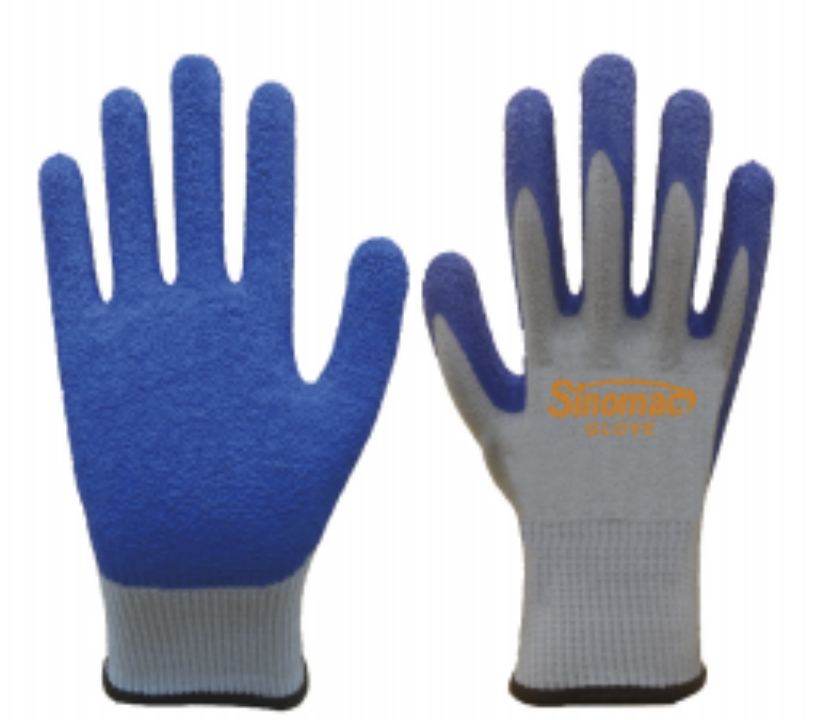

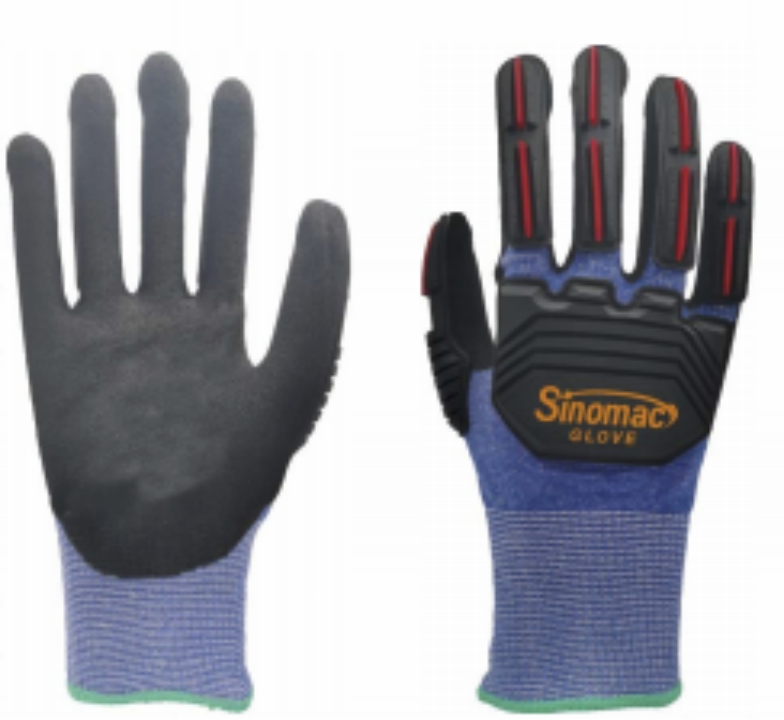
Introduction
Every year, billions of single-use, disposable gloves make their way to landfills, taking hundreds of years to decompose. At the same time, stricter safety standards at work call for better protection, longer durability, and increased performance of industrial gloves.
This has the double benefit of avoiding this pollution and promoting the reuse of nylon safety gloves. This glove is crafted from repurposed waste materials such as fishing nets, carpet flooring, and industrial scrap, with no sacrifice to features such as strength, flexibility, and cut resistance to freshly manufactured nylon gloves. Moreover, major suppliers, such as Ansell, HexArmor, Tilsatec, and others, already offer gloves with liners that contain up to 90% or more of recycled nylon. Opt for green nylon safety gloves; you won’t need to compromise safety for the environment.
This article will argue that reusing nylon safety gloves is not only better for the environment but is often a superior option for workplace safety, as they are long-lasting, perform at least as well as virgin nylon gloves, and can help organizations reach sustainability targets.
What Are Recycled Nylon Safety Gloves? The Technology Behind the Material
Before comparing performance, it helps to understand exactly what recycled nylon safety gloves are and how the recycled nylon yarn is produced. The material does not come from melting down old gloves of unknown quality. Instead, it comes from sophisticated recovery processes. When you specify recycled nylon safety gloves, you are getting a high‑tech, engineered material.
From Waste to Yarn: How Recycled Nylon Is Made
Modern recycled nylon typically comes from two sources: pre-consumer waste and post-consumer waste. Pre-consumer waste includes factory scraps, leftover yarn, and imperfect materials from the manufacturing process. Post-consumer waste includes discarded fishing nets (often called “ghost nets”), old carpet flooring, and industrial plastic waste.
The Econyl process, developed by Aquafil, is the industry standard. Waste materials are sorted, cleaned, and shredded. They then undergo depolymerization, breaking nylon down to its molecular level back to caprolactam. This caprolactam is re-polymerized into fresh nylon chips, then melted and extruded into brand-new yarn.
Because the material is rebuilt at the molecular level, the resulting fiber is indistinguishable from virgin nylon. Under a microscope, you cannot tell the difference. In tensile strength tests, recycled nylon performs within 2% of virgin nylon. In dye uptake, it is identical. This quality consistency is essential for safety gloves, where material failure is not an option. That is why recycled nylon safety gloves are trusted for demanding industrial tasks.
Key Technical Specifications of Xinzhu’s Recycled Nylon Safety Gloves
Xinzhu’s 15-gauge recycled nylon safety gloves are designed for real-world industrial applications. The core specifications include:
-
Liner material: 15-gauge recycled nylon yarn, compatible with EN 420 standards
-
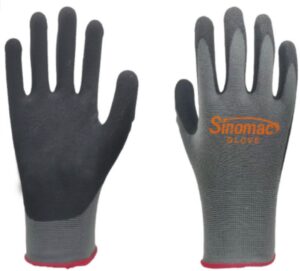
Coating: Black sandy nitrile palm coating for superior grip and abrasion resistance
-
Design: Seamless knitted construction for enhanced comfort and breathability
-
Surface: Foam sandy finish for effective grip in both dry and oily conditions
-
Cuff: Elasticated knitted wrist to prevent dirt and debris from entering the glove
-
Applications: Assembly, automotive, construction, maintenance, logistics, warehousing, and general handling
The 15-gauge construction offers an excellent balance of durability and dexterity. A higher gauge number means finer yarn and thinner fabric. At 15-gauge, these gloves provide more protection than ultra-light 18-gauge gloves while maintaining much better tactile sensitivity than heavy 10-gauge or 13-gauge options. This makes them ideal for precision tasks that still require serious abrasion and cut protection.
Myth Busted: Recycled Nylon and Safety Performance
A common concern about recycled nylon safety gloves is whether they can perform as well as virgin nylon gloves. In practice, the answer is yes. Modern recycled nylon offers very similar strength, appearance, and durability to traditional materials. The key difference lies in environmental impact rather than safety performance, and in some cases, recycled nylon even shows more consistent quality due to controlled production processes.
Performance Under Industrial Standards
Testing shows that high-quality recycled nylon retains almost the same mechanical properties as virgin nylon. Differences in tensile strength, abrasion resistance, and tear resistance are minimal, typically within a very small margin.
In industrial use, recycled nylon safety gloves can still achieve ANSI-rated protection levels (A1 to A6 for cut resistance, depending on construction), along with strong abrasion resistance. This means they provide the same level of practical hand protection in real working environments.
Why Nylon Still Works Well for Safety Gloves
Nylon itself is already a strong material for protective gloves. It is known for high wear resistance, good elasticity, and shape recovery, which helps gloves maintain fit during long use. Its smooth surface also improves comfort and reduces skin irritation during extended wear.
In addition, nylon performs well in environments where resistance to abrasion and light chemical exposure is required, making it suitable for a wide range of industrial applications.
Comparing Recycled Nylon Safety Gloves to Virgin Nylon Gloves
Direct Comparison Table
| Property | Recycled Nylon Safety Gloves | Virgin Nylon Safety Gloves |
|---|---|---|
| Tensile strength retention | 98-99% (high-quality chemically recycled) | 100% (baseline) |
| Wear/abrasion resistance | Excellent (nylon ranks first among fabrics) | Excellent (identical to recycled) |
| Elasticity and recovery | Good to excellent | Good to excellent |
| Cut resistance achievable | ANSI A1 to A6 (depending on blend) | ANSI A1 to A6 |
| Surface smoothness | Smooth, low friction | Smooth, low friction |
| Chemical/alkali resistance | Strong | Strong |
| Environmental footprint | 80-90% reduced carbon emissions; up to 90% less water | Baseline (higher) |
| Cost | Comparable to mid-range premium gloves | Comparable |
| Sourcing availability | Growing (major manufacturers now producing) | Widely available |
What the Data Shows
For most industrial applications, recycled nylon safety gloves offer performance equal to their virgin counterparts. The short answer is that modern recycled nylon is virtually identical to virgin nylon in performance, appearance, and durability. The difference is not in the fabric you feel. It is in the environmental impact and the story you tell. When you choose recycled nylon safety gloves, you are making a choice that benefits both your workers and the planet.
Recycled nylon reduces global warming impact by up to 90% compared with the material sourced from oil. It uses less water. It diverts waste from landfills and oceans. For facilities tracking sustainability metrics—such as carbon footprint, water usage, or waste diversion—switching to recycled nylon is an immediate and measurable improvement.
Environmental Benefits That Also Support Workplace Safety
The environmental advantages of recycled nylon safety gloves are well documented. However, these benefits also contribute indirectly to workplace safety outcomes.
Measurable Carbon and Water Savings
Recycled nylon produces dramatically lower emissions. The production process can reduce the global warming impact of nylon by up to 90% compared with virgin material from oil. In practical terms, switching to recycled nylon liners can reduce a company’s greenhouse gas emissions significantly per pair. Manufacturers such as Ansell have published specific figures: their HyFlex 11-842 glove’s recycled nylon liner reduces the carbon footprint by 75 grams of CO{eq} per pair.
Water savings are equally impressive. Recycled nylon fabric can use up to 90% less water than virgin nylon fabric. For large organizations procuring gloves by the thousands, the cumulative impact is substantial.
Waste Diversion from Landfills and Oceans
Recycled nylon safety gloves also remove pollution from the environment. Econyl, for example, uses recovered fishing nets from the ocean. These nets continue catching and killing marine life for decades. Carpet flooring waste, which sends millions of tons to landfills annually, is another major source. By choosing recycled nylon gloves, companies directly support circular economy models.
Extended Lifespan through Innovative Coatings
Recycled nylon liners often incorporate advanced coating technologies that extend glove life. Fortix technology, used in some Ansell recycled nylon gloves, provides greater abrasion resistance. A higher abrasion rating means the glove lasts longer through repeated use. Longer glove life means fewer replacements, less waste, and lower per-use cost. For workers, a longer-lasting glove stays comfortable and protective for more shifts before needing replacement.
Why the Nitrile Coating Makes a Difference
The liner material matters, but the coating determines how a glove performs in specific work environments. Recycled nylon safety gloves commonly feature nitrile coatings for excellent grip, abrasion protection, and chemical resistance.
Grip in Wet, Oily, and Dry Conditions
Nitrile coating provides a secure grip across a wide range of conditions. In dry environments, the friction of the coating material holds tools firmly. In wet or oily environments, nitrile resists lubrication better than many other coating materials. A good nitrile coating will not become slippery when exposed to oil or grease. This grip quality reduces the risk of dropped tools, slips, and handling accidents.
Xinzhu’s recycled nylon safety gloves feature a black sandy nitrile palm coating with a foam sandy finish. The textured surface enhances grip in both dry and oily conditions, making these gloves well-suited for logistics, warehousing, automotive assembly, and general maintenance tasks.
Abrasion Resistance That Extends Glove Life
The FORTIX Abrasion Resistance Technology, featured in some recycled nylon glove lines, offers heightened durability for precise handling. The microfinished nitrile coating structure resists wearing through during friction-heavy tasks. This technology provides greater abrasion resistance, which means the glove lasts far longer than a regular general-purpose glove, resulting in a longer life for the product.
For employers, extended glove life reduces replacement frequency and lowers the total cost of ownership. For workers, a glove that resists abrasion maintains its protective qualities longer, ensuring consistent safety throughout the glove’s usable life.
Chemical and Oil Repellence
Nitrile coatings also offer protection against a wide range of chemicals, including alcohols, hydrocarbons, oils, and greases. The nitrile formulation used in many industrial gloves repels oil, grease, hydraulic fluid, and dirt. This prevents the coating from absorbing contaminants that could transfer to the worker’s skin or degrade the glove material.
Key Industries Adopting Recycled Nylon Safety Gloves
The transition to recycled nylon safety gloves is already happening across major industrial sectors.
-
Automotive and Metal Fabrication
The automotive sector drives significant demand for industrial safety gloves. Workers in vehicle assembly, parts manufacturing, and repair shops need gloves that protect against mechanical risks, oil, and grease. Recycled nylon gloves with nitrile coatings are particularly well-suited to these tasks. The 15-gauge thickness provides cut and abrasion resistance without sacrificing the dexterity needed for small part assembly.
Tilsatec’s 55-6725 glove, for instance, is specifically recommended for automotive assembly, metal fabrication, glass manufacturing, construction, and aerospace applications. The high level of abrasion resistance ensures the glove survives contact with metal edges, stamping equipment, and rough surface finishes.
-
Logistics and Warehousing
Warehouse and logistics operations involve repetitive handling of boxes, pallets, and containers. Workers need grip, abrasion protection, and light cut resistance for opening packaging and sorting goods. Recycled nylon safety gloves with sandy nitrile palm coatings are ideal. The elasticated knitted wrist keeps debris out, and the touchscreen compatibility allows workers to use handheld scanners and tablets without removing gloves.
-
Construction and General Maintenance
Construction sites and maintenance shops present a mix of hazards: splinters, nails, sharp metal edges, oil, and dirt. A good general-purpose recycled nylon glove protects against these risks while allowing the fine motor control needed for tools and fasteners. The seamless knitted liner improves comfort during long shifts, and the breathable nitrile coating prevents sweaty, uncomfortable hands.
-
Food Processing and Dry Handling
For food processing environments that do not require liquid barriers, recycled nylon safety gloves offer a skin-friendly, fiberglass-free option. Many food facilities prefer nylon liners because they do not shed fibers or irritate workers’ skin. The dermatologically tested, fiberglass-free construction of some recycled nylon gloves makes them suitable for dry food handling and packaging.
Balancing Performance, Comfort, and Sustainability
15-Gauge Construction for Optimal Dexterity
The 15-gauge construction of Xinzhu’s recycled nylon safety gloves occupies a sweet spot between ultra-light 18-gauge gloves and heavy-duty 10-gauge or 13-gauge gloves. The 15-gauge offers better dexterity than heavier gloves while providing more durability than the lightest options. This balance makes them suitable for a wide range of tasks—from small parts assembly to material handling—without needing to switch gloves constantly.
Seamless Knitted Liner for All-Day Comfort
Seamless knitted liners eliminate the pressure points and chafing risks associated with sewn seams. The recycled nylon yarn is knitted directly into a form-fitting glove shape that follows the natural contours of the hand. This seamless construction enhances comfort and breathability, reducing hand fatigue during long shifts.
Breathability for Sweat Management
Breathability is a genuine safety feature. Sweaty hands inside non-breathable gloves can lead to skin irritation, reduced grip, and bacterial growth. The recycled nylon knit shell provides natural airflow, while the foam sandy nitrile coating is applied only to the palm. The back of the hand remains uncoated, allowing heat and moisture to escape. This design reduces clamminess and keeps workers comfortable even in warm environments.
Touchscreen Compatibility for Connected Workplaces
Modern industrial workplaces increasingly rely on touchscreen devices: tablets for inventory management, scanners for logistics, and control panels for machinery. Removing gloves to use these devices wastes time and exposes hands to hazards. Xinzhu’s recycled nylon safety gloves are touchscreen compatible, enabling seamless use with devices and machinery without removing gloves.
Market Trends: Why Recycled Nylon Safety Gloves Are the Future
The industrial safety gloves market is growing rapidly, and sustainability is a major driver.
Growing Market for Sustainable PPE
The global industrial safety gloves market was valued at USD 8.9 billion in 2024 and is projected to reach USD 14.7 billion by 2034, expanding at a CAGR of 5.2%. Strong market growth is being driven by stringent regulatory measures for ensuring worker safety, growing manufacturing and automotive industries, and rising awareness of occupational risks.
At the same time, there is a notable shift toward sustainable and green PPE. Manufacturers are investing in recyclable and biodegradable glove materials to minimize environmental impact. Major players, including Ansell, ATG, and Ejendals, are actively developing eco-friendly glove lines with recycled content. The rising popularity of recycled nylon safety gloves reflects this broader industry trend.
Adoption by Major Manufacturers
Leading safety glove manufacturers have already launched recycled nylon products. Ansell’s HyFlex 11-842 uses 90% recycled nylon yarn in the liner, reducing carbon footprint and featuring plastic-free inner packaging. Helix from HexArmor incorporates 15% recycled nylon into its cut-resistant glove lineup. Polyco’s Polyflex Eco Air uses 89% recycled nylon in an ultra-lightweight 18-gauge design. Tilsatec’s 55-6725 EnVision glove is made with 83% recycled yarns, offering ANSI level A6 cut resistance.
These are not niche products. They are mainstream offerings from industry leaders, available at scale and meeting rigorous safety certifications, including ANSI and EN388 standards.
Regulatory Push Toward Circular Economy
As nature and climate regulations tighten, regenerated nylon offers a solution to meet sustainability targets and mandates for a number of sectors, including automotive and manufacturing. Companies that adopt recycled PPE early position themselves ahead of compliance deadlines and demonstrate environmental stewardship to customers, investors, and regulators.
FAQ
Q1: Are recycled nylon safety gloves as cut-resistant as virgin nylon gloves?
Yes. Modern chemically recycled nylon retains 98-99% of virgin-grade strength. Cut resistance depends on the knit structure and blended fibers, not on whether the nylon is recycled. Recycled nylon gloves achieve the same ANSI cut ratings as virgin gloves.
Q2: How much longer do nitrile-coated recycled nylon gloves last?
Nitrile coatings with abrasion resistance technology last significantly longer. Fortix technology provides greater abrasion resistance, meaning the glove lasts far longer than a regular general-purpose glove, resulting in a longer product life.
Q3: Do recycled nylon safety gloves cost more than standard gloves?
Prices are comparable to mid-range premium gloves. Bulk purchasing, extended glove life, and reduced replacement frequency often offset any small price difference. For large buyers, recycled nylon gloves are cost-competitive.
Q4: Can recycled nylon gloves be washed and reused?
Yes. Most recycled nylon safety gloves are launderable. Proper laundering extends glove life, reduces waste, and lowers cost per use. Always follow the manufacturer’s care instructions.
Q5: How do I know if a safety glove uses genuine recycled nylon?
Check the product specifications. Reputable manufacturers disclose recycled content percentages—for example, “made with 90% recycled nylon yarn”. Look for brands with third-party certifications.
Implementing Recycled Nylon Safety Gloves in Your Workplace
Making the switch to recycled nylon safety gloves is straightforward. Here are the steps:
Step 1: Assess your current glove usage. Identify which tasks currently use gloves, protection level requirements, and annual consumption volume.
Step 2: Match recycled nylon options to your hazard profile. For general handling, assembly, and logistics, 15-gauge recycled nylon with nitrile coating works well.
Step 3: Test samples on the shop floor. Have workers wear the gloves during actual tasks to evaluate comfort, grip, durability, and dexterity.
Step 4: Compare the total cost of ownership. Consider purchase price, replacement frequency, plus waste disposal costs. Recycled nylon’s extended lifespan often improves the total cost equation.
Step 5: Communicate the sustainability benefit to workers and stakeholders. Workers like knowing their gloves are eco-friendly. Sustainability reports benefit from measurable metrics like carbon reduction per glove.
Conclusion
The safety glove industry is evolving as both safety standards and sustainability expectations increase. In this context, recycled nylon safety gloves provide a practical balance between protection and environmental responsibility.
They offer strength, cut resistance, and abrasion protection comparable to virgin nylon gloves, while nitrile coatings ensure reliable grip in dry, wet, and oily conditions. Improved durability also helps extend glove life and reduce replacement frequency.
For safety managers and procurement teams, this means it is now possible to improve worker protection while also supporting sustainability goals.
To explore suitable options, you can request samples or technical details from Xinzhu Safety for the 15-gauge recycled nylon nitrile-coated work gloves.