



Introduction
If you work in a freezer or cold storage facility, ordinary gloves won’t protect your hands. The best freezer work gloves combine waterproofing, thermal insulation, and a secure grip on wet or icy surfaces—anything less puts comfort and safety at risk.
Generic winter gloves often fail: moisture seeps in, fingers go numb, and grip weakens. According to the Bureau of Labor Statistics, slips and falls cause over 25% of nonfatal injuries in U.S. cold-storage operations. NIOSH research shows that hand strength can drop 20% in freezing conditions—your reaction time suffers before you even notice.
High-quality insulated, waterproof freezer gloves are critical PPE. They keep you safe, efficient, and comfortable during long shifts. In this guide, we’ll explore the essential features of effective freezer work gloves.
What Makes a Great Pair of Freezer Work Gloves?
Before we dive into specific products, let’s talk about what you should be looking for. Because honestly? Half the “freezer gloves” on the market fail within a month in real cold storage conditions.
Thermal Insulation: The Non-Negotiable Core
You can’t fake warmth. A truly effective freezer glove needs serious insulation—not just a thin fleece liner that compresses flat after a few uses.
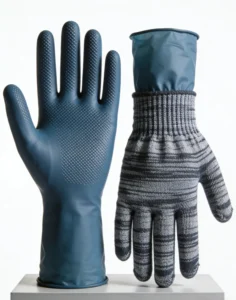
Premium freezer work gloves typically use a thermal fleece or brushed acrylic lining that traps body heat while wicking away moisture. In the Xinzhu Safety 10-gauge thermal insulated work gloves, for example, the liner combines HPPE, polyester, steel fiber, spandex, and acrylic fiber—a multi-material blend that provides both warmth and structural durability.
Some gloves advertise CLO ratings, a standard measure of thermal resistance. The Ergodyne ProFlex 850, for instance, has a CLO rating of 1.3 and is rated for moderate work at -20°F (-29°C) for up to one hour, or a full eight-hour shift at -5°F (-21°C). That’s a helpful benchmark—but remember that activity level matters. Someone moving boxes briskly will stay warmer than someone standing at a stationary workstation in the same freezer.
What to look for: Check for insulation thickness, material quality (fleece, acrylic, or hollow fiber are all good signs), and whether the manufacturer provides a specific temperature rating for different activity levels.
Waterproof Coating: The Difference Between “Warm” and “Wet and Miserable”
Here’s something that surprises a lot of people: cold doesn’t hurt nearly as much as cold + wet.
Once moisture gets inside your gloves—whether from melting ice, condensation, or wet packaging—the insulation becomes nearly useless. Water conducts heat away from your skin 25 times faster than air. That’s why a soaked glove feels like wearing ice packs on your hands.
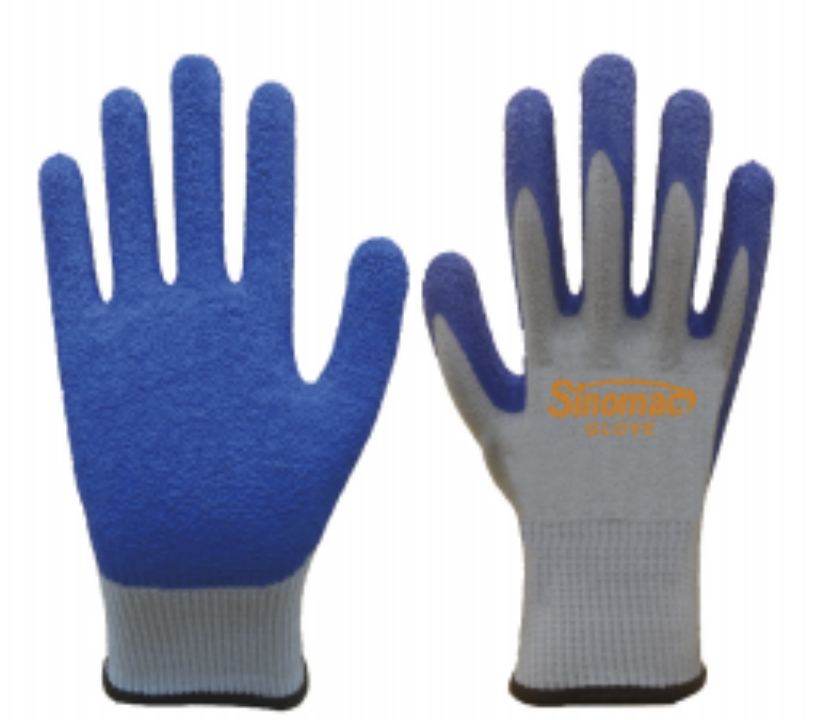
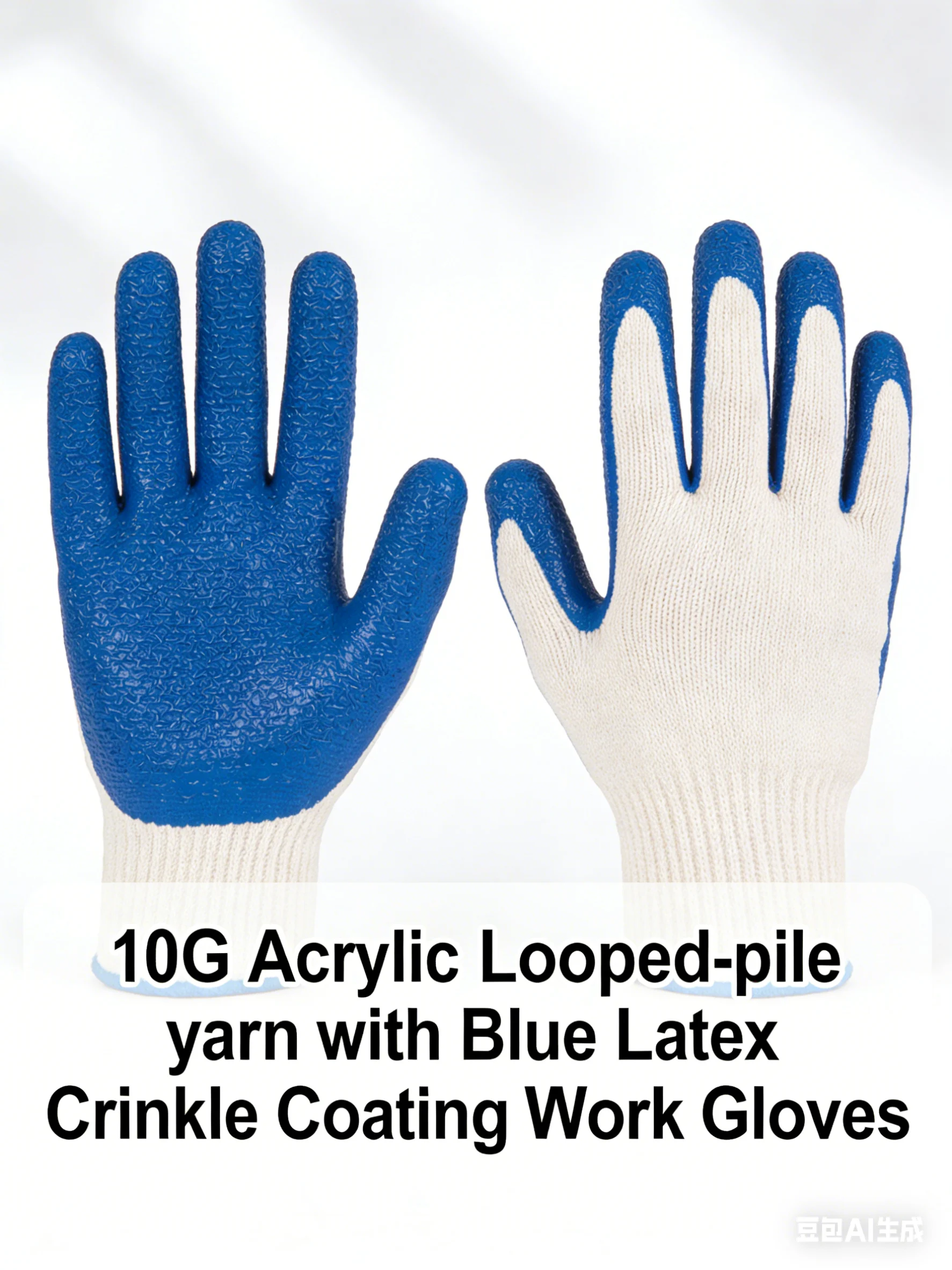
A properly waterproof freezer glove uses a fully dipped coating that seals the outside layer against moisture penetration. The Xinzhu Safety gloves use a sandy latex coating applied to both the palm and back, creating a waterproof barrier that also provides excellent grip. Similarly, Toolant uses a double-layer latex construction for complete waterproofing, while Frost Busters LX799 features a fully double latex-coated shell.
What to look for: Look for gloves labeled “100% waterproof” rather than just “water-resistant.” Check if the coating covers the entire glove or just the palm—full coverage matters in wet freezer environments.
Grip and Dexterity: Because Dropping Things Costs Money
The best-insulated, most waterproof glove in the world is useless if you can’t hold onto anything.
Freezer work involves handling all kinds of tricky surfaces: frozen metal racks, slick plastic wrap, icy cardboard boxes, wet floors. A good grip coating should perform well in both dry and wet conditions.
Sandy latex and Sandy nitrile are the gold standards here. Textured coatings create friction even when surfaces are wet or icy. The Xinzhu Safety gloves feature a premium sandy latex coating with double coating on the palms and fingers, maintaining dexterity while providing superior wear resistance.
User feedback consistently praises this design. One reviewer noted that the sandy latex palm “grips everything from frozen metal to slick plastic wrap,” and that the gloves “don’t split at the seams like cheaper options”.
But here’s the balancing act: too much insulation = no dexterity. If your gloves are so bulky that you can’t scan barcodes, operate touchscreens, or pick up small items, workers will take them off—exposing their hands to dangerous cold. Look for freezer work gloves that use a 10-gauge or 13-gauge knit construction, which offers warmth without excessive bulk.
Comparing Top Freezer Work Gloves on the Market
To help you make an informed decision, here’s a side-by-side comparison of several leading freezer work gloves based on key performance metrics:
| Product | Insulation | Waterproof | Grip Coating | Temperature Rating | EN511 Rating | Key Feature |
|---|---|---|---|---|---|---|
| Xinzhu Safety 10-Gauge Thermal | HPPE/Polyester/Steel Fiber/Spandex/Acrylic blend | Sandy latex full coating | Sandy latex, double palm coating | Not specified | Not specified | Customizable sizing & materials |
| Ergodyne ProFlex 850 | 150g insulation, CLO 1.3 | Silicone pattern palm | Silicone-patterned grip | -5°F to -20°F (-21°C to -29°C) | EN511: 23x | Touchscreen capable, neoprene cuffs |
| Toolant 100% Waterproof | Acrylic fleece lining | Double latex dipped | Textured latex palm | Not specified | Not specified | Touchscreen fingertips, velcro wrist closure |
| HexArmor Helix 2073 | Fleece lining, 13-gauge acrylic/fiberglass | Sandy nitrile double-dipped | Sandy nitrile, full coverage | Not specified | Not specified | ANSI A6 cut resistance, touchscreen |
| RefrigiWear Endurance | 150g polyester, brushed tricot | Not specified | Aramid-reinforced palm | -20°F comfort rating | Not specified | Four-way stretch, HiVis accents |
Sources: Product specifications from Xinzhu Safety, Ergodyne, Toolant, HexArmor, and RefrigiWear documentation.
Applications: Where Freezer Work Gloves Actually Get Used
The term “freezer work” covers a lot of ground. Let’s look at real-world scenarios where the right gloves make all the difference.
Scenario 1: Cold Storage Warehouse Picking
You’re working an eight-hour shift in a -10°F freezer, pulling orders from metal racks. The boxes are cold, the floors are often slippery with ice, and you’re constantly reaching, gripping, and lifting. After about two hours in standard gloves, your fingers start to stiffen. By hour four, grip strength drops noticeably.
A quality pair of freezer work gloves with 150g or more of insulation and a textured sandy latex grip can extend productive working time significantly. The thermal lining retains hand warmth while the coating prevents moisture from freezing on the glove surface. Workers at one cold storage facility reported that switching to properly insulated, waterproof gloves reduced hand fatigue complaints by over 60%.
Scenario 2: Food Processing and Frozen Food Handling
This environment adds another layer of complexity: water. Frozen food packaging often develops condensation as it moves between temperature zones. And if you’re handling raw frozen meat or seafood, sanitation requirements may demand gloves that are both waterproof and easy to clean.
The Xinzhu Safety gloves are compatible with food handling applications and offer customizable options for specific industry needs. The sandy latex coating resists moisture penetration while providing the grip needed to handle wet, slippery packaging.
Scenario 3: Winter Construction and Outdoor Cold Work
Outdoor winter work brings wind chill into the equation. Even at relatively mild temperatures, wind can strip heat away from exposed hands rapidly. A windproof outer coating is essential here.
Freezer work gloves that use fully dipped latex or nitrile coatings provide excellent wind resistance in addition to waterproofing. The four-way stretch spandex shell on the RefrigiWear Endurance glove, for example, offers flexibility while blocking wind.
Scenario 4: Logistics and Material Handling
Loading docks and unheated warehouses often sit right at the freezing line—cold enough to be dangerous, but not cold enough to feel “extreme.” The real risk here is prolonged exposure. An eight-hour shift at 25°F might not sound that bad, but over time, repeated cold exposure increases the risk of chilblains and long-term circulation issues.
Even a “moderate” cold requires proper hand protection. Look for freezer work gloves rated for sustained wear in temperatures down to 0°F or lower—they’ll provide more than enough insulation for warmer conditions without being uncomfortably bulky.
Technical Deep Dive: Understanding EN511 and CLO Ratings
If you’re serious about selecting freezer work gloves, it helps to understand the standards that matter.
EN511: The European Standard for Cold Protection
EN511 is the European standard that governs protective gloves against cold. It tests three specific parameters, each rated on a scale of 0 to 4, and the resulting three-digit code appears on the glove alongside a snowflake pictogram.
| EN511 Parameter | What It Measures | Level 4 Meaning |
|---|---|---|
| Convective Cold (first digit) | Resistance to heat loss through cold air | Maximum insulation against cold air |
| Contact Cold (second digit) | Resistance when touching cold surfaces | Maximum protection against cold transfer from frozen objects |
| Water Permeability (third digit) | Whether water can penetrate the glove | Level 1 = passes water penetration test |
A rating of “23x” (where “x” may be 0 or 1 depending on water testing) means the glove has level 2 convective cold protection and level 3 contact cold protection. The Ergodyne ProFlex 850 carries an EN511 rating of 23x, indicating solid performance across both air and contact cold resistance.
CLO Rating: Measuring Thermal Insulation
CLO is a unit of thermal resistance—think of it as the “R-value” for clothing. One CLO is the insulation needed to keep a resting person comfortable at 70°F. The higher the number, the warmer the glove.
But here’s the catch: CLO ratings are measured under standard conditions (no wind, no moisture, resting activity). Real-world performance depends on activity level, duration of exposure, and environmental factors like wind and humidity.
Ergodyne provides a useful framework:
-
Light activities (forklift driver, equipment operator): Lower heat generation, require warmer insulation
-
Moderate activities (picking, packaging, delivery): Generate some body heat, balanced insulation
-
Vigorous activities (heavy lifting, frequent movement): Generate significant heat, may allow lighter insulation
Their ProFlex 850, with a CLO of 1.3, is rated for moderate work at -20°F for up to one hour, or full eight-hour shifts at -5°F. Use these ratings as guidelines, not guarantees—individual tolerance varies, and regular warm-up breaks should always be part of your cold-safety strategy.
Materials That Matter: What Your Gloves Are Actually Made Of
Let’s decode the material specs so you know what you’re actually buying.
Thermal liners: Brushed acrylic fleece is warm, quick-drying, and maintains loft even when compressed. Polyester blends add durability. Wool is excellent but can be itchy and slow to dry. The Xinzhu Safety gloves use an acrylic fiber blend that balances warmth and moisture management.
Outer coatings: Sandy latex provides excellent grip in wet and dry conditions, remains flexible in cold temperatures, and offers good abrasion resistance. Sandy nitrile adds chemical resistance and cut protection. Double-dipped coatings (latex or nitrile) provide the most reliable waterproofing.
Shell construction: 10-gauge knitting (as used in the Xinzhu Safety gloves) offers a good balance of insulation and flexibility. 13-gauge knitting (like the HexArmor Helix 2073) is finer and more flexible, suitable for tasks requiring higher dexterity, though typically with slightly less insulation.
Real User Feedback: What Cold Storage Workers Are Saying
I’ve combed through dozens of user reviews from cold storage workers, warehouse staff, and outdoor workers. Here’s what consistently comes up:
“The snug velcro wrist closure seals out drafts, and the sandy latex palm grips everything from frozen metal to slick plastic wrap.” – Cold storage worker
“Customer feedback consistently praises how these make long shifts in cold storage bearable, with many noting they don’t split at the seams like cheaper options.” – Verified purchase review
“The plush lining feels like a hug for your fingers, and the water-based PU coating remained supple without stiffening up—even when handling icy materials.” – Freezer shift worker
The common themes: durability matters as much as warmth. Gloves that fall apart after a month of use aren’t a bargain at any price. And proper fit is crucial—too loose and cold air circulates inside; too tight and insulation compresses.
FAQ
1. How cold can freezer work gloves handle?
Quality freezer work gloves with proper insulation can handle temperatures from -20°F to -50°F, depending on insulation thickness, activity level, and exposure time. EN511-rated gloves specify performance levels for different temperature ranges.
2. Are waterproof freezer gloves worth the extra cost?
Absolutely. Wet gloves lose up to 25 times more heat than dry ones. Waterproofing prevents moisture ingress from melting ice, condensation, or wet packaging—keeping your hands warmer for longer and preventing frostbite risk.
3. Can I use touchscreens with freezer work gloves?
Many modern freezer work gloves feature touchscreen-compatible fingertips. The Xinzhu Safety gloves offer customizable options, including touchscreen capability. Check product specifications—not all insulation-heavy gloves include this feature.
4. How do I know what size freezer work gloves to order?
Measure the circumference of your palm just below the knuckles (excluding the thumb) and the length from fingertip to wrist. Compare with the manufacturer’s sizing chart. Order a sample pair before bulk purchasing if possible.
5. How often should I replace freezer work gloves?
Replace when you notice insulation degradation, coating cracks, seam separation, or reduced grip performance. With daily use in harsh freezer environments, expect 3-6 months of reliable performance from quality gloves.
Conclusion
Your hands are essential tools on the job, and proper protection is crucial in cold environments. Freezer work gloves that combine thermal insulation, waterproofing, and a reliable grip help reduce the risks of cold stress, frostbite, and loss of dexterity.
High-quality 10-gauge thermal insulated waterproof gloves provide a balance of warmth, flexibility, and durability, making them suitable for cold storage, food handling, construction, and other outdoor winter tasks. By choosing gloves with these essential features, workers can maintain safety, comfort, and efficiency throughout their shift.