



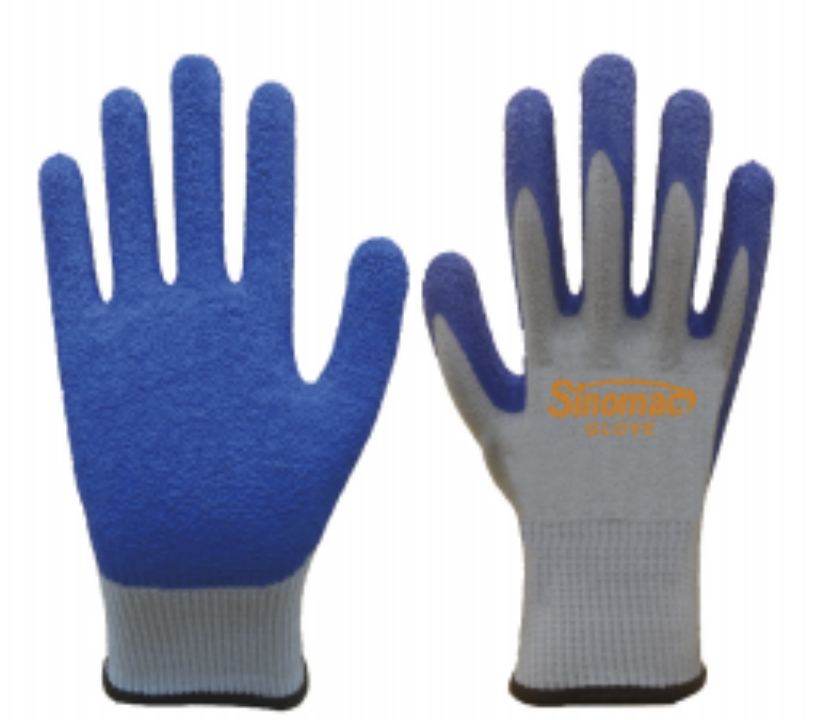

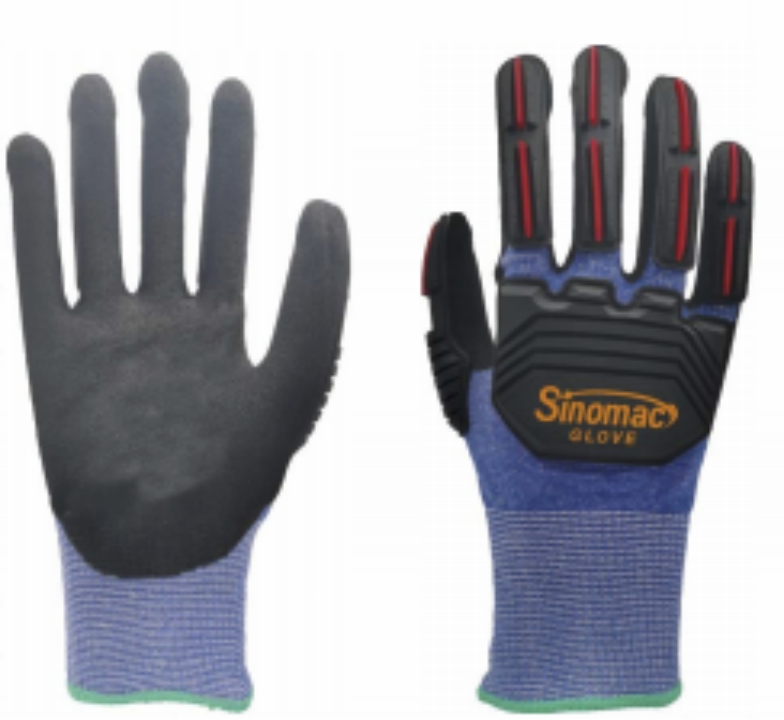
For millions of workers across construction, logistics, agriculture, utilities, freight, and outdoor maintenance, winter is not just a seasonal change—it is a constant battle against freezing temperatures, biting wind, icy surfaces, and prolonged cold exposure. In many regions, winter temperatures stay below freezing for months, and even short periods of unprotected hand contact with cold air, metal tools, or frozen materials can lead to discomfort, injury, or reduced job performance. While some workers and employers still view warm hand protection as a minor comfort, high-quality cold proof gloves have become essential personal protective equipment (PPE) for anyone working outdoors or in unheated spaces during cold weather.
Far beyond simple winter accessories, professional cold proof gloves are engineered with multi-layer insulation, weather-resistant shells, ergonomic flexibility, and industrial-grade durability. They address the unique challenges of winter work by balancing warmth, grip, mobility, and long-lasting performance. Cheap knit gloves, thin fabric layers, or makeshift hand coverings simply cannot compete with the protection and functionality of purpose-built cold proof gloves. For businesses, investing in reliable hand protection reduces accidents, improves productivity, lowers turnover, and demonstrates a true commitment to worker safety. For individual workers, these gloves prevent painful injuries, maintain control over tools, and make long shifts far more manageable.
This article explores the top five reasons cold proof gloves are essential for winter work, with detailed explanations of how they protect health, enhance safety, boost efficiency, improve workplace morale, and deliver long-term economic value. Each section breaks down real-world impacts, industry-specific challenges, and the technical advantages that separate professional cold proof gloves from low-quality alternatives. By the end, both employers and workers will understand why these gloves are not optional—but absolutely necessary—for safe, sustainable winter operations.
Why Winter Work Makes Specialized Hand Protection Non-Negotiable
Before examining the specific benefits of cold proof gloves, it is critical to recognize why standard hand coverings fail in harsh winter conditions. Regular cotton gloves, cheap polyester layers, and even casual winter gloves lack the insulation, waterproofing, and structural strength needed for industrial work. They absorb moisture, lose heat rapidly, tear easily, and offer almost no protection against extreme wind chill. For workers handling heavy tools, standing in snow, or operating equipment for hours at a time, these insufficient layers lead to numb fingers, stiff joints, reduced reflexes, and a significantly higher risk of accidents.
Cold proof gloves are designed specifically to overcome these challenges. They typically include a thermal insulating core, a windproof and water-resistant outer shell, a moisture-wicking inner lining, and reinforced grip areas. Many models also support flexibility, allowing workers to perform detailed tasks without removing their gloves. Unlike consumer-grade winter gloves, which are made for casual use, professional cold proof gloves are built to withstand abrasion, repeated movement, and exposure to oil, dirt, and harsh weather.
In sectors like construction, road maintenance, delivery services, and agriculture, winter work cannot stop due to cold weather. Deadlines must be met, infrastructure must be maintained, and supply chains must keep moving. This reality makes reliable cold proof gloves one of the most important investments a business can make to protect its workforce and maintain operational stability. The following five reasons highlight exactly how these gloves transform winter work for the better.
Reason 1: Protection Against Life-Altering Cold-Related Injuries
The most urgent and compelling reason to use high-quality cold proof gloves during winter work is to prevent serious, potentially permanent cold-related injuries. Many workers underestimate the danger of short-term cold exposure, but even 10 to 15 minutes of unprotected contact with freezing temperatures can cause tissue damage. Over the course of an 8-hour shift, the risk rises dramatically.
-
Immediate Dangers: Frostnip and Frostbite
Frostnip is the earliest stage of cold injury, marked by redness, tingling, burning, and temporary loss of sensation in the fingers. If exposure continues, frostnip can quickly develop into frostbite—a severe condition that damages skin, underlying tissues, and even nerves and muscle. In extreme cases, severe frostbite can lead to permanent disability or amputation. Workers at height, on open construction sites, or near frozen ground are especially vulnerable, as wind chill amplifies the effects of low temperatures.
Cold proof gloves create a consistent thermal barrier that maintains safe skin temperature, even in sub-freezing conditions. High-density insulation traps body heat and blocks external cold, while windproof layers prevent rapid heat loss. For workers who handle metal tools, which conduct cold extremely efficiently, this protection is even more critical. Without cold proof gloves, direct hand contact with frozen equipment can cause instant cold damage to the skin.
-
Long-Term Risks: Chilblains, Nerve Damage, and Chronic Pain
Beyond immediate frostbite risk, repeated unprotected cold exposure can lead to chronic health conditions. Chilblains are painful, itchy, swollen lesions that form on fingers due to repeated exposure to cold, damp air. They can last for weeks and become increasingly severe with continued exposure. Over time, workers may also develop permanent nerve damage, increased sensitivity to cold, and chronic joint stiffness. These conditions reduce quality of life and can limit future employment opportunities in physical industries.
By maintaining steady warmth and blood flow, cold proof gloves significantly reduce the risk of these long-term issues. The inner linings of premium gloves also wick moisture away from the skin, preventing dampness that contributes to chilblains and skin irritation. For employers, protecting workers from these injuries reduces absenteeism, workers’ compensation claims, and long-term staffing disruptions. For workers, cold proof gloves protect their most essential tools—their hands—for years to come.
Reason 2: Maintain Grip Strength and Dexterity for Safer Task Performance
Cold temperatures have an immediate physical effect on the human body: muscles stiffen, reflexes slow, and fine motor control diminishes. When hands become numb or cold, workers lose the ability to grip tools securely, handle small parts, or operate equipment safely. This loss of control leads to dropped tools, unstable materials, and an increased risk of falls, strains, and machinery accidents.
One of the most innovative advantages of professional cold proof gloves is their ability to provide warmth without sacrificing dexterity. Many cheaper insulated gloves are overly bulky, restricting finger movement and making precise work nearly impossible. Modern cold proof gloves use lightweight, high-loft insulation and articulated finger design to preserve flexibility. Workers can grip, twist, fasten, and manipulate tools while keeping their hands fully protected.
-
Secure Grip in Icy and Wet Conditions
Winter work often involves wet, icy, or slippery surfaces. Regular gloves become damp and slippery, increasing the chance of accidents. Cold proof gloves frequently feature textured latex, nitrile, or PVC palm coatings that create reliable traction, even in snow, ice, or light rain. This non-slip grip is critical for construction workers using power tools, delivery drivers handling packages, warehouse employees operating pallet jacks, and utility workers climbing ladders.
A secure grip prevents dropped objects, which are a leading cause of workplace injuries. It also improves overall balance and stability when working on icy ground or elevated surfaces. By maintaining consistent grip strength, cold proof gloves directly reduce accident rates and create a safer working environment for everyone on-site.
-
Control for Precision and Heavy-Duty Tasks
Not all winter work involves heavy lifting. Many jobs require precision: wiring, fastening small components, operating controls, or inspecting equipment. Cold proof gloves allow workers to perform these detailed tasks without exposing their hands to freezing temperatures. This eliminates the dangerous habit of removing gloves mid-task to regain dexterity—a common cause of sudden cold exposure and injury.
Whether handling heavy materials or performing delicate adjustments, workers with proper cold proof gloves remain in control. This combination of warmth and mobility is what makes professional cold proof gloves far more effective than layered casual gloves or low-quality insulated alternatives.
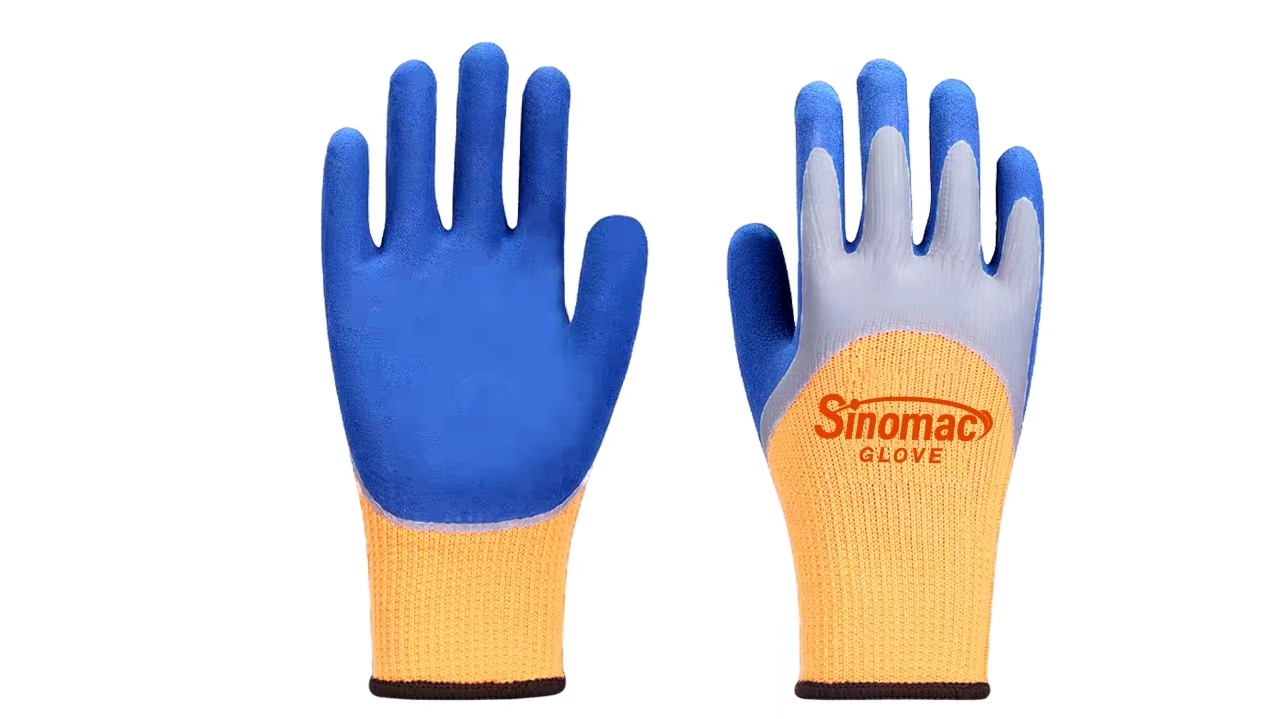
Reason 3: Boost Overall Productivity and Reduce Downtime
Productivity drops sharply when workers are uncomfortable. Numb hands, stiff fingers, and constant discomfort distract employees, slow task completion, and lead to more frequent breaks. For businesses, these small delays add up to significant lost labor hours, delayed projects, and increased operational costs. Cold proof gloves solve this problem by keeping hands warm, functional, and free from distraction throughout the entire shift.
-
Fewer Unplanned Warm-Up Breaks
Without adequate hand protection, workers have no choice but to pause frequently to warm their hands. These quick breaks to rub hands together, hold warm cups, or step inside temporarily disrupt workflow and reduce output. Over a full workweek, the cumulative effect can reduce daily productivity by 15% or more, according to many workplace safety studies.
Cold proof gloves eliminate the need for these frequent warm-up stops. With consistent thermal insulation, workers maintain comfortable hand temperatures for hours, allowing them to stay on task and follow project timelines. In industries like snow removal, road maintenance, and construction, where deadlines are tight and weather delays are costly, this reliability can make or break a project’s success.
-
Steady Performance Throughout Long Shifts
Many winter workers perform 10-hour or longer shifts, often into the evening when temperatures drop even lower. Cheap gloves gradually lose their insulating ability as moisture builds up and heat escapes. Premium cold proof gloves retain their warmth and structure for entire shifts, ensuring consistent performance from the first hour to the last.
When workers are not fighting cold-related discomfort, they maintain a steady work pace, make fewer mistakes, and complete tasks more efficiently. Higher productivity means faster project completion, better resource utilization, and improved profitability for businesses. For workers, it means less fatigue and a more manageable workday, even in the coldest conditions.
Reason 4: Improve Worker Comfort, Morale, and Job Satisfaction
Comfort is closely linked to morale, especially in physically demanding outdoor industries. Workers who feel cold, sore, and unprotected are more likely to experience frustration, fatigue, and reduced engagement. Over time, this lowers job satisfaction, increases turnover, and creates a negative workplace culture. Providing high-quality cold proof gloves is a simple but powerful way for employers to show they value their team’s well-being.
-
Moisture-Wicking Design for All-Day Comfort
One of the biggest flaws of low-quality winter gloves is that they trap sweat against the skin. Damp hands lose heat much faster than dry hands, creating clammy, uncomfortable conditions that accelerate cold stress. Premium cold proof gloves include breathable, moisture-wicking inner linings that pull perspiration away from the skin while blocking external moisture. This keeps hands dry, reduce irritation, and maintain consistent warmth.
For workers in physically demanding roles—such as construction, landscaping, and freight handling—moisture control is essential. It prevents chafing, skin dryness, and the uncomfortable “cold and clammy” feeling that ruins long shifts. By prioritizing comfort, cold proof gloves help workers stay focused and positive throughout the day.
-
Higher Morale and Lower Turnover
Winter is one of the most common times for increased turnover in outdoor industries. Harsh conditions, inadequate PPE, and consistent discomfort push workers to seek better environments. Employers who invest in high-quality cold proof gloves reduce turnover by creating safer, more comfortable working conditions. Employees who feel protected and valued are more loyal, reliable, and motivated to perform well.
Improved morale also leads to better teamwork, fewer accidents, and a more positive workplace atmosphere. In a competitive labor market, providing professional-grade PPE like cold proof gloves can be the difference between retaining skilled workers and struggling to maintain staffing levels.
Reason 5: Durable, Industrial-Grade Design for Long-Term Cost Savings
While high-quality cold proof gloves have a higher upfront cost than cheap disposable gloves, their rugged construction delivers significant long-term savings. Winter work exposes PPE to extreme conditions: abrasion from tools, tearing from rough materials, water saturation, and repeated bending. Low-quality gloves break down quickly, requiring constant replacement. Professional cold proof gloves are built to withstand these conditions, resulting in fewer replacements and lower overall expenses.
-
Windproof, Water-Resistant, and Abrasion-Resistant Layers
Top-tier cold proof gloves feature durable outer shells that resist wind, light snow, and splashing water. Many models also include reinforced palms and fingers to resist tearing and abrasion. This rugged design ensures the gloves remain effective shift after shift, even in heavy use. Workers in construction, agriculture, and utilities benefit greatly from this durability, as their gloves face constant punishment from rough surfaces and heavy equipment.
Unlike cheap gloves, which become useless after a few uses, industrial cold proof gloves maintain their insulation, shape, and protective properties for months. This reliability means workers always have functional hand protection, and employers do not face unexpected gaps in PPE supply.
-
Lower Replacement Costs and Better Budgeting
For businesses managing large teams, the cost of replacing low-quality gloves every few weeks adds up quickly. Investing in durable cold proof gloves reduces replacement frequency, lowers annual PPE spending, and makes budgeting more predictable. Over a full winter season, the long-term savings often exceed the initial higher purchase price.
Additionally, durable cold proof gloves reduce waste, making them a more sustainable choice for environmentally conscious businesses. By choosing long-lasting PPE, companies reduce their environmental footprint while supporting worker safety—a win-win for both business and responsibility goals.
How to Choose the Right Cold Proof Gloves for Different Work Environments
Not all cold proof gloves are designed for the same tasks, and selecting the right style maximizes safety and efficiency. Workers in construction and heavy industry benefit from cut-resistant, reinforced cold proof gloves that offer both thermal protection and impact resistance. Delivery and logistics teams need lightweight, flexible gloves that maintain grip during package handling. Workers in wet environments, such as agriculture or winter cleaning, require fully waterproof cold proof gloves to prevent saturation.
Employers should assess the specific risks of each role—including temperature range, moisture exposure, tool use, and physical demands—before selecting gloves. Regardless of the specific model, however, the core benefits remain the same: cold proof gloves protect against injury, improve control, boost productivity, increase comfort, and deliver long-term value.
Conclusion
For anyone working in cold weather, warm gloves are far more than just a winter accessory—they are essential protective gear that can prevent potentially life-threatening injuries, boost productivity, and promote overall health and well-being. The five key reasons to embrace these gloves are: prevention of cold-related injuries, maintenance of grip and dexterity, increased productivity, enhanced employee morale, and durable, cost-effective performance. Employers who invest in high-quality warm gloves create a safer workplace, reduce accident risks, increase employee retention, and support more efficient winter operations. For employees, these gloves protect their hands, enabling them to perform at their best and transforming harsh shift work into a bearable workday. In industries where winter work is unavoidable, warm gloves are more than just a practical option—they are a necessary investment in safety, productivity, and long-term success.