



Construction sites are dynamic, high-risk environments where hands are constantly exposed to impacts, crushing forces, and sharp hazards. Every year, over 1 million construction workers in the U.S. visit emergency rooms due to hand injuries, with lacerations, contusions, and fractures accounting for nearly two-thirds of these cases. The cost of these injuries is staggering: a single laceration averages $10,000 in direct expenses, while a severed tendon can exceed $70,000—not including lost wages and productivity.
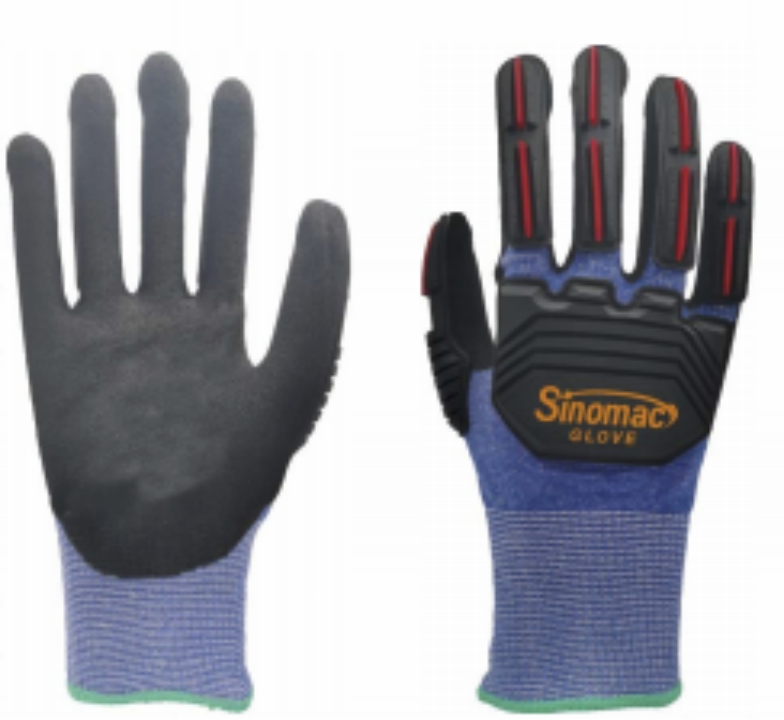
Many injuries stem from using ill-fitting or underprotected gloves. Standard work gloves offer basic abrasion resistance but fail to absorb the force of heavy impacts from falling tools, machinery parts, or crushed materials. This is where high impact gloves become indispensable. Engineered with specialized padding, reinforced materials, and strategic shock absorption, these gloves are designed to protect the most vulnerable areas of the hand—especially the back of the hand, knuckles, and fingers—without sacrificing dexterity.
In this comprehensive guide, we’ll break down everything you need to know about high impact gloves: their key features, industry standards, top materials, real-world construction applications, how to choose the right pair, and answers to common questions. By the end, you’ll have the knowledge to equip your team with gloves that keep them safe, productive, and on the job.
What Are High Impact Gloves?
High impact gloves, also known as impact-resistant gloves, are personal protective equipment (PPE) specifically designed to absorb and disperse energy from sudden blows, crushing forces, and repetitive impact. Unlike standard work gloves or basic cut-resistant gloves, they prioritize dorsal (back-of-hand) protection—the area most prone to injury from falling objects, tool drops, and pinch points, according to ANSI.
Core Purpose
The primary goal of high impact gloves is to reduce the risk of:
- Contusions and bruises from direct impacts
- Knuckle and finger fractures
- Crush injuries from pinched hands or compressed materials
- Soft tissue damage from heavy tool vibrations
- Secondary injuries (e.g., cuts, abrasions) that often accompany impact incidents
Key Difference: Impact vs. Cut-Resistant Gloves
A common misconception is that cut-resistant gloves provide sufficient impact protection. While cut-resistant gloves (made with Kevlar®, HPPE, or stainless steel) defend against sharp edges, they lack the structural padding needed to absorb impact forces. High impact gloves, by contrast, combine shock-absorbent materials with durable back-of-hand protection to address both impact and common secondary hazards.
| Feature | High Impact Gloves | Cut-Resistant Gloves |
|---|---|---|
| Primary Protection | Absorbs/disperses impact energy | Defends against cuts/lacerations |
| Key Materials | Thermoplastic rubber (TPR), foam padding, reinforced leather | Kevlar®, HPPE, stainless steel mesh |
| Targeted Zones | Back of hand, knuckles, fingers | Palm, fingers (cut protection) |
| Best For | Falling tools, crushed materials, heavy machinery | Sharp edges, sheet metal, cutting tools |
| Key Standard | ANSI/ISEA 138 (impact levels 1–3) | ANSI/ISEA 105 (cut levels A1–A9) |
Industry Standards for High Impact Gloves
To ensure you’re investing in reliable protection, look for gloves that comply with ANSI/ISEA 138-2019—the definitive standard for impact-resistant work gloves. This standard establishes clear testing protocols and classification levels for dorsal impact protection, filling a critical gap in PPE regulation that previously lacked consistency for impact-specific gloves. ANSI.
ANSI/ISEA 138 Impact Levels
The standard rates gloves on a scale of 1 to 3, with Level 3 offering the highest protection. Ratings are determined by measuring the average force (in kilonewtons, kN) transmitted through the glove during controlled impact tests on the knuckles and fingers.
| Impact Level | Max Transmitted Force | Typical Use Case |
|---|---|---|
| Level 1 | ≤ 9 kN (≈2,023 lbs) | Light material handling, general assembly |
| Level 2 | ≤ 6.5 kN (≈1,461 lbs) | General construction, light power tool use |
| Level 3 | ≤ 4 kN (≈899 lbs) | Heavy machinery operation, demolition, oil & gas |
Note: A glove with mixed ratings (e.g., Level 3 finger protection, Level 2 knuckle protection) is assigned the lowest level—in this case, Level 2—to ensure consistent safety.
Additional Critical Certifications
Beyond ANSI/ISEA 138, look for these certifications to ensure comprehensive protection:
- ANSI/ISEA 105: Verifies cut, abrasion, and puncture resistance (critical for secondary hazards)
- EN 388: European standard for mechanical hazards (cut, abrasion, puncture, impact)
- EN 343: Ensures water resistance and breathability for outdoor construction
- CE Certification: Complies with European safety standards for global work sites
Key Materials & Design Features of High Impact Gloves
The most effective high impact gloves balance superior shock absorption, durability, dexterity, and comfort. Let’s break down the materials and design elements that make them work.
1. Shock-Absorbent Core Materials
The back of the hand and knuckles are the primary focus of impact protection, thanks to these materials:
- Thermoplastic Rubber (TPR): The gold standard for impact protection. TPR is flexible yet rigid, quickly dispersing impact energy to reduce force transmission to bones and soft tissues. It’s lightweight, non-slip, and resistant to oil, chemicals, and extreme temperatures—ideal for construction environments.
- High-Density Foam Padding: Often used in conjunction with TPR, foam padding (typically polyurethane or EVA) provides cushioning for repetitive impacts and softer blows. It’s breathable and flexible, making it suitable for all-day wear.
- Reinforced Leather Backing: For heavy-duty applications, leather backs add extra durability against abrasions and minor impacts, while maintaining flexibility for fine motor skills.
2. Palm & Grip Enhancement
While impact protection is the priority, a strong grip is essential for safe tool handling. Look for these palm features:
- Textured Nitrile/PU Coating: Provides superior grip in dry and slightly wet conditions, preventing tool slippage that can cause impacts.
- PVC Dot Pattern: Increases friction for heavy material handling (e.g., concrete blocks, steel pipes) without adding bulk.
- Sandy Nitrile Finish: Enhances grip in oily environments, common in construction and machinery maintenance.
3. Dexterity & Comfort Features
Protective gloves shouldn’t hinder performance. Top high impact gloves include:
- Stretchable Knit Liners: 13-gauge nylon or polyester liners offer breathability and a snug fit, reducing fatigue during long shifts.
- Ergonomic Panel Design: Pre-curved fingers and articulated knuckles mimic natural hand movement, making it easier to grasp tools and perform precise tasks.
- Adjustable Cuffs: Hook-and-loop closures ensure a secure fit, prevent debris from entering, and allow for quick removal.
- Moisture-Wicking Linings: Reduce sweat buildup, preventing discomfort and maintaining grip in hot, humid conditions.
Top Construction Applications for High Impact Gloves
High impact gloves are versatile, but they shine in scenarios where hands face frequent impacts, crushing forces, or heavy tool use. Here are the most common construction use cases:
1. Heavy Machinery Operation
Excavators, bulldozers, cranes, and forklifts expose operators to constant vibration, tool drops, and pinch points. High impact gloves with Level 2 or 3 protection absorb vibration energy and protect against impacts from moving parts or tool handles. Look for gloves with reinforced palms and anti-vibration padding for extended use.
2. Demolition & Site Clearance
Demolition involves falling concrete, steel debris, and heavy tool use (e.g., jackhammers, sledgehammers). Workers here face a high risk of knuckle fractures and contusions. Level 3 high impact gloves with TPR back panels and reinforced leather backs provide maximum protection against debris impacts and abrasive surfaces.
3. Material Handling & Loading/Unloading
Workers who lift, carry, or stack heavy materials (concrete blocks, steel beams, lumber) are prone to crush injuries and repetitive impact damage. Gloves with Level 2 protection and textured palms offer grip and cushioning against compressed materials and dropped tools. High-visibility colors (orange, yellow) are also recommended for better site visibility.
4. Automotive & Equipment Repair
Mechanics and repair technicians work with heavy wrenches, sockets, and vehicle parts, often dropping tools on their hands. High impact gloves with padded knuckles and flexible TPR back panels protect against tool drops and vibration from power tools (e.g., impact wrenches).
5. Roofing & High-Altitude Work
Roofers face falling debris, slippery surfaces, and occasional tool drops. Gloves with Level 2 protection, water-resistant coatings, and reinforced palms provide grip on wet roofs and protection against minor impacts from falling materials.
How to Choose the Right High Impact Gloves: A Step-by-Step Guide
Selecting the perfect pair of high impact gloves requires matching the glove’s features to your specific job site hazards. Follow these steps to make an informed decision:
Step 1: Assess Your Site’s Hazards
Start by identifying the primary impact risks on your site:
- Are workers at risk of falling tools or debris? (Prioritize Level 2/3 protection)
- Do they use heavy power tools with high vibration? (Look for anti-vibration padding)
- Are there frequent pinch points or crushed materials? (Choose reinforced, crush-resistant designs)
- Are secondary hazards (cuts, abrasions) likely? (Opt for gloves with ANSI/ISEA 105 cut protection)
Step 2: Match Impact Level to Task
Use the ANSI/ISEA 138 scale to select the right protection level:
- Light tasks (general assembly, light material handling): Level 1
- Standard construction (framing, electrical, plumbing): Level 2
- Heavy-duty tasks (demolition, heavy machinery, oil & gas): Level 3
Step 3: Prioritize Comfort & Fit
Ill-fitting gloves reduce compliance and increase injury risk. Follow these tips:
- Measure Hand Circumference: Wrap a tape measure around the widest part of your palm (below knuckles) for the most accurate sizing.
- Test Dexterity: Try gripping a small tool (e.g., a screwdriver) to ensure the gloves don’t restrict movement.
- Check Breathability: Look for mesh panels or knit liners to prevent overheating during long shifts.
- Ensure Flexibility: Avoid gloves with rigid padding that limit finger movement.
Step 4: Verify Durability & Longevity
Construction gloves take a beating—choose ones that stand up to daily use:
- Reinforced Stitching: Look for double-stitched seams at stress points (fingers, palms) to prevent tearing.
- Washable Materials: Opt for gloves that can be cleaned with soap and water to extend lifespan.
- Non-Corrosive Hardware: Avoid metal fasteners that can rust or irritate skin.
Step 5: Consider Compliance & Safety Standards
Always select gloves with:
- ANSI/ISEA 138 impact rating (clearly marked on the glove)
- ANSI/ISEA 105 cut/abrasion/puncture ratings (if needed)
- CE certification for global work sites
- Manufacturer testing reports to validate performance claims
Top High Impact Glove Features to Look For
Not all high impact gloves are created equal. Here are the must-have features that separate top performers from generic options:
1. Strategic Impact Zones
Gloves should have targeted padding on the back of the hand, knuckles, and fingers— the most vulnerable areas. Avoid gloves with full rigid back panels that limit flexibility; instead, look for segmented TPR or foam padding that moves with your hand.
2. Dual Protection (Impact + Cut)
Many construction sites face both impacts and cuts. High impact gloves with ANSI/ISEA 105 Cut Level A2–A4 protection offer all-in-one safety, reducing the need to switch gloves for different tasks. This hybrid design is ideal for versatile work environments.
3. Vibration Dampening
For workers using power tools (jackhammers, drills, impact wrenches), vibration-dampening features reduce hand fatigue and the risk of long-term nerve damage. Look for gloves with gel or foam padding in the palm and fingers to absorb vibration energy.
4. High-Visibility Design
In busy construction sites, visibility saves lives. Gloves with hi-vis orange, yellow, or reflective accents make workers more noticeable to colleagues operating heavy machinery, reducing the risk of accidental collisions.
5. Chemical & Temperature Resistance
Construction sites often expose workers to chemicals (e.g., concrete sealants, solvents) and extreme temperatures. Look for gloves with nitrile or neoprene coatings that resist chemical exposure and keep hands protected in cold or hot conditions.
FAQ: Common Questions About High Impact Gloves
1. Can high impact gloves replace cut-resistant gloves?
No. High impact gloves focus on shock absorption, while cut-resistant gloves defend against sharp edges. For sites with both hazards, choose hybrid gloves that offer both impact protection (ANSI/ISEA 138) and cut resistance (ANSI/ISEA 105).
2. How often should I replace high impact gloves?
Replace gloves when:
- Padding is compressed, torn, or missing
- Stitching is frayed or broken
- The grip coating is worn smooth
- The material has developed holes or tears
As a general rule, inspect gloves weekly and replace them every 3–6 months for heavy-duty use.
3. Are high impact gloves comfortable for all-day wear?
Top high impact gloves are designed for all-day comfort. Look for features like stretchable knit liners, moisture-wicking fabric, and segmented padding that balance protection with flexibility. Avoid overly bulky gloves, which can cause fatigue.
4. Can I use high impact gloves for other industries (e.g., manufacturing, logistics)?
Yes! High impact gloves are versatile and suitable for any job with impact risks, including manufacturing (machine operation), logistics (material handling), and mining (rock/ore handling). Just adjust the impact level to match the task.
5. How do I clean and maintain high impact gloves?
- Hand wash with mild soap and warm water (avoid harsh detergents)
- Air dry flat (do not machine dry or expose to direct heat)
- Inspect for damage after each use
- Store in a cool, dry place away from sunlight and chemicals
Conclusion & Call to Action
Hand injuries are preventable, and high impact gloves are one of the most effective tools to protect your construction team. By investing in gloves that meet ANSI/ISEA 138 standards, offer the right impact level, and balance protection with comfort, you’ll reduce injuries, lower workers’ comp costs, and keep your team productive on the job.
Take action today:
- Conduct a site hazard assessment to identify impact risks.
- Equip your team with high impact gloves that match the task (Level 1–3).
- Train workers on proper glove selection, fit, and maintenance.
- Regularly inspect gloves for wear and replace them as needed.
Don’t wait for an injury to prioritize hand safety. Visit our product page to browse our top-rated high impact gloves for construction, or contact our safety experts to customize a glove solution for your site. Keep your team’s hands protected—because a safe worker is a productive worker.