




Introduction
Sustainability is no longer limited to corporate reports—it has reached the shop floor. Today, industrial buyers and safety managers are no longer forced to choose between worker protection and environmental responsibility, as recycled safety work gloves are helping bridge that gap.
But a more important question remains: where do these gloves actually perform best? Industrial environments vary widely, and not every glove is suitable for every task. The true value of recycled safety work gloves lies in selecting the right product for the right application.
This article explores the key industrial settings where recycled polyester work gloves with foam nitrile coating deliver the best performance, helping you make a purchasing decision that is both practical and sustainable.
What Makes Recycled Safety Work Gloves Different?
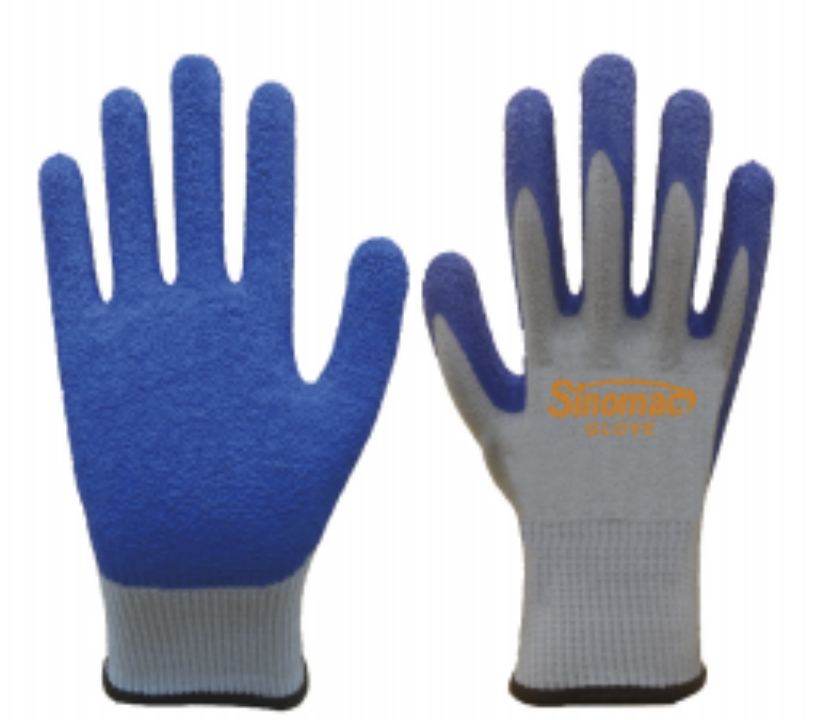
Before diving into specific applications, it’s worth understanding what actually goes into these gloves. The 13G recycled polyester yarn liner forms the foundation—lightweight, breathable, and stretchy enough to provide a snug ergonomic fit that reduces hand fatigue during long shifts. The foam nitrile coating is where the magic happens: it delivers a strong grip in dry, wet, or light-oil conditions while resisting abrasion and tearing.
Here’s what sets recycled safety work gloves apart from conventional options:
-
Material origin: The polyester yarn comes from recycled sources, reducing the carbon footprint associated with virgin polyester production
-
Performance parity: Studies confirm that recycled polyester fibers maintain the same features and performance as virgin polyester
-
Dual benefit: You get industrial-grade protection and environmental responsibility in one product
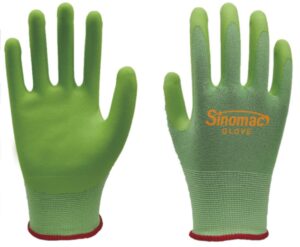
The fluorescent green color isn’t just for show—it enhances visibility on busy worksites, adding an extra layer of safety. And with sizes ranging from XS to 3XL, these gloves accommodate virtually any workforce.
Where Recycled Safety Work Gloves Excel in Automotive Maintenance and Assembly
Few industrial environments demand as much from hand protection as automotive maintenance and assembly. Mechanics and assembly workers handle everything from oily engine parts to precision fasteners, often switching tasks multiple times per shift. This is where recycled safety work gloves show strong performance advantages.
The foam nitrile coating performs well in light-oil conditions common in automotive work. Unlike smooth coatings that become slippery with grease, the foam structure helps move oil away from the gripping surface, keeping grip stable and controlled.
In a typical workflow, workers may move from interior trim (precision work) to oily suspension parts (secure grip) and then to bolt tightening (tactile control). The 13-gauge liner provides flexibility for detailed tasks, while the coating ensures a reliable grip across applications.
In terms of durability, testing on similar recycled safety work gloves shows ANSI/ISEA Level 4 abrasion resistance, suitable for repetitive automotive use. The breathable liner also reduces sweat buildup during long shifts, improving comfort and consistency in daily wear.
Why Recycled Safety Work Gloves Are Built for Construction and Heavy Manufacturing
Construction sites and heavy manufacturing plants are unforgiving environments. Workers handle rough materials, sharp edges, and heavy components daily. The question isn’t whether gloves will get worn—it’s how long they’ll last before needing replacement.
Recycled safety work gloves with foam nitrile coating are engineered for these exact conditions. The coating provides abrasion resistance that extends glove life significantly compared to uncoated or lightly coated alternatives. In field applications, users report up to 20% longer wear time compared to standard foam nitrile gloves.
The applications are extensive:
-
Material handling: Moving rebar, lumber, concrete blocks, and structural steel
-
Equipment operation: Gripping controls, levers, and tools in dusty or dirty conditions
-
General labor: Sorting, stacking, and securing materials throughout the workday
Construction workers particularly value the ergonomic fit. The 13G liner adapts to most hand shapes without restricting finger movement, which means workers can maintain the dexterity needed for tasks like tying rebar or operating power tools while still enjoying reliable protection.
One often-overlooked advantage: the fluorescent green color improves visibility on chaotic job sites. When workers are surrounded by heavy equipment and moving vehicles, being able to spot hand signals or simply see where hands are positioned relative to hazards adds a meaningful safety margin. For contractors who prioritize both safety and sustainability, recycled safety work gloves have become a go-to choice on projects ranging from residential builds to large-scale infrastructure.
How Recycled Safety Work Gloves Enhance Productivity in Warehousing and Logistics
Warehouses and logistics centers might not seem as demanding as construction sites, but they present their own set of challenges—primarily repetition. Workers may handle thousands of boxes, pallets, or packages per shift. The cumulative wear from repetitive gripping, lifting, and releasing adds up fast.
This is where the combination of lightweight construction and durable coating really shines. The 13G recycled polyester liner keeps gloves light enough that workers don’t experience the hand fatigue associated with heavier gloves. At the same time, the foam nitrile coating provides the grip needed to handle everything from smooth cardboard boxes to shrink-wrapped pallets.
The numbers tell the story. The global industrial safety gloves market is projected to grow from $9.3 billion in 2025 to $14.7 billion by 2034, driven in part by increasing focus on worker comfort and productivity. When workers are comfortable, they work faster and make fewer errors—a direct productivity benefit that goes beyond simple hand protection.
Warehouse managers also appreciate the eco-friendly angle. With growing pressure from corporate sustainability goals and customer expectations, switching to recycled safety work gloves provides a tangible way to reduce environmental impact without compromising operational performance. Many logistics operators have reported that adopting these gloves not only improved worker morale but also streamlined their procurement process by consolidating glove types across multiple shifts.
The Role of Recycled Safety Work Gloves in Light Industrial Assembly and Eco-Conscious Manufacturing
Some manufacturing environments don’t involve heavy materials or extreme conditions—but they still require reliable hand protection. Electronics assembly, small parts manufacturing, and precision assembly all demand gloves that protect without sacrificing tactile sensitivity.
The 13-gauge construction of recycled safety work gloves is ideal here. Thinner than heavy-duty gloves but still protective, these gloves allow workers to feel what they’re handling. The foam nitrile coating, applied to the palm area only, leaves the back of the hand breathable while providing grip where it’s needed most.
Eco-conscious manufacturing facilities are increasingly adopting recycled safety work gloves as part of broader sustainability initiatives. The recycled material reduces carbon footprint compared to virgin polyester, and the non-toxic, skin-friendly materials ensure worker comfort during prolonged wear.
What’s particularly noteworthy is that the sustainability benefits don’t come at the cost of performance. Studies on recycled polyester work gloves show they maintain the same performance characteristics as virgin polyester. This means manufacturers don’t have to choose between meeting sustainability targets and protecting their workforce.
The Performance Comparison: Recycled vs. Traditional
| Performance Metric | Recycled Safety Work Gloves | Traditional Polyester Gloves |
|---|---|---|
| Abrasion Resistance | ANSI Level 4 (tested) | Comparable |
| Grip in Wet/Oily Conditions | Excellent (foam nitrile disperses fluids) | Varies by coating |
| Breathability | High (13G lightweight liner) | Similar |
| Dexterity | Excellent (ergonomic fit) | Similar |
| Environmental Impact | Reduced carbon footprint | Higher carbon footprint |
| Worker Comfort | All-day wear without fatigue | Comparable |
| Cost Over Time | Extended wear life offsets initial cost | Standard replacement cycle |
The key takeaway: recycled safety work gloves deliver performance that matches or exceeds traditional options while adding significant environmental benefits. The foam nitrile coating provides superior grip in challenging conditions, and the recycled construction doesn’t compromise durability or comfort.
Understanding the Technology Behind the Performance
To truly appreciate where recycled safety work gloves perform best, it helps to understand the technology that makes them work.
The 13-gauge construction refers to the knitting density—higher gauge numbers mean finer, more flexible gloves. At 13 gauge, these gloves strike an ideal balance: protective enough for industrial use yet flexible enough for tasks requiring dexterity. The recycled polyester yarn is spun from post-consumer or post-industrial sources, processed into yarn that performs identically to virgin polyester.
The foam nitrile coating is where the real engineering happens. Unlike smooth nitrile coatings that can become slick when wet, foam nitrile has a microcellular structure that:
-
Disperses liquids and oils away from the gripping surface
-
Provides a cushioned, tacky surface for secure gripping
-
Remains breathable, reducing sweat buildup
-
Offers better flexibility than smooth nitrile
The palm coating design leaves the fingers and back of the hand uncoated, maximizing breathability and dexterity while providing grip where it’s most needed. This targeted approach means workers get protection without the bulkiness of fully coated gloves.
Customization: One Size Doesn’t Fit All
Industrial environments vary widely, and the best recycled safety work gloves are the ones that match the specific requirements of each application. That’s why customization matters.
These gloves are available in sizes from XS to 3XL, ensuring a proper fit for every worker. But customization goes beyond sizing:
-
Color options: Standard fluorescent green for visibility, with other colors available
-
Coating variations: Different coating formulations for specific grip or durability requirements
-
Liner options: Alternative materials or blends for specialized applications
-
Packaging: 12 pairs per pack standard, with customizable packaging for bulk orders
This flexibility means safety managers can specify gloves that perfectly match their workforce’s needs while still benefiting from the sustainability advantages of recycled materials.
Why Sustainability Matters in Industrial PPE
The shift toward sustainable PPE isn’t just a trend—it’s being driven by real market forces. The industrial safety gloves market is witnessing a significant trend toward sustainable materials, driven by growing environmental awareness and regulatory pressures to reduce carbon footprints.
Manufacturers are increasingly innovating in biodegradable and recyclable options, and buyers are responding. The global industrial gloves market, valued at $16.5 billion in 2025, is projected to reach $43.3 billion by 2034—growth that’s partly fueled by demand for sustainable alternatives.
For companies with corporate sustainability goals, switching to recycled safety work gloves provides measurable environmental benefits. Each pair represents:
-
Reduced demand for virgin petroleum-based polyester
-
Lower carbon emissions from manufacturing
-
Less waste going to landfills
-
Support for the circular economy
And because these gloves perform as well as traditional options, there’s no trade-off between sustainability and worker protection.
FAQ
Q: Do recycled gloves last as long as traditional ones?
A: Yes. Studies confirm that recycled polyester maintains the same performance characteristics as virgin polyester. The foam nitrile coating actually extends wear life compared to some traditional coatings.
Q: Are they comfortable for all-day wear?
A: The 13G lightweight liner is breathable and stretchy, providing a snug ergonomic fit that reduces fatigue. Workers can wear them comfortably throughout entire shifts.
Q: What about grip in wet conditions?
A: The foam nitrile coating is specifically engineered to provide excellent grip in dry, wet, and light-oil conditions. The foam structure disperses fluids away from the gripping surface.
Q: Can I customize them for my specific needs?
A: Yes. Customization options include size, color, liner material, coating type, and packaging.
Q: Are they really eco-friendly?
A: The recycled polyester yarn reduces carbon footprint compared to virgin materials, and the non-toxic materials are skin-friendly.
Making the Switch: What to Consider
Transitioning to recycled safety work gloves doesn’t require a major operational overhaul. Here’s what to consider:
Assess your applications: Not every job requires the same glove. Identify which tasks involve oily conditions (automotive), abrasive materials (construction), or repetitive handling (logistics)—these are prime candidates for recycled safety work gloves with foam nitrile coating.
Test before committing: Order samples in relevant sizes and have workers try them in actual job conditions. The ergonomic fit and grip performance will quickly prove their value.
Track performance metrics: Monitor glove replacement frequency and worker feedback. Many users report extended wear life with foam nitrile coatings, which can offset any initial cost differences.
Communicate the benefits: Workers appreciate knowing they’re using sustainable products. Make the environmental benefits part of your safety communication.
Conclusion
Recycled safety work gloves with foam nitrile coating have proven their worth across automotive maintenance, construction, warehousing, logistics, and light manufacturing. They deliver industrial-grade protection—abrasion resistance, secure grip in challenging conditions, and all-day comfort—while reducing environmental impact. The technology has matured to the point where sustainability no longer means compromise.
The question isn’t whether recycled safety work gloves can perform in industrial environments. The question is: can your operation afford to overlook them?
Ready to make the switch to sustainable hand protection? Evaluate your current glove inventory, identify the applications where recycled safety work gloves would deliver the most value, and request samples to see the performance difference firsthand. Your workers—and the planet—will thank you.