



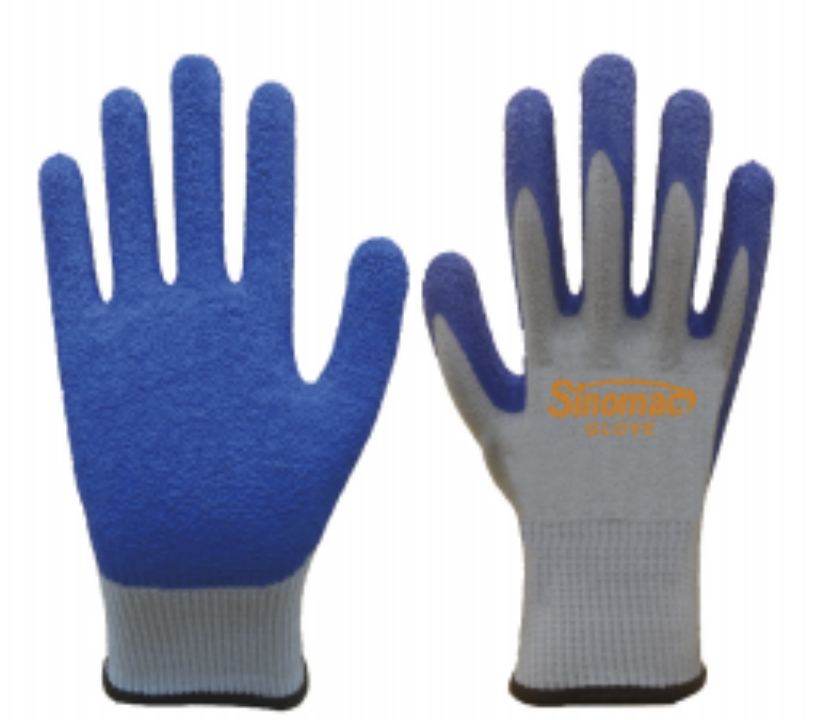


In industrial working environments, safety is rarely determined by a single factor. It is the result of many small, practical decisions made at the material and equipment level. Among personal protective equipment, work gloves are often underestimated. They appear simple, yet they directly affect grip stability, hand protection, fatigue, and accident risk. For many industrial tasks, especially those involving frequent handling, lifting, or tool operation, gloves with latex crinkle coating have become a preferred choice.
Latex crinkle-coated gloves are not designed for extreme or specialized hazards alone. Their value lies in everyday industrial safety—reducing slips, improving control, and maintaining comfort over long working hours. To understand why they are widely considered safer for industrial work, it is necessary to look closely at how their materials and surface structure interact with real working conditions.
Safety in Industrial Gloves Starts with Grip Control
Loss of grip is one of the most common causes of workplace hand injuries. Dropped tools, slipping materials, and unstable handling can lead to cuts, crush injuries, or secondary accidents. In many cases, these risks are not caused by sharp objects or heavy loads, but by insufficient friction between the glove surface and the object being handled.
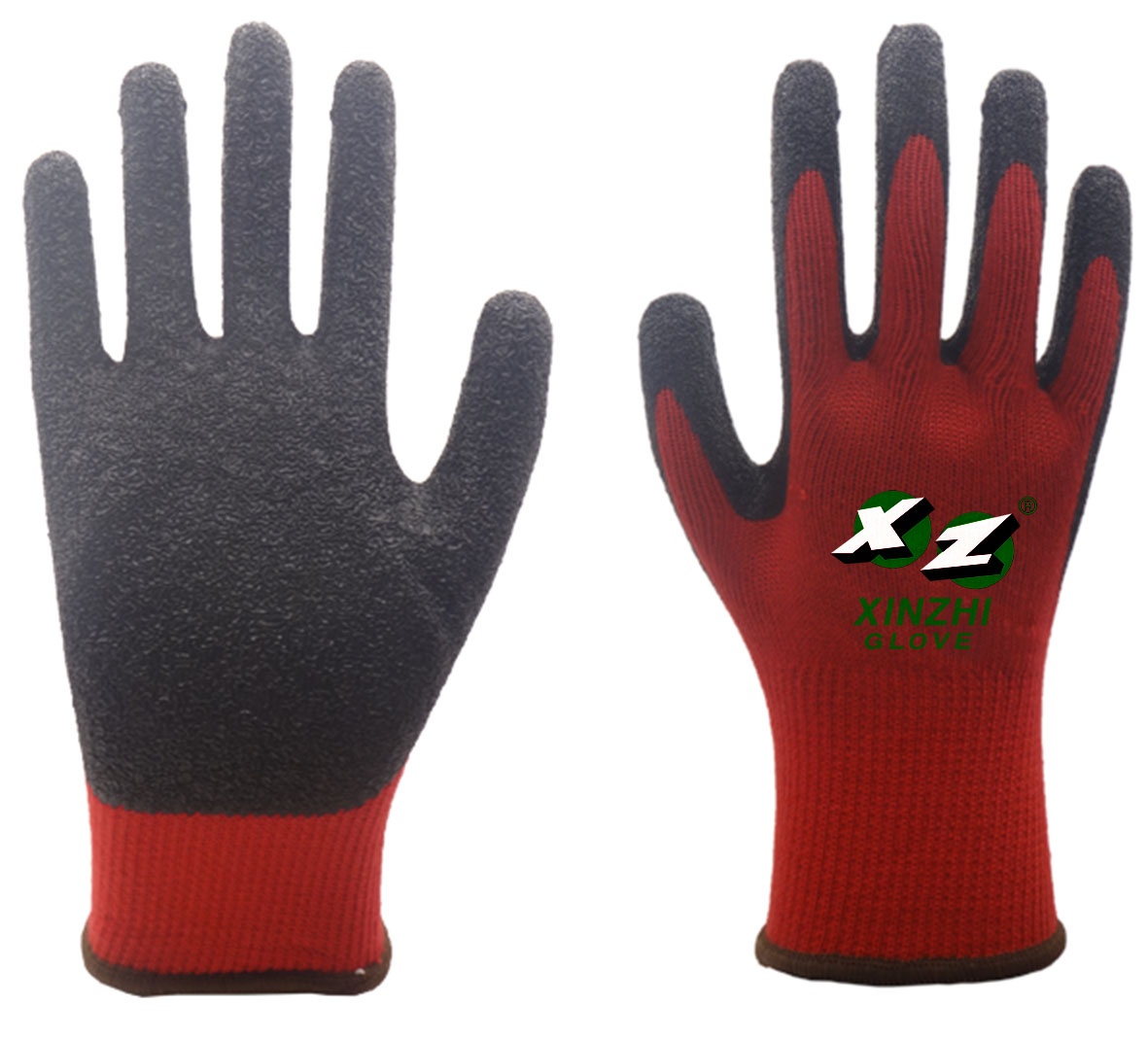
Latex crinkle coating is specifically designed to address this issue. Unlike smooth or flat coatings, the crinkle texture creates an uneven, three-dimensional surface. This surface increases friction by enlarging the contact area between the glove and the object. Even when handling smooth, oily, or slightly damp materials, the glove maintains a reliable grip.
In industrial environments such as warehouses, construction sites, and manufacturing floors, workers frequently shift between different materials. A glove that performs consistently across varied surfaces significantly reduces the likelihood of accidental slippage, making grip control one of the core safety advantages of latex crinkle-coated gloves.
How Latex Crinkle Coating Enhances Friction and Stability
Latex, as a coating material,l is naturally elastic and resilient. When applied in a crinkle pattern, these properties are amplified. The coating flexes and adapts to the shape of the object being handled, rather than resisting it. This adaptability allows the glove to maintain contact even when pressure is uneven or movement is sudden.
The crinkled texture also plays a role in channeling away minor moisture or dust. Instead of forming a smooth layer that becomes slippery, the textured surface breaks contact points, preserving friction. This is particularly important in industrial work where hands may encounter condensation, light oils, or fine particles.
Because the coating is applied primarily to the palm and fingers, it enhances safety exactly where control is needed most, while leaving the back of the glove breathable and flexible.
Material Structure and Its Role in Hand Safety
Safety is not only about grip. A glove that causes discomfort or restricts movement can indirectly increase accident risk by reducing dexterity or causing hand fatigue. Latex crinkle-coated gloves are typically combined with a polyester cotton liner, often in a 10-gauge knit. This structure plays an important supporting role in safety.
The polyester component contributes strength and abrasion resistance, while cotton adds softness and moisture absorption. Together, they create a liner that feels comfortable against the skin and allows for extended wear. When workers are comfortable, they are less likely to remove gloves during tasks, maintaining continuous protection.
The 10G knit structure strikes a balance between thickness and flexibility. It provides enough density to protect the hands from minor abrasions while remaining thin enough to allow precise finger movement. This balance is essential in tasks that require both protection and control, such as assembly work, material handling, and equipment operation.
Reduced Hand Fatigue and Long-Term Safety
Hand fatigue is a hidden safety risk in industrial work. When gloves are too stiff, too thick, or poorly fitted, workers compensate by gripping harder. Over time, this leads to muscle strain, reduced responsiveness, and slower reaction times.
Latex crinkle-coated gloves reduce this risk by providing grip assistance. Because the glove surface itself contributes to friction, workers do not need to apply excessive force to hold objects securely. The elastic nature of latex also allows the glove to move naturally with the hand, reducing resistance during repeated motions.
Over long shifts, this reduction in fatigue helps maintain consistent performance and attention, which are essential components of workplace safety.
Performance Across Dry and Light Wet Conditions
Industrial environments are rarely perfectly dry. Even indoor facilities may involve humidity, condensation, or incidental contact with liquids. Gloves that perform well only in dry conditions can become unreliable when exposed to moisture.
Latex crinkle-coated gloves offer stable performance across both dry and lightly wet conditions. The textured surface maintains friction even when moisture is present, unlike smooth coatings that may become slippery. This reliability is particularly valuable in logistics, maintenance, and outdoor industrial work where conditions can change throughout the day.
By maintaining consistent grip performance, these gloves help prevent sudden slips that could lead to dropped loads or hand injuries.
Key Safety Advantages Summarized
The safety benefits of latex crinkle-coated gloves come from how multiple design elements work together rather than from a single feature.
Main Safety-Related Advantages
-
Enhanced grip through crinkle-textured latex coating
-
Reduced slippage when handling smooth or damp objects
-
Improved hand control with less gripping force
-
Comfortable liner that supports long-term wear
-
Balanced protection and flexibility with a 10G knit structure
Each of these factors contributes to a safer working experience by addressing common causes of industrial hand injuries.
Typical Industrial Applications Where Safety Matters Most
Latex crinkle-coated gloves are widely used in industrial settings where grip reliability and hand comfort are essential. These include:
-
General construction and site work
-
Warehousing and logistics operations
-
Material handling and loading tasks
-
Manufacturing and assembly lines
-
Maintenance and equipment servicing
In these environments, hazards are often repetitive rather than extreme. Gloves that consistently support safe handling play a crucial role in accident prevention.
Comparing Latex Crinkle Coating to Other Common Coatings
To better understand why latex crinkle-coated gloves are considered safer, it is useful to compare them with other common glove coatings.
| Coating Type | Grip Performance | Flexibility | Typical Limitations |
|---|---|---|---|
| Smooth Latex | Moderate | High | Reduced grip on smooth or wet surfaces |
| PU Coating | Light grip | Very high | Limited durability in rough tasks |
| Nitrile Coating | Good oil resistance | Moderate | Less elastic, may feel stiff |
| Latex Crinkle Coating | High | High | Not suitable for latex-sensitive users |
This comparison highlights how latex crinkle coating offers a strong balance of grip and flexibility for general industrial safety.
Safety as a Result of Practical Design
What ultimately makes latex crinkle-coated gloves safer for industrial work is not complexity, but practicality. The design focuses on the most common risks—slipping, fatigue, loss of control—and addresses them through material choice and surface structure.
Rather than relying on thick padding or rigid protection, these gloves enhance natural hand movement while supporting grip stability. This approach aligns well with modern industrial safety practices, which prioritize prevention and ergonomic design.
A Reliable Choice for Everyday Industrial Protection
In industrial environments where hands are constantly in use, safety depends on consistency. Latex crinkle-coated gloves provide predictable performance, reliable grip, and lasting comfort. They do not attempt to solve every hazard, but they significantly reduce everyday risks associated with handling and manual work.
For workers and employers alike, choosing gloves with latex crinkle coating is a practical step toward safer industrial operations—one grounded in material behavior, user comfort, and real-world performance rather than marketing claims.